

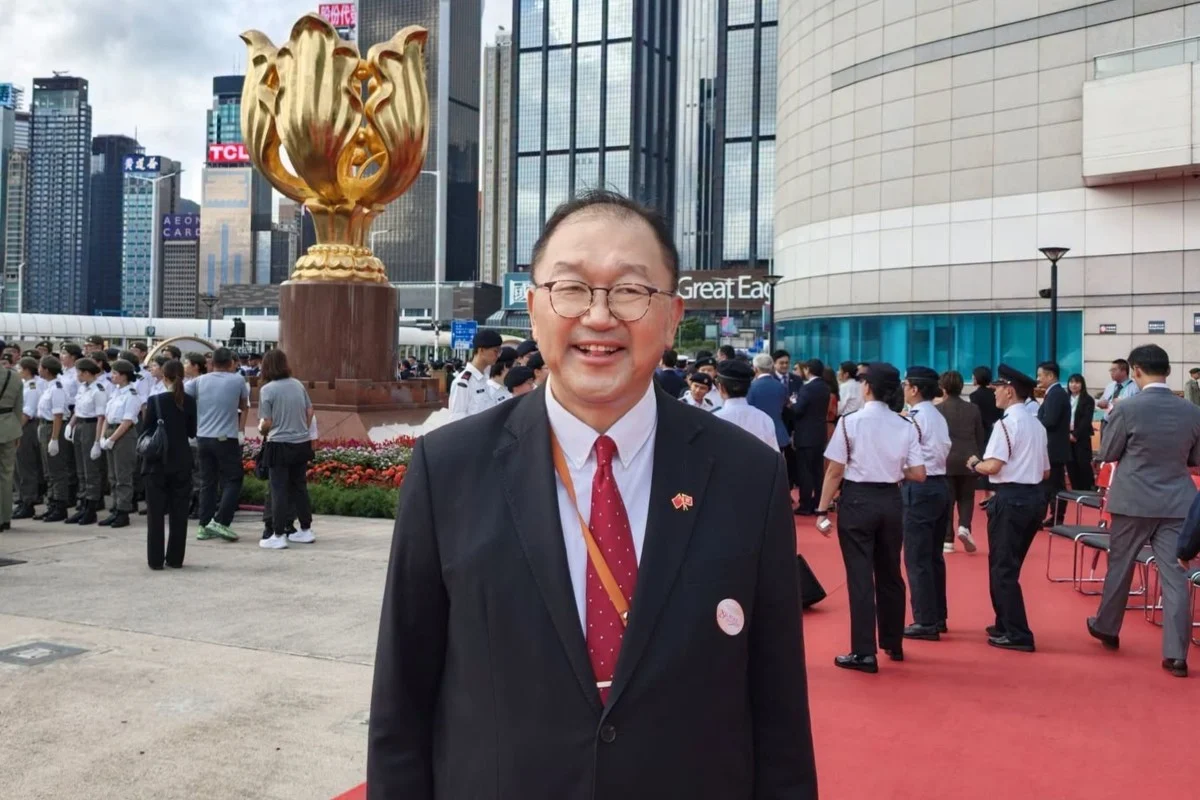
Hong Kong lawmaker William Wong Kam-fai is expected to face an internal investigation after failing to report his recent arrest to the Legislative Council, according to information obtained from sources familiar with the matter.
The case centers on the Legislative Council’s code of conduct, which requires members to inform the council if they are arrested or become involved in legal proceedings. The reported failure to follow this rule could lead to disciplinary action after a formal review.
William Wong, 66, was arrested on Monday night following a traffic incident at the campus of the Chinese University of Hong Kong, where he serves as an associate dean in the Faculty of Engineering.
Authorities said the incident happened after Wong’s vehicle collided with two parked cars on campus. Police later arrested him in connection with the crash.
According to the allegations, Wong is suspected of drink-driving, careless driving, and failing to stop and report the traffic accident. The investigation by law enforcement remains ongoing, and no court has yet ruled on the allegations.
While the police inquiry focuses on the traffic incident, the Legislative Council is expected to examine whether Wong also violated its internal rules by not informing the legislature about his arrest within the required period.
The council’s code of conduct is designed to promote openness, accountability, and public confidence in elected representatives. Members are expected to disclose arrests and other legal matters so the legislature can determine whether additional action is necessary.
Sources indicated that the matter is likely to be referred to the Legislative Council’s committee responsible for handling conduct issues involving lawmakers. The committee will review the available information before deciding whether Wong breached the council’s rules.
If the committee finds that the reporting requirement was not followed, Wong could face disciplinary measures. Depending on the seriousness of the case, possible penalties may include a formal warning, public criticism, or other actions allowed under the council’s procedures.
The internal review is separate from the police investigation. The committee will focus only on whether the council’s reporting rules were followed and will not determine criminal responsibility for the traffic-related allegations.
Public officials are generally expected to meet high standards of conduct because they hold positions of public trust. Rules requiring the disclosure of arrests are intended to ensure transparency and allow legislative bodies to address issues that may affect public confidence.
Wong has served as both a legislator and an academic leader. His work at the Chinese University of Hong Kong has focused on engineering education and research, while his role in the Legislative Council involves participating in lawmaking and public policy discussions.
The reported traffic incident has drawn public attention because it involves a sitting lawmaker and questions about compliance with legislative rules. The outcome of both the police investigation and the council’s internal review may determine what further action, if any, will be taken.
Legal experts note that an arrest does not establish guilt. Criminal allegations must be examined through the legal process, and any charges would need to be considered by the courts before a final judgment is made.
The Legislative Council’s internal procedures also include a review process that allows members to respond to allegations before disciplinary decisions are reached. Any findings are based on the council’s code of conduct rather than criminal law.
The committee is expected to review the circumstances surrounding Wong’s failure to report the arrest and determine whether the reporting requirement was breached. Officials have not announced when the review will begin or when a decision may be made.
As both investigations continue, attention will remain on the legal process and the Legislative Council’s handling of its own ethical standards. The case highlights the importance of transparency and accountability for public officials, while also respecting the principle that allegations must be fairly examined before conclusions are reached.
