

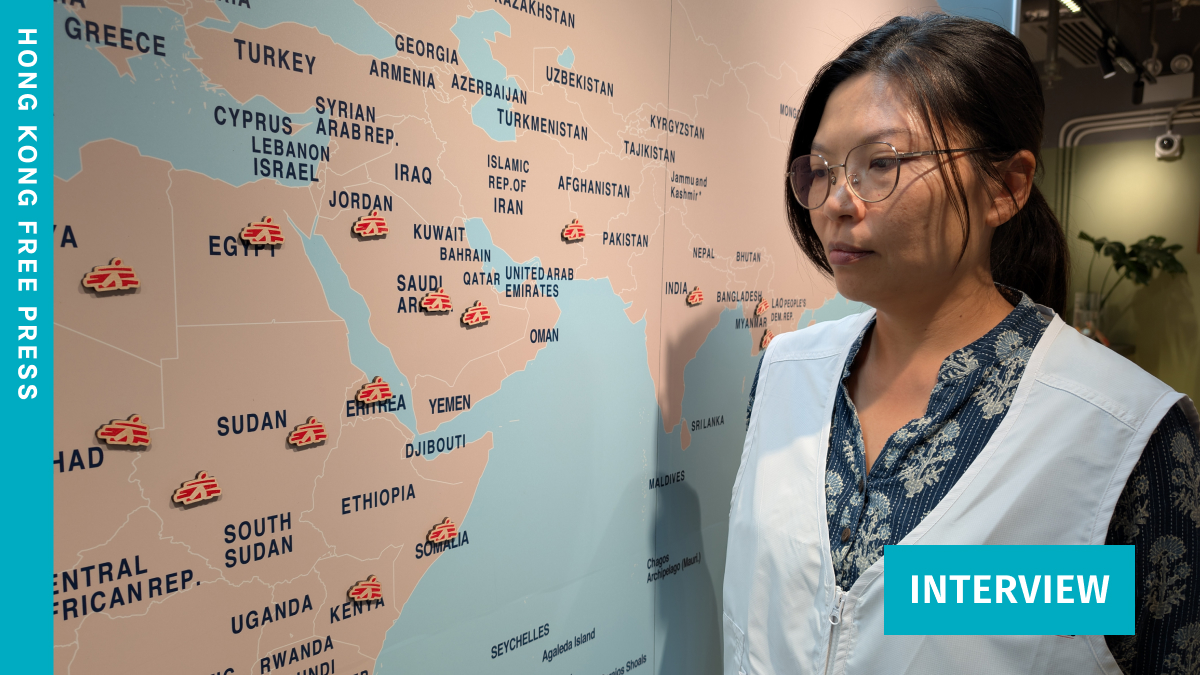
Médecins Sans Frontières (MSF) is sounding the alarm about a disturbing global trend: an escalating number of attacks on healthcare facilities in conflict zones. This warning comes in the wake of a February airstrike on an MSF hospital in Lankien, South Sudan’s Jonglei state, an opposition stronghold. Despite the building clearly displaying MSF’s bright red logo, the attack on February 3 targeted the hospital’s main warehouse, destroying critical supplies. Lucy Lau, an MSF project coordinator, believes the strike was tactical, aiming to cripple healthcare. Fortunately, staff evacuated, though one worker was injured, and the South Sudanese military has been blamed. The team was forced to cut their six-month mission short, highlighting the immediate and severe consequences for humanitarian operations. This incident is set against a backdrop of renewed conflict in South Sudan, where a 2018 peace deal has failed to halt hostilities, leading to thousands of deaths and displacement.
Before the Lankien airstrike, another MSF health facility in Pieri, Jonglei, was looted, indicating a pattern of targeting humanitarian aid. MSF has condemned these acts, emphasizing the unacceptability of becoming a target while trying to address immense needs. In 2025 alone, MSF suffered eight targeted attacks, forcing the closure of two hospitals and suspension of medical activities across several states in South Sudan. The UN has even suggested that a previous aerial bombing of an MSF hospital in Old Fangak could constitute a war crime. Lau notes that such attacks are designed to dismantle healthcare systems in areas controlled by political opponents, causing immense suffering for civilians who are already victims of chronic underfunding in healthcare, with South Sudan’s 2026 budget allocating only 1% to health.
Lau, an engineer by training who has worked in conflict zones like Ukraine and Afghanistan, asserts that the targeting of civilian infrastructure and aid organizations is a “growing trend worldwide.” This isn’t isolated to South Sudan; the World Health Organization recorded over 2,800 attacks on Ukrainian healthcare since Russia’s war began, with 2025 seeing the highest numbers. UN experts have labeled Israel’s actions in Gaza, including hospital bombings, as “medicide,” and the WHO verified more than 20 attacks on healthcare facilities in Iran since March 1 amid ongoing regional tensions. These incidents illustrate a dangerous erosion of international humanitarian law, making it increasingly difficult for organizations like MSF to deliver aid and forcing them to navigate complex ethical dilemmas regarding staff safety versus patient care. MSF’s neutral stance is often questioned by warring factions, and government blockades further restrict access to vulnerable populations.
The aftermath of these attacks is devastating for affected communities. The Lankien airstrike alone displaced tens of thousands of South Sudanese, some fleeing to neighboring countries. The escalating violence means local communities are left without any healthcare in a country where the government’s health budget is almost non-existent. Furthermore, USAID cuts have hampered other international organizations, leaving MSF – which does not accept US funding – as one of the few NGOs providing essential healthcare. Despite the inherent dangers and the shrinking space for their work, MSF teams remain committed. Since late February, they have scaled up support for displaced people, providing thousands of consultations. Healthcare workers, often enduring the civil war their entire lives, continue to feel a profound responsibility to their patients, exemplifying a “classic dilemma” between personal safety and the unwavering duty to save lives. While MSF cannot end wars, their impact on individual lives remains paramount.
