

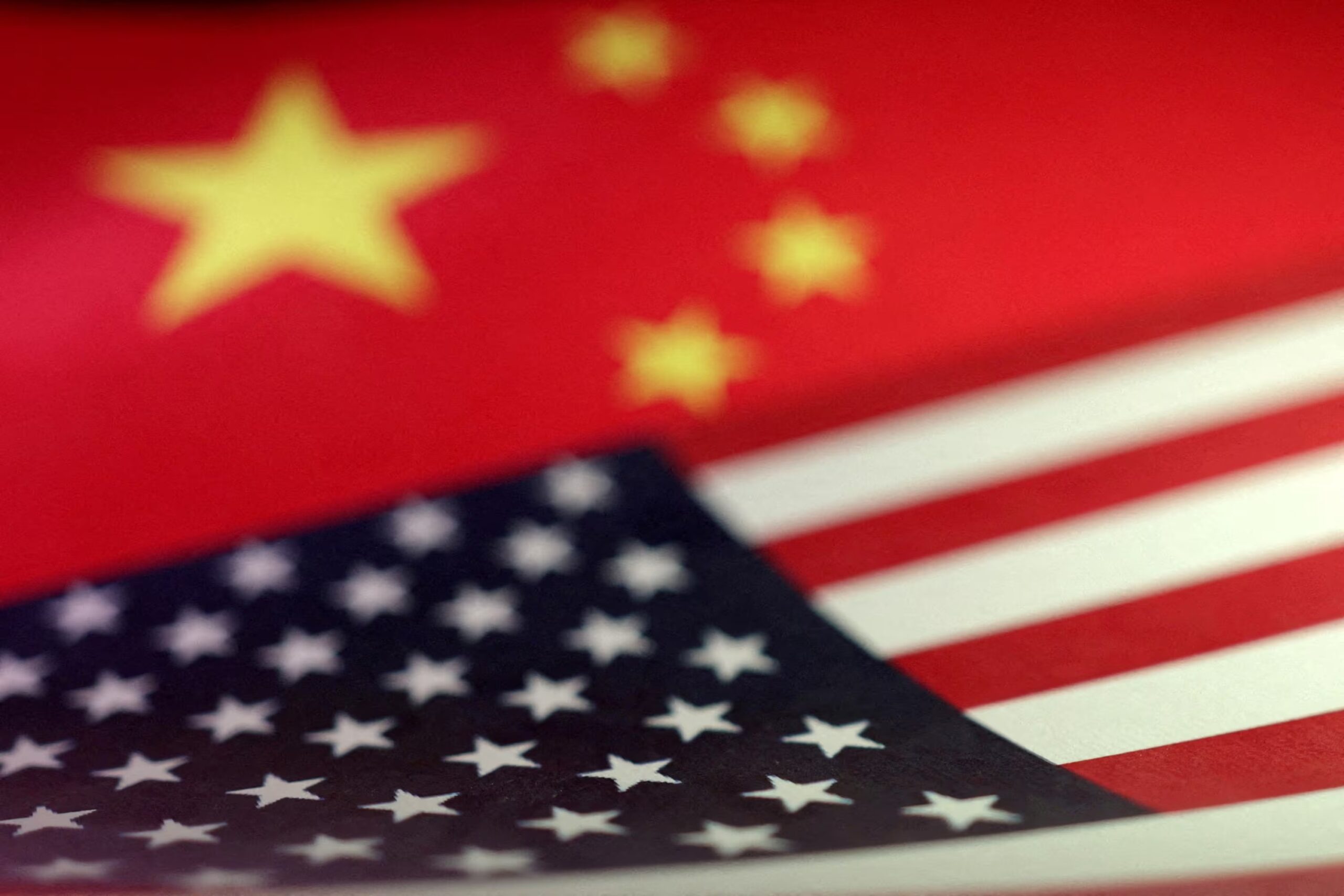
The United States is preparing a firm message for its global partners. Washington plans to tell dozens of nations that they must pick a side in the growing artificial intelligence race. The push directly targets China as both superpowers compete for global control over future technology.
A draft letter from the State Department outlines this new policy direction. According to a senior official, countries must align with Washington or face removal from its key tech group. The goal is to build a tight alliance that limits Beijing’s reach in critical markets.
Last year, the US launched a major program named Pax Silica. The initiative works to protect supply chains for advanced AI tools, chip production, and critical minerals. Control over these materials is vital for both military power and future economic growth.
So far, about two dozen countries have signed on to the Pax Silica framework. The group includes top US allies like Japan, Australia, and South Korea. However, it also includes nations like Kazakhstan, which holds rich deposits of critical minerals needed for advanced electronics.
Tensions grew after China introduced its own global tech coalition. Chinese President Xi Jinping unveiled the group to promote open tech frameworks and counter Western dominance. Kazakhstan soon joined the Chinese initiative while remaining part of the US agreement.
That double membership raised quick red flags inside Washington. US leaders want clear commitments rather than vague promises from partner nations. The new draft letter targets signatories of a recent joint statement who wish to work closely with American tech firms.
The draft letter makes the American position very clear to all members. It states that joining Pax Silica requires real commitment rather than just a signature on paper. Nations cannot maintain membership in rival groups that conflict with American goals.
By forcing a choice, the US aims to limit the flow of key resources to China. Washington fears that Chinese advances in intelligence tools could shift the global balance of power. Restricting access to mineral supplies and chip networks remains a top priority for American planners.
The draft letter does not mention China by name, but its target is obvious to all readers. American officials want to draw a clear line between the two competing tech blocs. Nations that try to balance both sides may soon find themselves locked out of top US projects.
It remains unclear when the State Department will send the final letter to foreign governments. The document reviewed by reporters was undated and could see small edits before delivery. However, the overall message marks a bold step in the global contest for tech leadership.
