

Washington is set to ask dozens of countries to choose between US and Chinese artificial intelligence groups.
The move could deepen the global split over AI. It could also put pressure on countries that work with both sides.
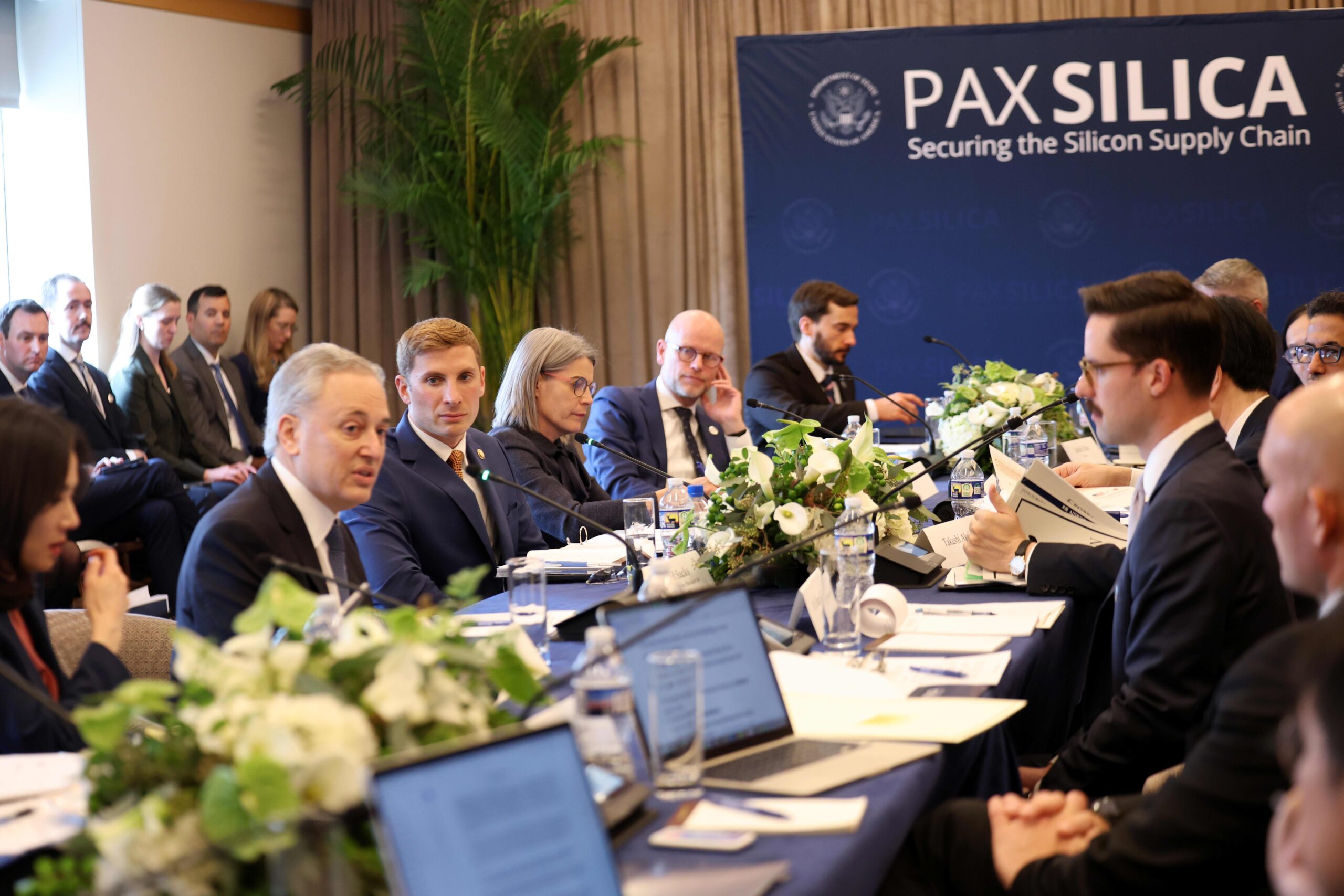
A draft letter from the US State Department says countries that join a China led AI group may be left out of the US led Pax Silica group. The draft was reviewed by Reuters. A US official also confirmed the plan.
The letter is aimed at 35 countries. These nations signed a US AI statement in June. Some are also part of Pax Silica.
Pax Silica was launched to build safer supply chains for AI. The plan covers AI models, computer chips and key minerals. It also aims to cut the need for supplies from rival states.
About two dozen countries have joined Pax Silica. They include Japan, Australia and South Korea. Kazakhstan is also a member.
Kazakhstan has drawn special attention in Washington. It has joined both the US group and the new China led AI group.
The draft letter says countries must make a clear choice. It says Pax Silica is more than a simple membership. It is a commitment to work with the US on key technology and supply chains.
The letter does not name China. But it warns against joining groups that have goals that clash with Pax Silica.
The US has not said when it will send the letter. It may also change the draft before it is sent.
The State Department declined to comment on leaked internal papers.
China has pushed back against efforts to split the global AI market. Its embassy in Washington said trade and technology should not be turned into political tools. It warned that such moves could slow AI progress around the world.
The pressure comes as the US and China compete for AI leadership.
China has made fast progress in open AI models. US firms such as OpenAI and Anthropic still play a major role in the global AI market. But Chinese firms have narrowed the gap in some areas.
China also wants a larger role in global AI rules.
In July, Chinese President Xi Jinping announced the World Artificial Intelligence Cooperation Organization. Twenty nine countries signed the deal to create the group. Its main goal is to support AI cooperation and global AI rules.
Xi has called for more open AI ties. He has also urged countries to work together on safety, rules and AI standards. China says AI should benefit more countries, not just a few major powers.
China is also offering AI help to developing nations. Xi said China will provide 5,000 AI training and seminar places over the next five years. China also plans AI cooperation centers with groups such as ASEAN, BRICS and the African Union.
The US sees the race in a different way. It wants close partners to build a trusted technology network. It also wants better control of key supplies used to build advanced AI systems.
Critical minerals are a major part of this plan. These materials are needed for many advanced technologies. Kazakhstan has large mineral reserves, making its role important to both the US and China.
The US also wants to limit China’s access to key resources and technology. Washington sees advanced AI as a tool that could bring major economic and military power.
For many countries, the choice may be hard.
Some nations want strong ties with the US. Others want access to China’s AI tools, markets and technology. Many may prefer to work with both sides.
The new US message could make that path harder.
The dispute is now about more than AI models. It also covers chips, minerals, trade, data and global technology rules.
The US and China are building rival networks around a technology that is changing very fast. Countries that have tried to stay between the two powers may now face more pressure to choose.
For Washington, the goal is clear. It wants trusted partners to stay inside its AI supply network.
For Beijing, the goal is also growing clear. It wants more countries to support its vision for global AI cooperation.
The result could shape how AI is built, shared and governed for years to come.
