

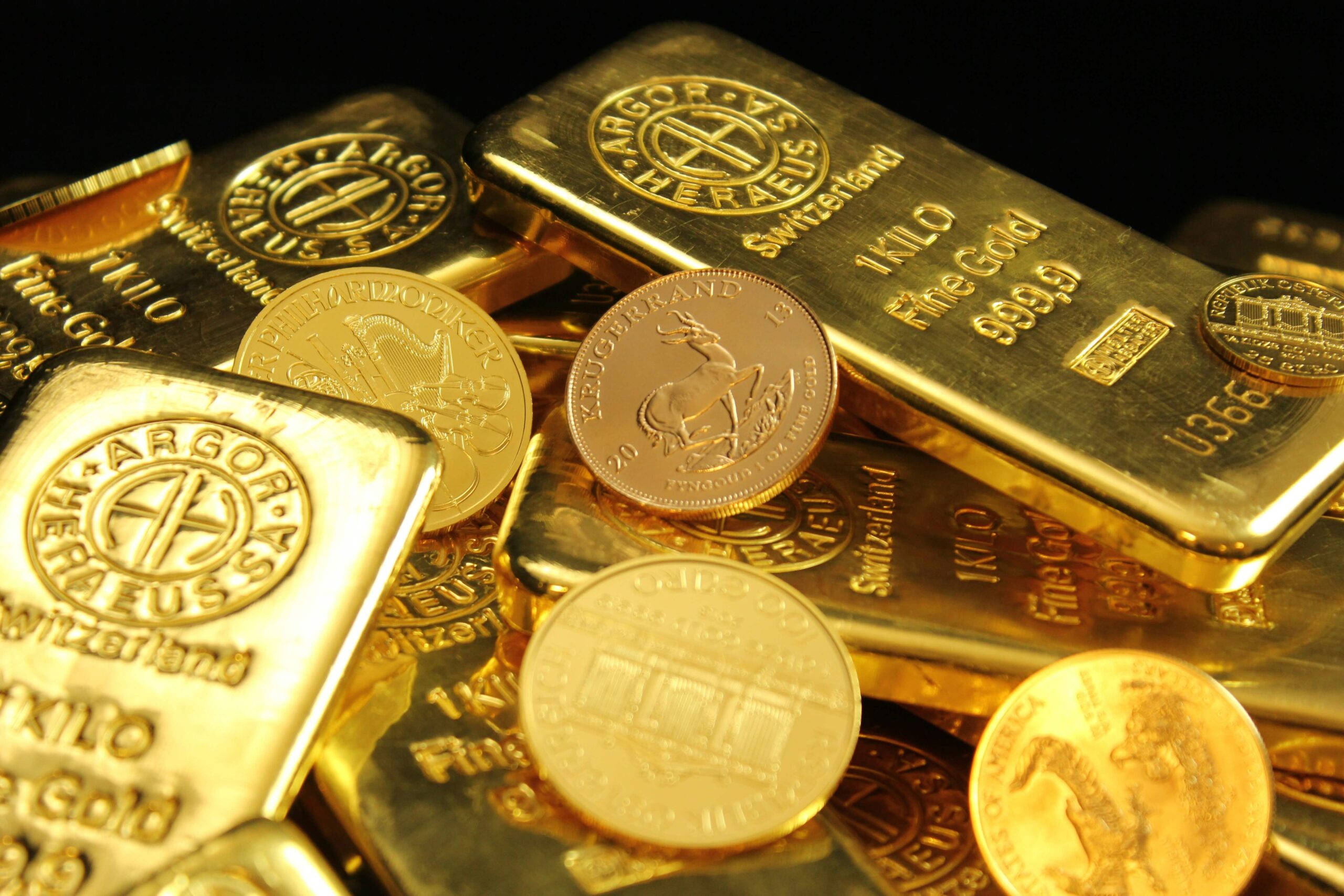
Poland’s central bank has quietly built one of Europe’s largest gold stockpiles, lifting its bullion reserves to around 550 tonnes, worth more than €63 billion. For years, National Bank of Poland (NBP) president Adam Glapiński has argued that gold plays a crucial role in safeguarding the country’s financial stability, and recent moves show that belief is shaping policy in a big way.
A Rapid Shift in Reserve Strategy
Gold now makes up a far larger share of Poland’s foreign exchange reserves than it did just a year ago. In 2024, bullion accounted for about 16.9% of reserves. By the end of December 2025, that figure had surged to more than 28%, one of the fastest shifts seen among central banks worldwide.
Most of the purchases were made in late 2025, at a time of heightened market volatility and geopolitical tension. Gold’s appeal lies in its independence from the monetary policies of other countries, its lack of credit risk and its ability to hold value during financial shocks. According to Glapiński, strong gold reserves also help underpin confidence in the wider Polish economy.
The ambitions do not stop there. The NBP is targeting 700 tonnes of gold, with total bullion holdings valued at around PLN 400 billion (€94 billion). Glapiński confirmed earlier this year that he intends to push for formal approval to keep increasing reserves.
Part of a Global Central Bank Trend
Poland’s gold buying spree reflects a broader global pattern. The World Gold Council reports that 2025 saw central banks continue to add to their gold holdings, viewing bullion as a strategic hedge against currency instability and financial crises. Almost all central banks surveyed expect global gold reserves to grow further over the next year.
Marta Bassani-Prusik from the Mint of Poland says gold’s independence from monetary policy and credit risk makes it especially attractive. Diversification is another key factor, allowing countries to reduce their reliance on the dollar and other major currencies.
Some experts believe official figures may not tell the whole story, noting that not all central banks fully disclose their purchases. China and Russia are often mentioned in this context, with some analysts suggesting these moves could point to a future financial system where gold plays a much bigger role.
Outpacing the ECB as Prices Hit Records
Poland now holds more gold than the European Central Bank, whose reserves stand at about 506.5 tonnes. While the ECB sets monetary policy for the eurozone, gold ownership largely sits with national central banks, making Poland’s position particularly notable within Europe’s financial landscape.
Critics argue that the money spent on gold could have been invested in bonds or other assets that generate interest. Gold, after all, does not provide regular income. Yet the timing of Poland’s purchases has coincided with record-high gold prices, and forecasts for 2026 remain bullish. Major banks predict average prices ranging from around $4,150 to as high as $5,300 per ounce under strong demand scenarios.
For the NBP, gold is less about short-term returns and more about long-term security. As geopolitical tensions rise and the global financial order continues to evolve, Poland appears determined to keep gold at the heart of its economic defence strategy — and its buying may not be finished yet.
