

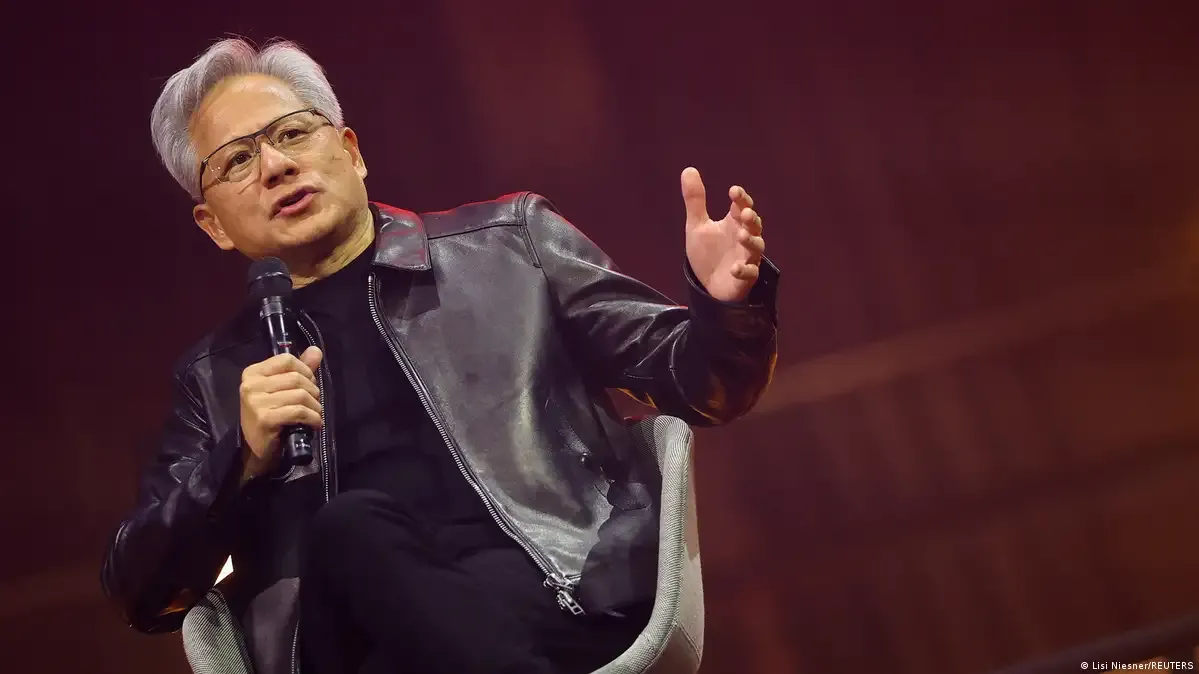
Nvidia has launched an investigation into claims that its chief executive, Jensen Huang, was targeted by foreign intelligence efforts. The US technology company said on Sunday that independent directors would oversee the review with help from outside legal advisers.
The move follows media reports that American intelligence agencies shared information about Huang’s private life and possible links to a suspected Chinese intelligence operation. The reports said a Chinese woman with whom Huang allegedly had an affair had been recruited by China’s Ministry of State Security.
The reports named the woman as Alice Huang, an executive at Singapore-based company Megaspeed. US authorities are also investigating the company over suspicions that it helped China obtain advanced artificial intelligence chips despite American export controls.
According to reports, Megaspeed purchased Nvidia chips worth billions of dollars over the past two years. The alleged purchases have drawn attention because Washington has placed limits on China’s access to some of the most advanced computer chips made by US companies.
The investigation into Megaspeed and the claims involving Huang have raised questions about possible risks to national security and the protection of sensitive business information. However, Nvidia’s board said it had no reason to believe that either national security interests or the company’s secrets had been harmed.
The board said a committee made up of independent directors would lead the investigation. Outside independent legal counsel will assist the group as it reviews the claims.
Huang has agreed to cooperate with the process and has expressed support for the review. The board also confirmed that he would remain in his role as chief executive while the investigation continues.
The company did not announce a timetable for the probe or provide details about the evidence that would be examined. It also did not say whether the review would focus only on the reported intelligence effort or include wider questions about company security.
Huang addressed Nvidia employees in an email on Sunday. He admitted that he had been unfaithful to his wife of 40 years and apologised for the effect of his actions on his family.
“My actions hurt her and our children,” Huang wrote. He added that there was no excuse for his behaviour and said he was deeply sorry.
The Nvidia chief also said he remained committed to protecting the company and supporting US national security. His comments came as the board sought to address concerns raised by the reports while making clear that the company had not found evidence of a security breach.
The reports have also drawn the attention of US lawmakers. Members of Congress have invited Huang to brief them on the claims and the wider questions surrounding the case. The meeting could give lawmakers an opportunity to ask about the company’s security measures and its exposure to risks linked to foreign intelligence activity.
Huang, 63, was born in Taipei and spent part of his childhood in Taiwan before moving to the United States. He co-founded Nvidia in 1993 with two other people. The company first became widely known for making graphics cards used in computers and video games.
Nvidia later moved into a much larger role in the global technology industry. Its chips became central to the development and operation of artificial intelligence systems. Demand for these products has helped turn the company into one of the world’s most valuable businesses.
The growth of the AI industry has also placed Nvidia at the centre of wider tensions between Washington and Beijing. US export rules aim to limit China’s access to advanced technology that could support military and strategic development. Nvidia has faced growing pressure to balance access to global markets with the rules set by the US government.
Huang is also among the world’s wealthiest people. Forbes estimated his net worth at $162.2 billion on Sunday, placing him close to investor Warren Buffett.
The board’s investigation now comes at a sensitive time for Nvidia. The company has a major role in the global AI supply chain, while its products remain part of a wider debate over technology competition and national security.
For now, Nvidia says it has found no reason to believe that its secrets or national security information were compromised. The independent review is expected to examine the claims and assess whether any threat to the company or its operations took place.
