

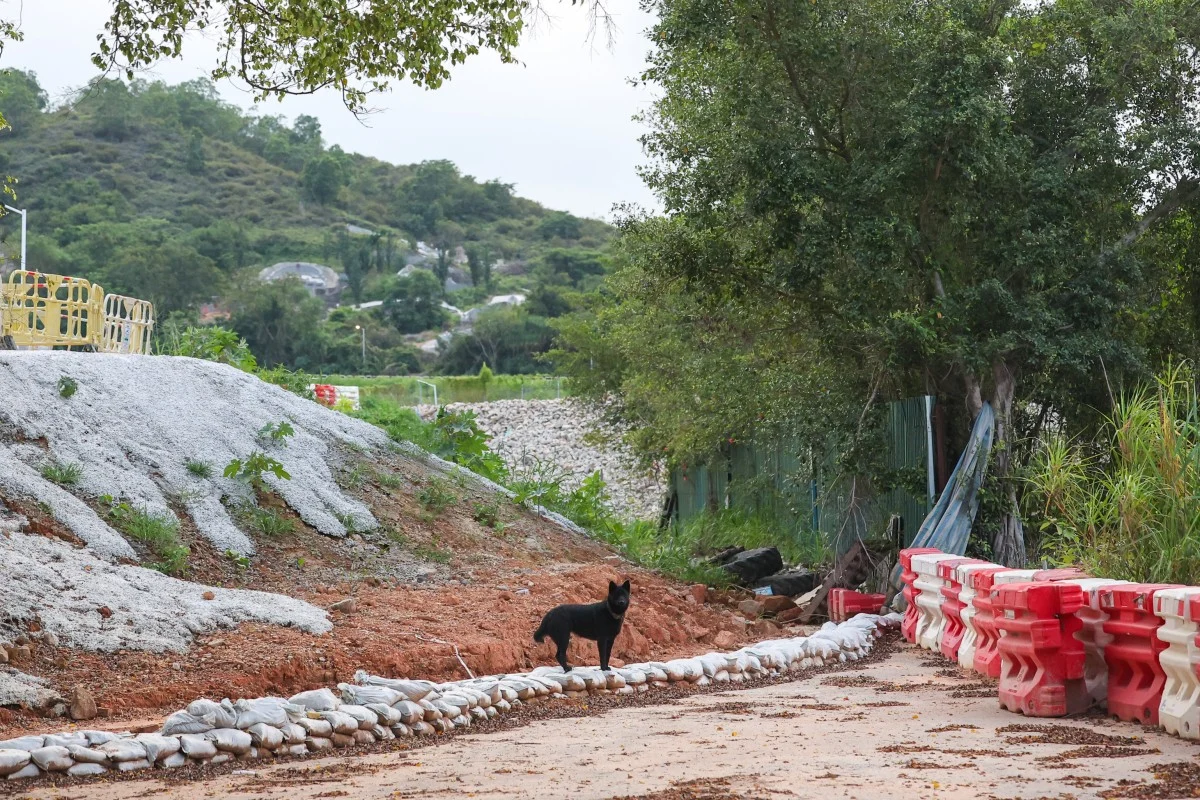
Animal welfare groups in Hong Kong say more pets and stray animals are being abandoned as land clearance continues for the Northern Metropolis development project.
Veterinary clinics and animal shelters have reported a growing number of injured and homeless animals arriving from areas affected by the large-scale redevelopment in the New Territories.
One veterinary clinic operated by an animal welfare organization in Fo Tan, located in Hong Kong’s Sha Tin district, has become a long-term home for many rescued animals. Three-legged dogs, one-eyed cats, and other animals with serious injuries now live at the center because they have nowhere else to go.
Staff members say many of the animals have remained at the clinic for long periods while waiting for adoption or continued medical care.
Although the animals suffer from different injuries or illnesses, many share a similar story. Animal welfare workers believe they were left behind as residents and businesses moved out before government land clearance deadlines.
The issue has become more visible as the Northern Metropolis project moves forward.
The Northern Metropolis is one of Hong Kong’s largest development plans. The government aims to transform about 30,000 hectares of land into a new center for housing, technology, industry, and economic growth.
The project is expected to provide new homes, improve transport links, and create more business opportunities across the northern part of Hong Kong.
To make room for the development, authorities have resumed land in several parts of the New Territories. The process has required many residents, farmers, and business operators to leave affected properties.
Animal welfare organizations say some owners have been unable or unwilling to relocate with their animals. As a result, rescue groups have seen more abandoned pets and farm animals needing food, shelter, and medical treatment.
Rescue organizations say caring for these animals requires significant time, space, and financial resources. Many shelters are already operating near capacity and face increasing pressure as more animals are brought in.
Veterinarians continue to provide treatment for animals suffering from injuries, illness, or poor health after being abandoned.
Animal welfare advocates have called for stronger planning and support measures during future land clearance operations. They say better coordination could help reduce the number of animals left behind during redevelopment projects.
Some groups have suggested providing additional relocation support for pet owners, expanding rescue efforts before clearance deadlines, and increasing public awareness about responsible pet ownership.
The Hong Kong government has promoted the Northern Metropolis as a key project for the city’s long-term development. Officials say the initiative will help address housing demand, strengthen innovation industries, and support economic growth.
At the same time, animal welfare organizations hope greater attention will be given to the needs of pets and other animals affected by redevelopment.
They say cooperation between government agencies, property owners, rescue groups, and local communities could help protect more animals during future relocation efforts.
As construction and land clearance continue, rescue centers expect the number of abandoned animals to remain high. Animal welfare groups say ongoing support from volunteers, donors, and adopters will play an important role in helping these animals recover and find permanent homes.
