

Hong Kong has recorded its largest trade deficit since 1952, driven by a sharp rise in imports linked to the global artificial intelligence boom and ongoing geopolitical disruptions. The Hong Kong trade deficit widened as imports surged at their fastest pace in decades, reflecting strong demand for technology products and rising global costs.
Government data shows imports jumped more than 41% in March compared to the same period last year. This increase is the strongest in over 30 years. At the same time, exports also grew, but not enough to offset the import surge. As a result, the city posted a trade deficit of HK$89.1 billion, equal to about US$11.4 billion. This is the highest level recorded since official data began in 1952.
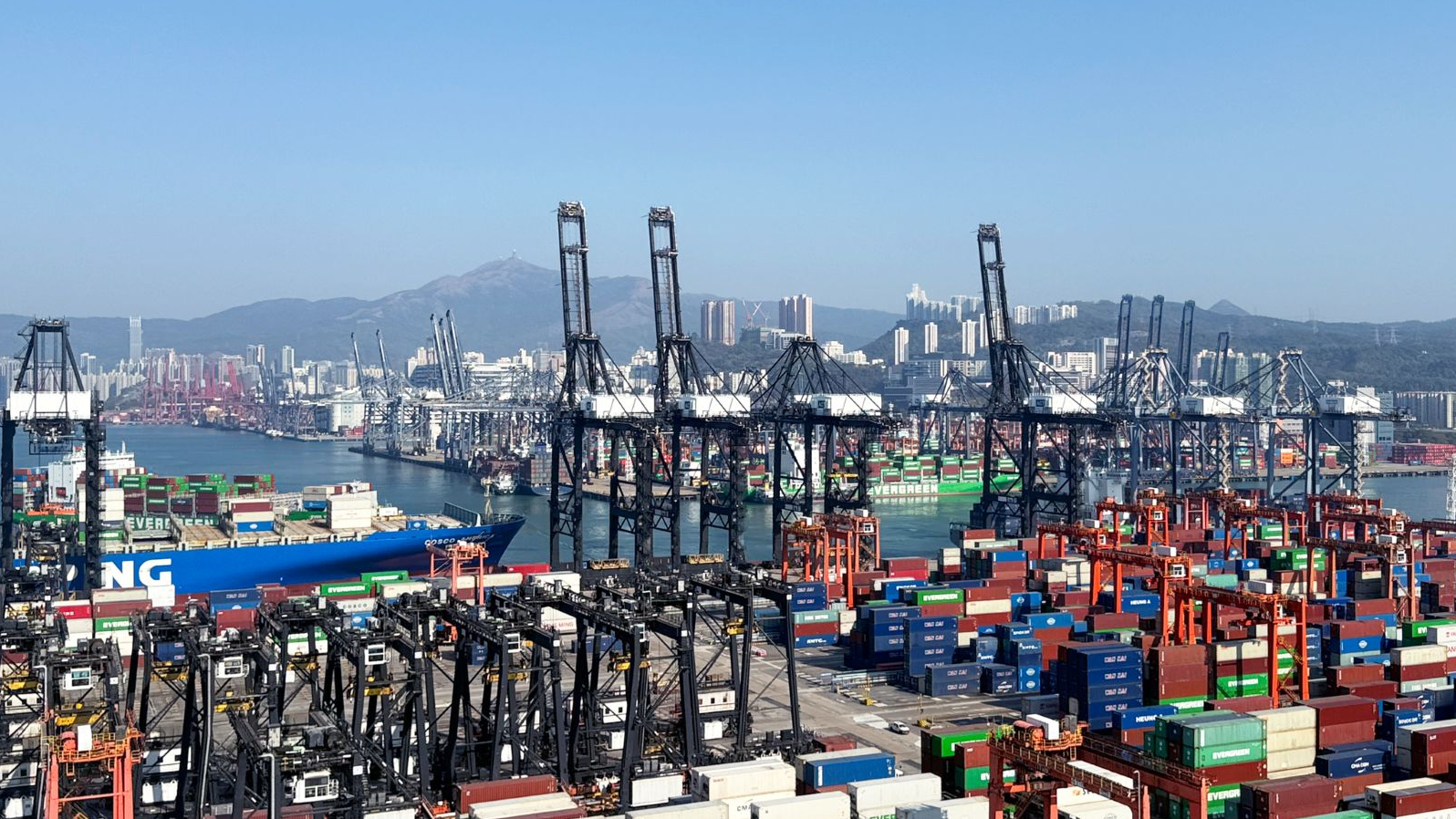
Hong Kong plays a key role as a global trading hub. It acts as a major gateway for goods moving into mainland China and other Asian markets. A large share of imported goods is re-exported after processing or distribution. This makes the city highly sensitive to global supply chain changes and demand cycles.
A major factor behind the Hong Kong trade deficit is the global AI investment boom. Companies around the world are heavily investing in artificial intelligence systems, data centres, and advanced computing infrastructure. This has led to strong demand for semiconductors, memory chips, and electronic components.
Imports of electrical machinery and parts increased by around 50%. Telecommunications equipment imports rose by 93%, showing strong demand for digital infrastructure. These products are essential for AI development and cloud computing systems.
At the same time, geopolitical tensions have also affected trade flows. Disruptions linked to conflicts in the Middle East have influenced energy markets and shipping routes. Hong Kong, which imports nearly all of its energy needs, has been impacted by higher fuel costs and global price volatility.
Imports of petroleum and related products rose by 81% in value terms. Non-ferrous metal imports surged by more than 400%, reflecting both higher global prices and increased demand from industrial sectors.
Experts say part of the trade imbalance is also driven by stockpiling. Many companies are purchasing large volumes of goods in advance due to concerns about future price increases. This includes AI-related hardware and industrial materials.
Economists note that rising global chip prices have also inflated trade values. As semiconductor demand grows, prices for advanced components have increased, pushing import values higher even when physical volumes remain stable.
Mainland China remains Hong Kong’s largest trading partner, accounting for more than half of total merchandise trade. Trade between Hong Kong and China grew strongly in the first quarter of 2026, with imports and exports both rising by more than 30% to 40%. This reflects strong regional integration in supply chains, especially in technology sectors.
Exports from Hong Kong also grew significantly in March, rising by nearly 36%. Shipments to the United States increased sharply as well, showing strong global demand for Asian electronics and re-exported goods.
Analysts say the surge in trade is closely linked to the global AI supply chain. China, Taiwan, and South Korea have all reported strong export growth in recent months due to rising demand for AI-related components. These countries supply a large share of the world’s advanced chips and electronics.
Despite strong export growth, Hong Kong’s import surge has been much faster, creating a widening trade gap. Some economists say this reflects Hong Kong’s role as a transit hub rather than a final production center.
Energy dependence is another key factor. Because Hong Kong imports almost all of its energy, it is highly exposed to global oil price changes. Any disruption in supply routes can quickly affect costs and trade balances.
Officials have warned that ongoing tensions in the Middle East and higher energy prices could continue to create risks for global trade. Supply chain disruptions may also persist if geopolitical instability continues.
However, analysts remain optimistic about Hong Kong’s export outlook. Strong global demand for AI-related products is expected to support trade activity in the coming months. Semiconductor demand, in particular, is likely to remain high as AI investment continues worldwide.
The record Hong Kong trade deficit highlights how global technology growth and geopolitical risks are reshaping international trade flows. As AI expansion accelerates, cities like Hong Kong are experiencing both strong demand and rising import pressure at the same time.
