

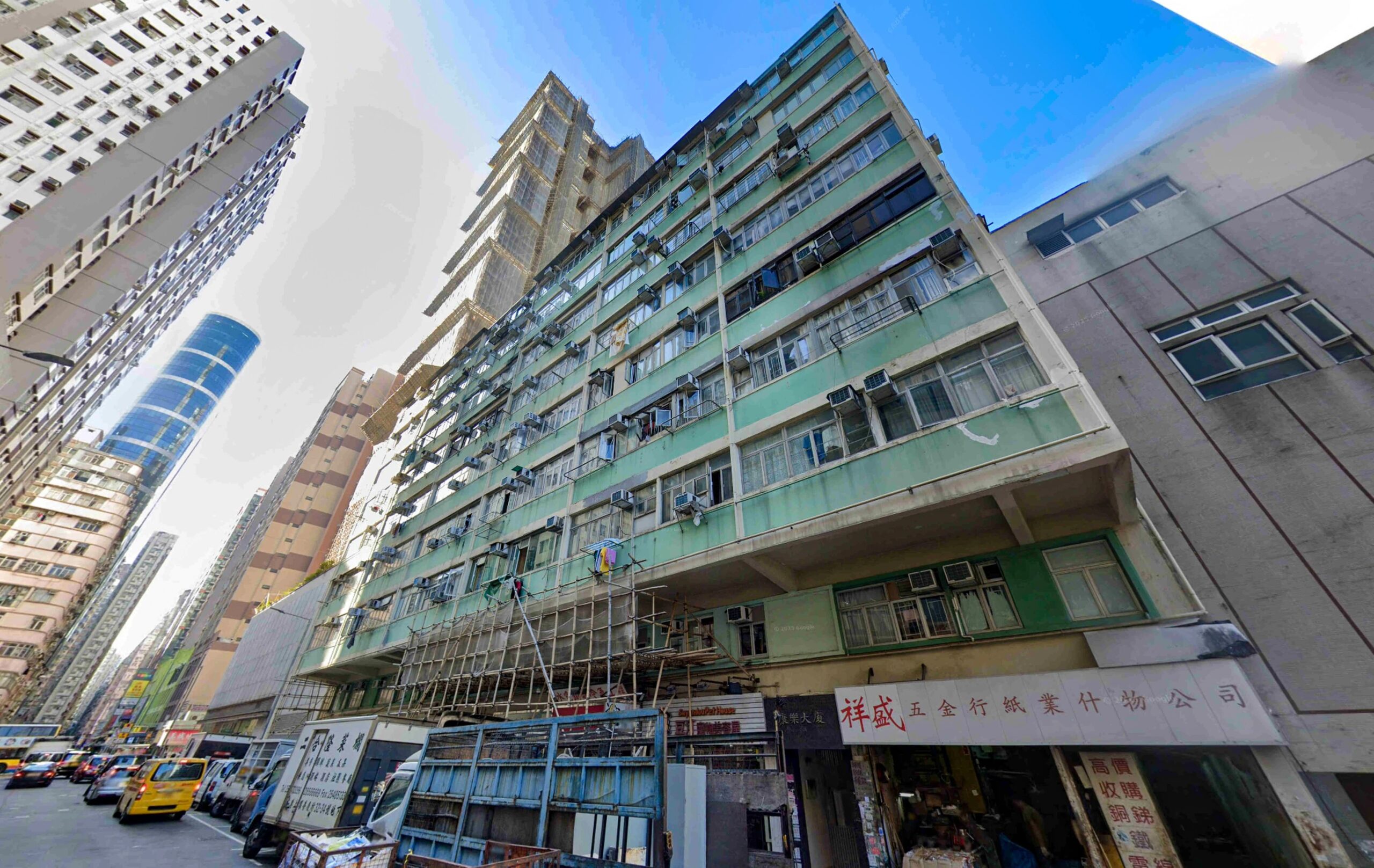
A Macau developer has put a North Point redevelopment site up for sale for HK$1.2 billion, or about US$153 million. The move shows the hard task of urban renewal in Hong Kong.
The site at 77-87 Marble Road covers about 7,680 square feet. It can be used for homes, shops, a hotel or student housing.
Cushman & Wakefield is handling the sale. Buyers can submit their interest by September 28.
The site is owned by a group led by Excellent Group, based on Land Registry records. Companies Registry records name Lo Shing-chung as a director. He is also the founder of Macau-based Excellent Group.
The North Point site was the group’s first major project in Hong Kong. The company entered the city’s market in 2018.
The group spent years buying units in the three-block site. The buildings are about 61 years old.
In July 2025, the group secured a compulsory-sale order. It then won the site at a reserve price of HK$600 million. No other buyer took part in the sale.
However, the full cost of the project was much higher. Market sources said the group spent more than HK$800 million buying units. It also faced years of loan and financing costs.
The HK$1.2 billion asking price is therefore not seen as a large profit target. Market sources said it mainly covers the group’s costs.
The project also faced weak development returns. Lo had said the group first planned to build homes on the site. But he expected the project to lose between 20% and 30% because costs were too high.
He said the group decided to complete the purchase because the project had already taken many years. Continuing to wait would have led to even higher financing costs.
Selling a site after buying all or most of its units is unusual in Hong Kong. Developers often seek to rebuild such sites after gaining control.
Selena Lam, director of valuation and advisory services at Colliers Hong Kong, said such sales were rare after a site had been consolidated.
The case also highlights the limits of Hong Kong’s efforts to speed up urban renewal. The government lowered the ownership level needed for some compulsory sales to as little as 65% in 2024.
The change was meant to help developers bring old buildings together and rebuild them. Yet owning enough units is only one part of the process.
Alkan Au, head of value and risk management at JLL in Hong Kong, said developers remain careful despite better market sentiment.
Developers now favor projects with clear returns, larger scale and shorter timelines, Au said. Many also prefer government land sales and other sites where the development schedule is easier to predict.
Even after reaching the required ownership level, a developer may need 18 months to two years to gain full control of a site, Au said.
Long waits can add major financing costs. They can also increase the risk that market prices will change before construction starts.
Still, the outlook for redevelopment has improved in some areas.
Lam said building and financing costs had stayed fairly stable over the past year. At the same time, sentiment in Hong Kong’s housing market has improved.
This has helped create new interest in old buildings that can be rebuilt at a profit.
Developers still see value in some older sites, Lam said. The key is whether the increase in property value can cover the cost of buying, financing and rebuilding the site.
The North Point sale shows that better market sentiment alone may not be enough. For private developers, the timing, cost and size of a redevelopment project remain major factors.
For the Macau developer, selling the Marble Road site may offer a way to limit further costs after years of investment. For Hong Kong, the case highlights the challenge of turning old urban areas into new ones while keeping projects financially viable.
