

Hong Kong health authorities are taking a careful and controlled approach to the global hantavirus situation linked to a cruise ship outbreak in the Atlantic. Officials say the city is acting early to reduce any possible health risks while avoiding public panic.
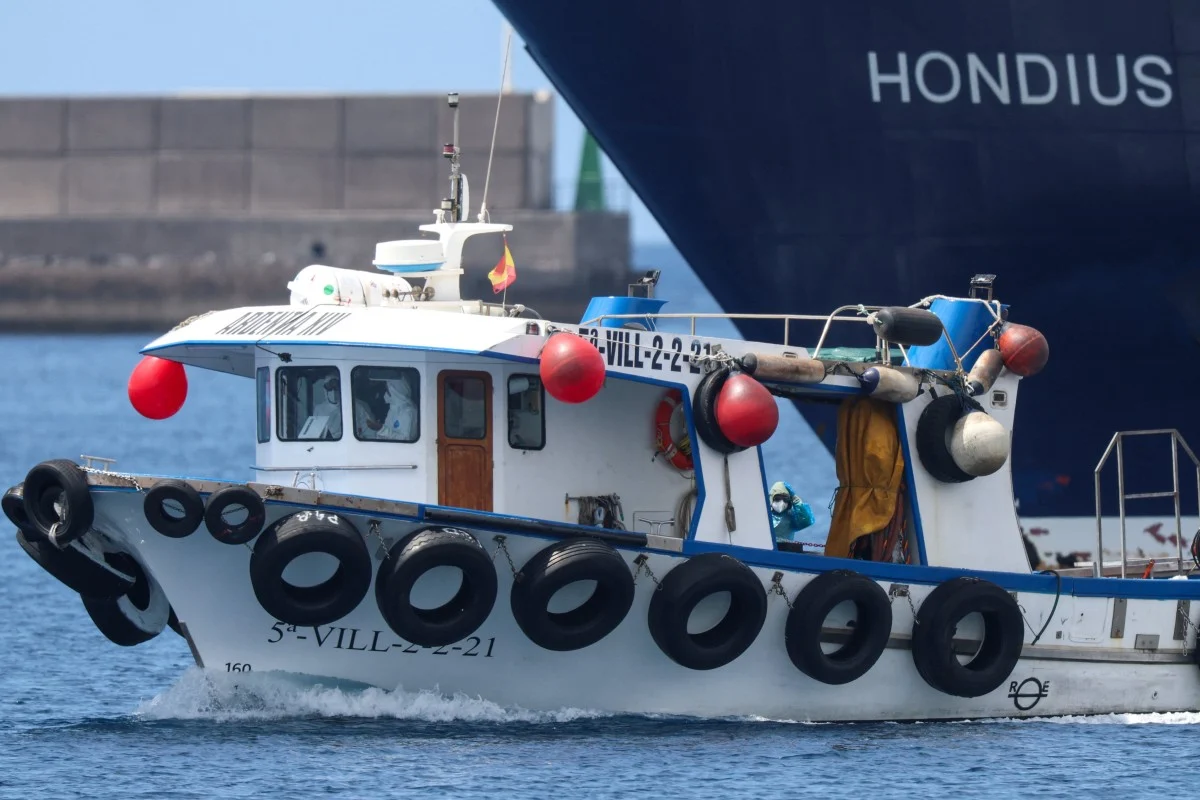
The concern began after a deadly outbreak was reported on the MV Hondius cruise ship, which traveled from Argentina and later docked in Europe. Several passengers were infected, and multiple deaths were confirmed. The incident raised global attention because some cases were linked to possible human-to-human transmission.
The situation has drawn concern in many places, including densely populated cities like Hong Kong. Authorities in the city say they are closely monitoring developments due to past experiences with infectious disease outbreaks such as SARS and COVID-19.
Hong Kong’s Centre for Health Protection said it is taking a “proactive and precautionary” approach. Officials explained that this means they are preparing early, even though no local cases have been confirmed.
Health experts have identified the virus strain involved in the outbreak as the Andes genotype. This form of hantavirus is the only type known to spread between humans in rare cases. Most other hantaviruses spread mainly through contact with infected rodents.
The virus is usually transmitted through exposure to rodent urine, saliva, or droppings. Human infection typically occurs in areas where people come into close contact with contaminated environments. Officials say this is why sanitation and hygiene measures are important.
Dr Edwin Tsui Lok-kin, controller of the Centre for Health Protection, said the city is treating the situation seriously. He confirmed that airports, travel companies, and border control services have been informed about the outbreak.
According to Dr Tsui, health authorities have shared updated guidelines on rodent control and hygiene practices. These measures are being reinforced at airports and other entry points to reduce any potential risk of importation.
The Airport Authority has also been instructed to increase monitoring procedures. This includes closer checks on hygiene standards and improved communication with travel operators. Officials say these steps are part of routine preparedness for infectious disease risks.
Although the outbreak originated far from Hong Kong, global travel connections have raised concerns about how quickly diseases can spread internationally. Health officials say this is why early warning systems are important.
Experts in infectious diseases say Hong Kong’s response is consistent with lessons learned from past epidemics. The city has developed strong systems for tracking and controlling outbreaks due to its high population density and international travel links.
So far, there is no evidence of hantavirus cases in Hong Kong. Authorities say the risk to the public remains low, but they will continue monitoring the situation closely as more information becomes available from international health agencies.
The World Health Organization has been tracking the cruise ship outbreak and advising countries on precautionary steps. While the risk of widespread transmission is considered low, officials continue to emphasize caution due to the severity of some cases.
Health authorities in Hong Kong say they will update guidelines if the global situation changes. They are also working with airlines and travel companies to ensure staff are aware of symptoms and reporting procedures.
Public health experts say the key focus is early detection and prevention. This includes maintaining strong hygiene standards, monitoring travel-related risks, and ensuring quick response if any suspected cases appear.
For now, officials stress that there is no need for public alarm. However, they say staying prepared is important, especially in a global travel hub like Hong Kong.
The situation remains under observation, and authorities say they will continue to act carefully while following international health advice.
