

The Hong Kong Guangdong travel scheme has been officially extended until 2031, giving private vehicle owners in Hong Kong more years of easier access to Guangdong province in mainland China. The decision was announced by mainland authorities as the original three-year pilot period approaches its end.
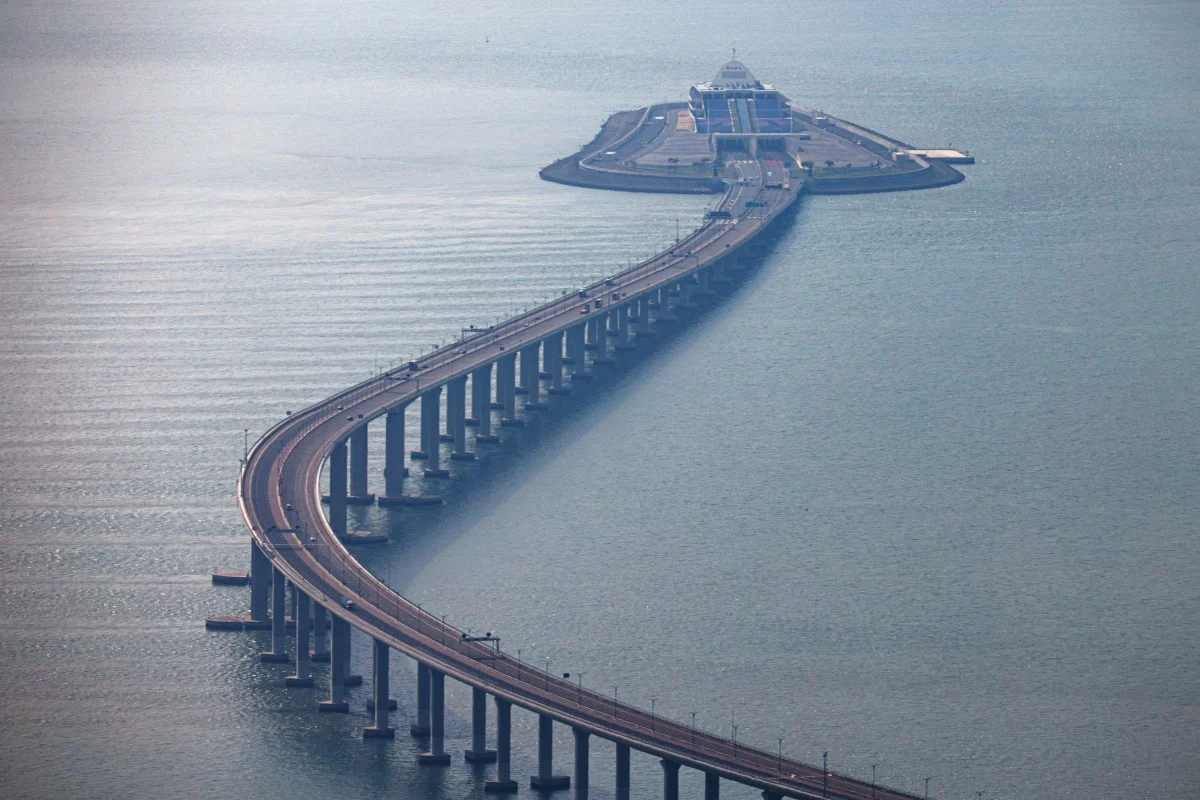
The scheme, known as Northbound Travel for Hong Kong Vehicles, allows eligible Hong Kong drivers to enter Guangdong without needing a mainland license plate or a dual-plate permit. Instead, approved private cars can cross directly through the Hong Kong–Zhuhai–Macau Bridge, which serves as the only designated entry point under the program.
Under the rules of the scheme, drivers can stay in Guangdong for up to 30 consecutive days per trip. However, there is also an annual limit, allowing a maximum of 180 days of stay per year. These conditions remain unchanged under the extended arrangement.
The extension is seen as a move to further strengthen cross-border travel and regional integration between Hong Kong and the Guangdong province. The bridge link has become a key transport corridor connecting the three major cities of Hong Kong, Zhuhai, and Macau, improving mobility for both personal and business travel.
Since its launch, the scheme has been popular among Hong Kong residents who want more flexibility in visiting mainland China by car. It reduces travel restrictions and makes it easier for families and individuals to make frequent trips across the border without relying on public transport or rental services.
Officials say the program also supports economic and tourism links between Hong Kong and the Greater Bay Area. By allowing private vehicles to cross more easily, it encourages spending in mainland cities and increases business connectivity across the region.
The Hong Kong–Zhuhai–Macau Bridge plays a central role in the scheme. As one of the world’s longest sea-crossing bridges, it connects key economic hubs in southern China. The infrastructure has significantly reduced travel time between Hong Kong and Guangdong, making same-day trips more practical for many residents.
Authorities have not announced any major changes to eligibility rules or entry requirements as part of the extension. Drivers still need to apply for approval under the existing system before they can use the route. Vehicle checks and insurance requirements also remain in place to ensure road safety standards are met on both sides of the border.
Transport analysts say the extension reflects growing demand for cross-border mobility in the region. As travel patterns continue to recover and stabilize, the scheme is expected to remain an important feature of regional transport policy.
For many Hong Kong residents, the extension provides long-term certainty. It allows families, business travelers, and frequent visitors to plan trips further into the future without concern about sudden policy changes.
With the scheme now secured until 2031, officials expect continued steady use of the route as part of broader efforts to deepen integration within the Greater Bay Area and strengthen transport links between Hong Kong and mainland China.
