

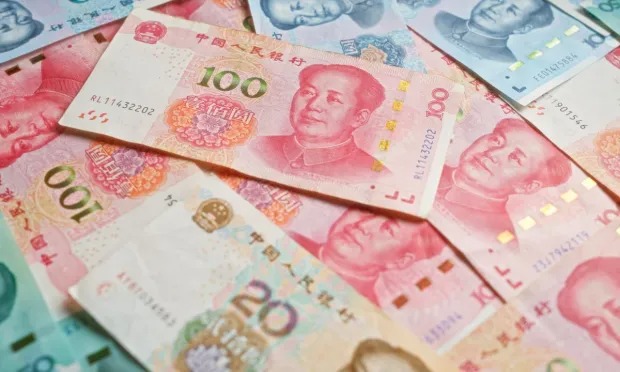
China’s banking sector is undergoing one of its biggest restructurings in decades, with hundreds of smaller lenders disappearing as regulators push for greater financial stability and stronger oversight.
According to recently reported regulatory data, more than 670 banks were closed during 2025, marking the largest annual reduction in China’s banking system on record. The closures are part of a wider effort to consolidate smaller institutions and address risks that have emerged in parts of the financial sector.
The move has significantly reduced the number of banks operating in the country. China now has approximately 3,139 banking institutions, down about 23 percent compared with four years ago.
Most of the closures have involved rural lenders and smaller regional banks. These institutions have faced growing pressure from weaker profitability, economic challenges, and stricter regulatory requirements.
Financial analysts say the consolidation effort reflects concerns about the financial health of smaller lenders, many of which have struggled with limited capital, weak governance structures, and poor asset quality.
Experts note that low interest rates and persistent deflationary pressures have made it increasingly difficult for banks to generate profits. At the same time, China’s prolonged property market slowdown has continued to weigh on the broader economy and financial system.
The real estate sector has long been an important driver of economic growth in China. As property activity weakened, many banks faced increased pressure from slower lending growth and concerns about asset quality.
Analysts believe these factors have contributed to the government’s decision to encourage mergers and closures among smaller institutions.
Banking specialists describe the process as an effort to simplify regulation and reduce financial risks.
By combining smaller lenders into larger organizations, regulators aim to strengthen oversight and improve the resilience of the banking system. Larger institutions generally have stronger capital positions and more resources to manage economic challenges.
Industry observers say the scale of the consolidation is unprecedented in modern Chinese banking history.
Although rural banks account for most of the recent closures, attention has also turned toward city-level lenders. Regulators have increased scrutiny of these institutions as they seek to identify potential weaknesses before they become larger financial problems.
Small and regional banks continue to play a major role in China’s economy. Together, they represent a significant share of the country’s banking assets and provide financial services to businesses, farmers, and households across many provinces.
However, experts have repeatedly warned that some of these institutions remain vulnerable to economic shocks.
Financial assessments have pointed to several common challenges among smaller banks, including weaker capitalization, governance concerns, and lower-quality assets compared with larger national lenders.
These weaknesses can become more pronounced during periods of slower economic growth.
Regulators have responded by increasing supervision and encouraging restructuring measures designed to strengthen the sector.
Supporters of the consolidation strategy argue that fewer but stronger institutions can help reduce systemic risks and improve confidence in the financial system.
Critics, however, caution that consolidation alone may not address all of the underlying economic challenges facing smaller lenders. Issues such as slower growth, reduced loan demand, and ongoing pressure from the property sector may continue to affect profitability.
The banking changes come as China seeks to stabilize its economy and maintain confidence in its financial institutions.
Officials have repeatedly emphasized the importance of managing financial risks while supporting economic growth. Strengthening smaller banks has become a key part of that effort.
At the same time, financial institutions around the world are adapting to broader industry changes.
Major banks in the United States and other markets are increasing investments in artificial intelligence and digital technologies. Financial firms are expanding hiring for specialists who can develop advanced AI systems, automate processes, and improve operational efficiency.
These developments highlight the different challenges facing global banking systems. While Chinese regulators focus on consolidation and risk management, many international banks are investing heavily in technological transformation.
For China, the immediate priority remains financial stability.
The closure of more than 670 banks in a single year demonstrates the scale of the restructuring effort now underway. As regulators continue to reshape the sector, investors and economists will be watching closely to see whether the reforms strengthen the banking system and support broader economic recovery in the years ahead.
