

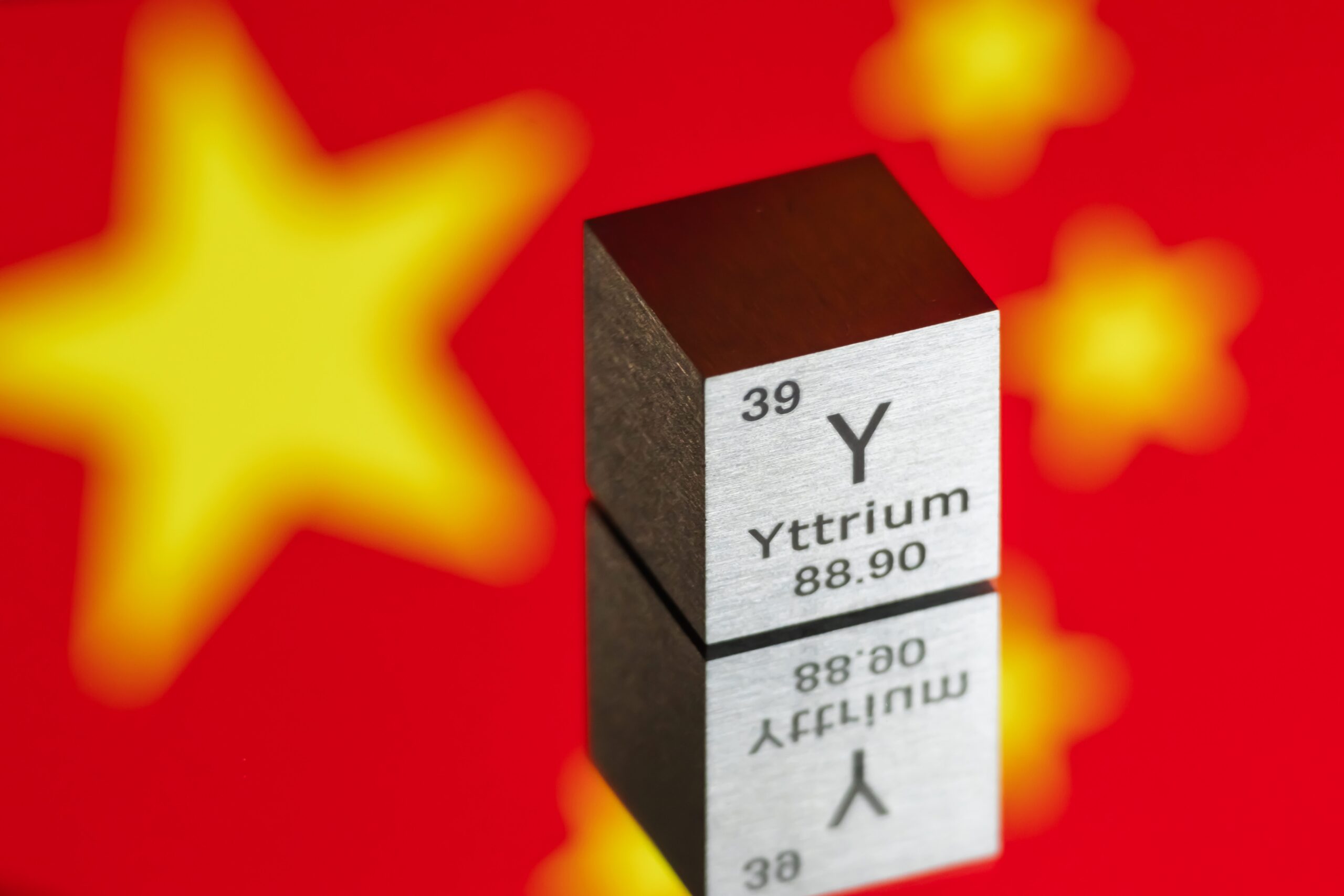
China is expanding its efforts to secure ownership of mines around the world as it seeks stronger control over minerals needed for electric vehicles, semiconductors and advanced aircraft engines.
Beijing is encouraging state-linked companies to take larger stakes in overseas mining projects. The strategy could give China greater influence over global supplies of critical minerals and the countries and companies that can access them.
Analysts say the shift marks a move towards a more coordinated approach to international mining investments. Instead of allowing individual companies to make decisions largely on their own, the Chinese government is building a system that brings major state-owned businesses and public agencies together.
Dan Wang, China director at Eurasia, described the approach as a state-coordinated global mining strategy. He said it could replace separate company-level decisions with larger investments that better match national priorities.
The government has taken several steps to put this system in place. In April, China established a dedicated overseas bureau to supervise foreign investments made by central state-owned enterprises.
Several government agencies, ministries and policy banks have also been brought into the process. Their role is to help guide overseas mining projects and support deals that serve China’s wider economic and strategic goals.
Another major step came in July, when China created a mining investment vehicle to coordinate overseas transactions. The organisation is expected to advise Chinese companies on regulatory compliance, risk management and market conditions.
These services are becoming more important as Chinese investors face greater scrutiny in foreign markets. Governments in several countries have tightened rules on strategic assets, while geopolitical tensions have made international mining deals more complex.
The stronger central role could help Chinese companies avoid competing against one another for the same projects. It may also improve their ability to negotiate with Western mining groups and new competitors, including investors from Saudi Arabia and India.
However, the approach could create problems of its own. Wang warned that longer reviews and approval procedures may slow investment decisions. A more complex system could also increase corruption risks and reduce the financial returns of some projects.
China has spent around two decades building a large overseas mining presence. Its companies have invested in countries that many Western mining groups were reluctant to enter. These investments have included projects in Tajikistan and the Democratic Republic of Congo.
The strategy has become more urgent as governments increasingly treat critical minerals as important national assets. Supplies of lithium, nickel, cobalt and other resources are central to several fast-growing industries.
Electric vehicle manufacturers depend on these materials for batteries. Semiconductor production also requires a range of specialised minerals, while aerospace companies use advanced metals in aircraft engines and other high-performance equipment.
China’s overseas acquisitions have already reached a significant level this year. Chinese mineral purchases abroad totalled $8.8bn during the first three quarters, according to a Rhodium Group report released on Wednesday.
The figure was already the highest annual total recorded since at least 2018, even though the year had not yet ended. It highlights the growing scale of Chinese efforts to secure access to resources outside its borders.
Armand Meyer, a senior research analyst at Rhodium Group, said Chinese acquisitions have generally focused on minerals that are not widely available within China.
He pointed to lithium, nickel and cobalt as examples of resources that attracted Chinese investors during the electric vehicle boom in the middle of the 2010s. More recently, gold has also become an important target.
The pattern reflects China’s effort to reduce exposure to supply shortages and maintain access to materials needed by its industries. Overseas ownership can provide companies with a more direct role in production and help secure supplies over longer periods.
The new government structure could make these investments more closely aligned with national priorities. It may also help China respond to competition from other countries seeking to build their own critical mineral supply chains.
For resource-rich countries, the growing role of Chinese state-linked investors could bring new sources of capital and development opportunities. At the same time, governments may face greater pressure to balance foreign investment with control over strategic natural resources.
China’s expanded approach is likely to make overseas mining an increasingly important part of its economic planning. The outcome will depend on how effectively the new system manages investment risks, foreign regulations and competition for access to critical minerals.
