

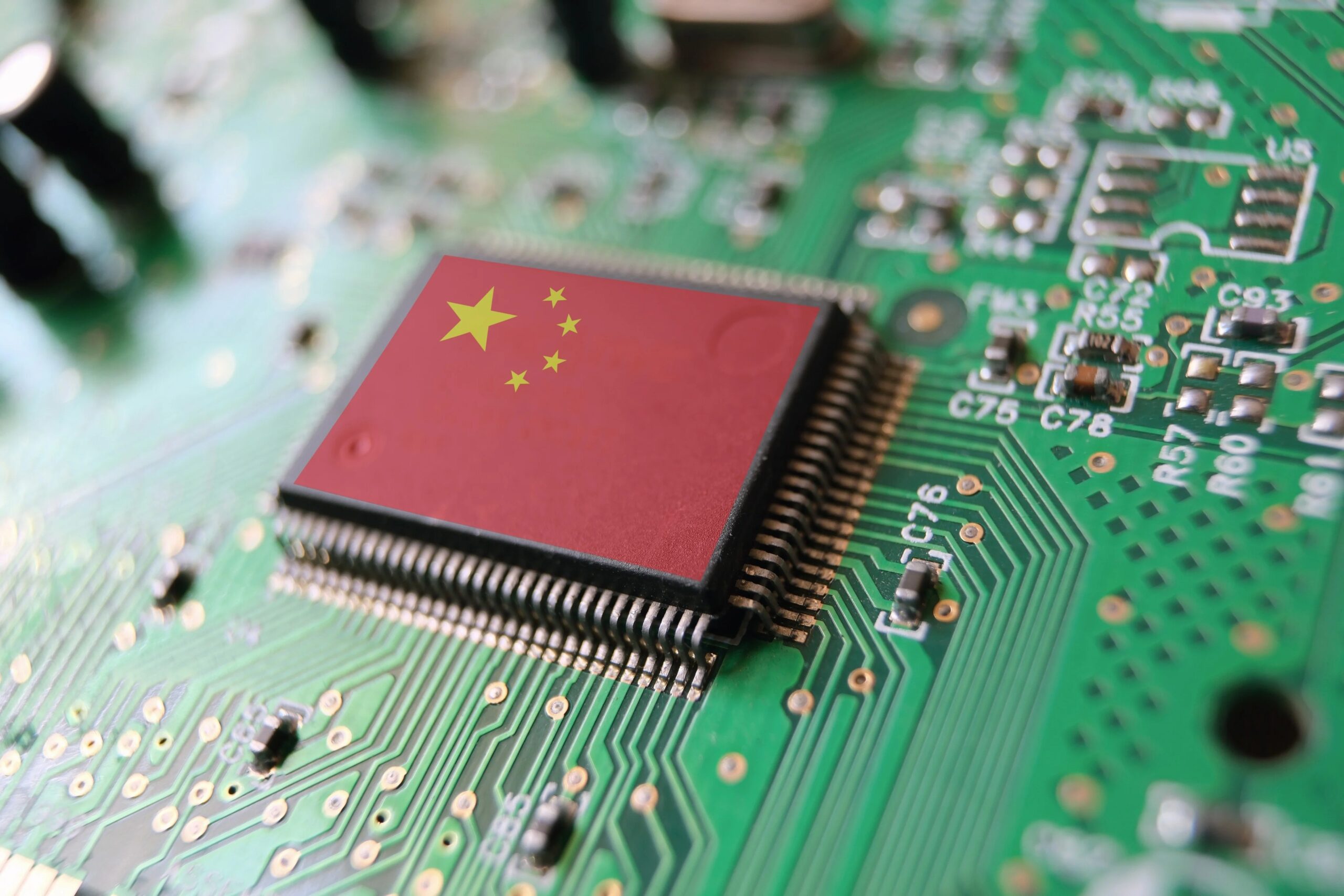
European businesses are pushing back against plans by the European Union to reduce reliance on Chinese suppliers. The dispute comes as Brussels prepares new trade measures aimed at making the bloc’s supply chains more diverse and resilient.
The European Commission is expected to present three new policy tools in December. The measures are designed to reduce the EU’s dependence on China and give the bloc more options if trade tensions grow. Although the proposals will not name China directly, their broader goal is to limit risks linked to heavy reliance on Beijing.
The plans have raised concerns across European industry. Many companies depend on Chinese suppliers for materials, parts and finished products. They warn that changing these networks could increase costs, disrupt production and make it harder to compete in global markets.
One of the proposed tools, known as DiversifyEU, could require businesses in key sectors to use a wider range of suppliers. The EU may seek to achieve this through tariffs, or by offering incentives linked to public contracts and government subsidies.
The proposal reflects a growing belief in Brussels that the bloc needs stronger control over its economic risks. However, businesses argue that supply chains cannot be changed quickly without serious consequences.
China remains an important trading partner for Europe. Its factories supply a wide range of goods, from industrial components and electronics to materials used in clean energy and advanced manufacturing. For many European companies, Chinese suppliers offer large production capacity, established logistics networks and competitive prices.
Finding alternatives could take time. Businesses may need to identify new suppliers, test products, adjust manufacturing processes and negotiate contracts. In some industries, suitable alternatives may be limited or more expensive.
Companies also face uncertainty over how the proposed rules would work. If businesses are required to reduce their reliance on China, they will want clear definitions of which sectors are covered and how compliance will be measured.
The use of tariffs could add another layer of cost. Higher import charges may encourage companies to source goods from other countries, but they could also raise prices for European manufacturers and consumers. Firms that cannot find suitable alternatives may face particularly difficult choices.
Incentives through public contracts and subsidies could offer a different approach. Such measures might help companies develop new supplier relationships or invest in production outside China. Yet businesses may still question whether financial support would cover the full cost of changing their supply chains.
The EU’s wider strategy is known as de-risking. Rather than ending economic ties with China, the bloc aims to reduce vulnerabilities created by excessive dependence on a single country or supplier.
Supporters of the approach argue that supply disruptions, trade restrictions and political disputes can expose weaknesses in global production networks. A more diverse supplier base could help European firms continue operating during a crisis.
The issue has become more important as governments increasingly treat trade and industrial capacity as matters of economic security. Access to critical materials and advanced technologies can affect the ability of countries to protect key industries and maintain production.
Brussels also wants stronger tools to respond to possible trade disputes. The planned package is intended to give the EU more room to act if tensions escalate and trade becomes a source of political pressure.
However, European industry faces a difficult balance. Companies need to manage long-term risks, but they must also control costs and protect their position in global markets. Moving away from established suppliers may improve resilience, yet it can weaken competitiveness if alternatives are less efficient or more costly.
The success of DiversifyEU may therefore depend on how the rules are designed. Businesses are likely to seek clear guidance, reasonable timelines and flexibility for sectors where alternative suppliers are difficult to find.
The European Commission has not yet presented the final package, so key details remain uncertain. The proposals could change before their planned release in December.
For now, the debate highlights a growing gap between policymakers and businesses over how quickly Europe should reduce its economic dependence on China. Brussels wants stronger protection against supply risks, while companies warn that forced changes could bring new financial and operational problems.
The coming months will show whether the EU can build a policy that improves supply chain security without placing too much pressure on the industries it aims to protect.
