

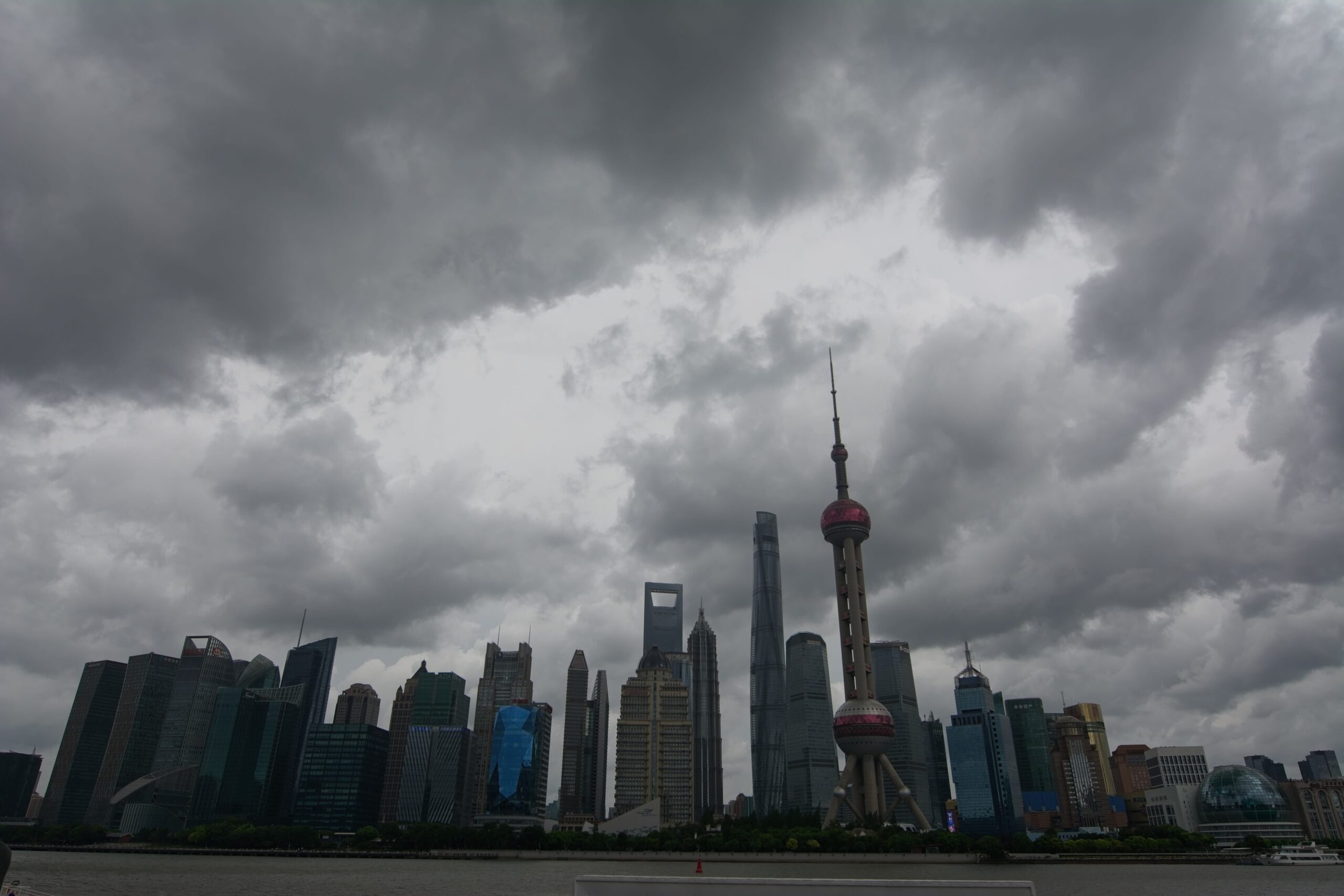
China’s main stock index has entered a bear market after a long period of losses. The CSI 300 fell 20% from its June peak, showing the pressure facing shares in the country.
The index tracks 300 major companies listed in Shanghai and Shenzhen. It has fallen for 10 weeks in a row, according to LSEG data. The index lost 2.6% so far this week and dropped more than 1% on Thursday.
The decline has raised fresh concerns about the health of China’s stock market. Investors are dealing with weak company profits, slow economic growth, and doubts about consumer demand.
Jordan Cvetanovski, chairman and chief investment officer at Pella Funds, said China still faces deep problems linked to years of excess capacity and overinvestment.
He told CNBC that many companies are struggling to deal with the effects of past expansion. Even firms in strong global sectors, such as batteries, face pressure. However, he said some Chinese battery companies may still offer investment opportunities.
Weak Profits Add to Market Pressure
Chinese companies have faced fierce competition in recent years. Many firms have cut prices to win customers. This has reduced profit margins and raised concerns about long-term growth.
The pressure has been clear in industrial data. China recorded its weakest growth in industrial profits of the year in September. The slowdown has added to worries about the strength of the business sector.
The wider economy is also facing major challenges. China recorded its slowest economic growth in more than three years in the second quarter. A long downturn in the property market has weighed on activity. Consumer demand has also remained weak.
These problems have made investors more careful. When company earnings fall or growth slows, investors may move money away from stocks. That can push share prices lower and make market losses worse.
Analysts also point to uncertainty around global politics and the fast growth of artificial intelligence. Some investors fear that AI-related stocks could be in a bubble. Such concerns may lead people to reduce risk across the market.
Retail Investors May Increase Volatility
Shaun Rein, managing director of China Market Research Group, expects more selling pressure. He said geopolitical risks, doubts about AI valuations, and falling consumer confidence could continue to hurt investor sentiment.
China’s large number of retail investors may also make price swings sharper. Retail investors are people who buy and sell shares with their own money. They may react quickly to bad news, adding to market moves.
Data provided by HSBC shows that retail investors account for about 90% of daily trading in China. In major markets such as the New York Stock Exchange, the share is around 20% to 25%.
This difference can make China’s market more sensitive to changes in mood. If many individual investors sell at the same time, prices can fall quickly.
Rein said many Chinese investors are focused on protecting their wealth. Some are choosing safer options, such as time deposits, instead of shares.
The weak property market has also affected household confidence. For years, real estate was a key way for many Chinese families to build wealth. Slow sales and falling prices have made people more cautious. Weak job conditions have added to those concerns.
Some Analysts See Room for a Recovery
Despite the sell-off, Rein believes the market decline has gone too far. He pointed to strong exports and signs that property prices may be recovering in some of China’s largest cities.
He described the situation as a crisis of confidence rather than a crisis in the economy. Rein also expects Chinese stocks to make a strong recovery in 2027.
That view offers a more hopeful outlook, but a rebound is not certain. Investors will likely watch economic data, company profits, and consumer spending for signs of lasting improvement.
Daniel Gerard, a senior multi-asset strategist at State Street Markets, also sees reasons for optimism. He said China’s growing strength in artificial intelligence could help bring global investors back to its stock market.
That shift could happen even before company earnings improve, Gerard said. Investors may look for firms with strong technology and future growth potential.
Still, China’s market faces several hurdles. Weak profits, low confidence, and uncertainty over the economy may keep investors cautious in the near term. The next stage will depend on whether China can improve demand, ease pressure on companies, and restore trust in its markets.
