

The European Union and China have reached a new understanding that could sharply reduce Chinese hybrid car exports to Europe over the next four years. The deal aims to ease trade tensions and help address the EU’s growing trade gap with China.
European Trade Commissioner Maros Sefcovic announced the agreement on Friday after two days of talks in Beijing. He said the plan could cut imports of Chinese hybrid and plug-in hybrid cars by several million vehicles over four years.
The two sides have not yet shared full details on how the plan will work. Sefcovic said the agreement would help moderate China’s car exports to the European market.
The news lifted shares of several European carmakers. Their stocks have faced pressure over the past two years due to US tariffs and rising imports from China.
The agreement follows months of talks between Sefcovic and Chinese officials, including Commerce Minister Wang Wentao. Discussions over the past three months aimed to reduce trade tensions that have grown over Chinese exports and other market disputes.
Sefcovic described the result as positive but warned that much work remained.
“This is far from the end,” he said, calling the deal a key first step towards a more balanced trade relationship.
EU Seeks Fairer Trade With China
The EU has become increasingly concerned about its rising trade deficit with China. The gap has grown to more than €1 billion a day, according to figures cited in the report.
European leaders want to improve market access for EU companies and address the impact of rising Chinese imports on local industries. The new understanding could form part of a wider effort to reach that goal.
EU leaders are expected to discuss the outcome at the start of their summit in Brussels next Thursday. They will consider whether the agreement marks real progress towards balancing trade between the two sides.
Bernd Lange, chair of the European Parliament’s trade committee, said the deal should cover more than the car sector. He also called for the EU to use its trade defence tools more effectively.
Chinese Commerce Minister Wang said China was not the cause of Europe’s trade problems. Instead, he described China as a partner in finding solutions, according to the Chinese commerce ministry.
The comments show that both sides remain keen to keep talks open, even as disagreements over trade continue.
Chinese Hybrid Car Imports Rise
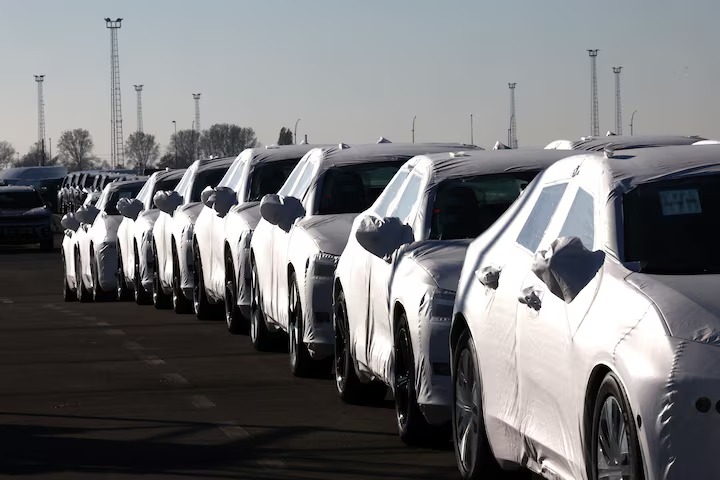
The deal comes as Chinese car imports have gained a larger share of the European market. EU governments are worried about the effect on local carmakers, which face rising costs and pressure to protect jobs.
Imports of plug-in hybrid cars into the EU rose by 86% in the year to September. Prices fell by 20% over the same period. More than half of these imported vehicles now come from China.
In 2025, Chinese-made vehicles accounted for 30% of the value of EU plug-in hybrid imports, according to the figures cited in the report.
The rise has added to pressure on European carmakers. Volkswagen, one of the region’s largest vehicle producers, has faced major job concerns, with plans affecting about 100,000 jobs cited in the report.
The EU introduced tariffs on Chinese electric vehicles in 2024 after disputes over low-priced imports and competition. Since then, trade tensions have spread to other sectors.
Chinese measures affecting European brandy, pork, and dairy products have added to the strain. Restrictions on rare earths and other critical minerals have also raised concerns among European firms.
New Access for European Products
The talks also produced progress in other areas. Sefcovic said China had agreed to work towards reducing import duties on EU goods worth about €4 billion.
The products include car parts, olive oil, and footwear. Lower duties could make it easier for European firms to sell these goods in China.
The two sides also reached an understanding on speeding up the process for Chinese export licences covering rare earths and permanent magnets.
These materials are important for many industries, including carmaking, electronics, and clean energy. Delays in supply can affect production and raise costs for manufacturers.
France and Germany have been among the EU countries most exposed to China’s trade measures. France accounts for about 90% of EU brandy exports to China, while Germany has significant exposure in the dairy sector.
More Work Ahead
The agreement offers a possible path towards easing trade tensions, but key details remain unresolved. Both sides must still clarify how the proposed limits on hybrid car exports will work and how the wider commitments will be applied.
European officials will also need to assess whether the deal can deliver lasting benefits for local industries.
For now, the understanding marks a step towards closer trade talks between Beijing and Brussels. Its long-term impact will depend on how both sides put the commitments into practice and whether progress extends beyond the car market.
