

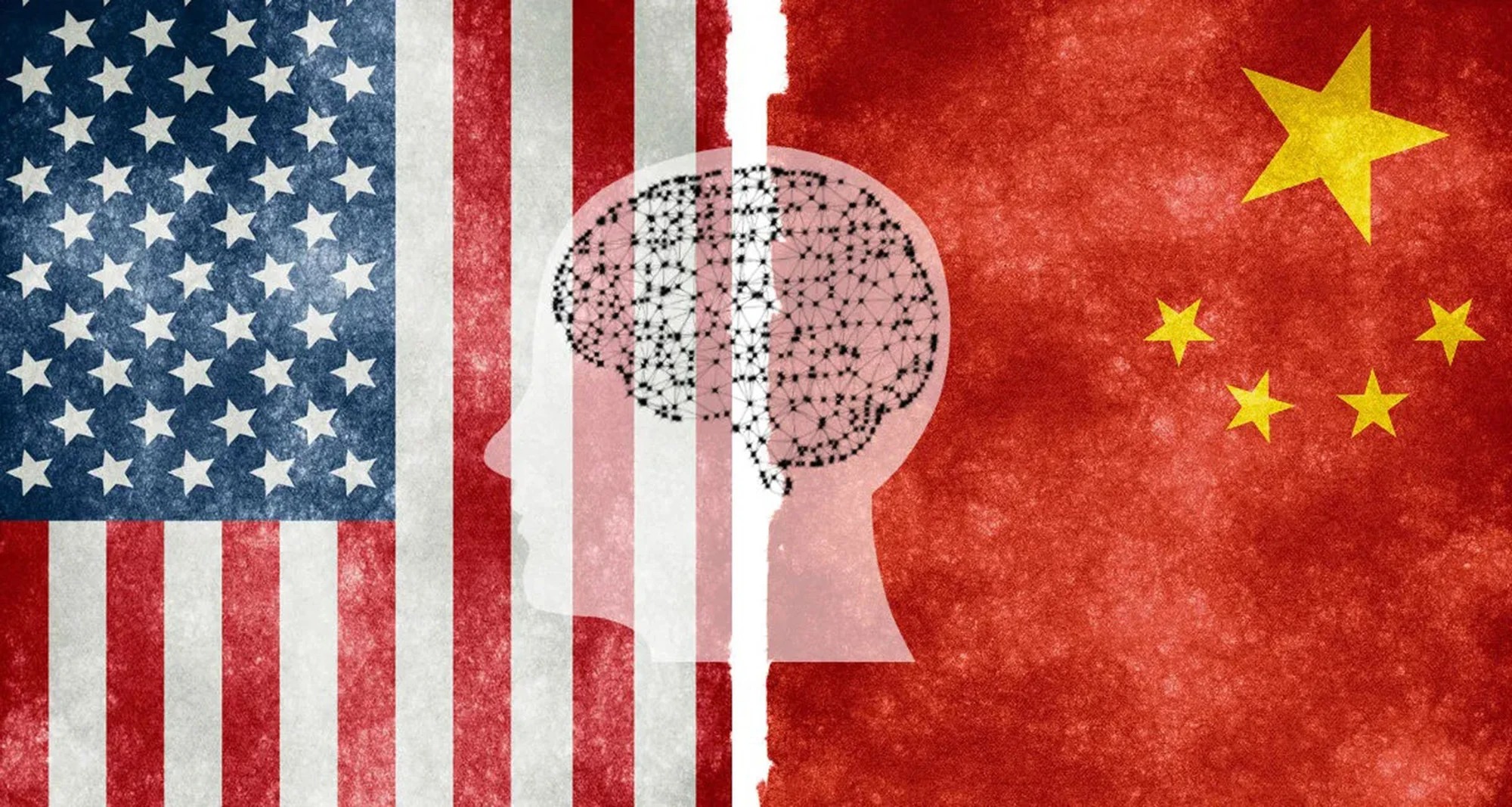
The race to build advanced artificial intelligence has entered a new phase. A former White House official has urged the United States to prepare for extreme scenarios if China reaches artificial general intelligence, or AGI, before the United States.
The comments came during an online discussion on Thursday. The speaker said US officials should begin studying what steps may be available if China gains a major lead in AGI development. These options could include diplomatic actions, intelligence operations, cyber measures, and other forms of intervention.
AGI is a term used for a future AI system that can perform tasks at a level equal to or better than humans across many fields. Experts believe such a system could transform economies, industries, national security, and military power. While AGI does not yet exist, many researchers think it could arrive within the coming years.
The former official argued that US government agencies should start planning now. He said agencies responsible for national security, intelligence, and defense should examine what information would be needed if policymakers ever faced difficult decisions related to AGI competition.
According to his remarks, leaders must understand the technology in detail before creating policies. He compared the challenge to earlier periods when governments studied major scientific advances and then developed strategies based on their possible impact. He said policymakers need to work from the science toward practical policy choices.
The discussion follows the release of a new report focused on the future of AI and the growing rivalry between the United States and China. The report explores how AGI could affect the balance of power between the world’s two largest economies. It examines what governments might do if one country gains a decisive advantage in advanced AI systems.
Many analysts view AI as one of the most important technologies of the century. Nations around the world are investing billions of dollars in research, infrastructure, and talent. The United States and China are widely seen as the two leading competitors in this field.
Current estimates suggest that the United States maintains a lead in the development of the most advanced AI models. Researchers tracking frontier AI systems believe the gap may be measured in months rather than years. However, experts also warn that technological progress can be unpredictable.
The report highlights the possibility of a sudden breakthrough. Such a development could allow China to narrow the gap much faster than expected. A surprise advance could also change global assumptions about the pace of AI progress.
China has made major investments in artificial intelligence over the past decade. The country has expanded research programs, increased funding, and supported large technology projects. It has also made progress in robotics and other areas often linked to next-generation AI systems.
Some experts point to advances in robotics as an important factor in the race toward AGI. Robots that can interact with the physical world may help researchers create systems that learn from real-world experiences. This approach is often described as embodied AI. Supporters believe it could play a key role in future breakthroughs.
The debate reflects growing concern about the strategic importance of AI. Governments increasingly view advanced AI systems as tools that could influence economic growth, military planning, intelligence gathering, and technological leadership.
At the same time, many researchers stress the need for international cooperation. They argue that advanced AI should be developed safely and responsibly. Experts continue to call for stronger communication between major powers to reduce risks and avoid misunderstandings.
As the competition continues, policymakers face difficult questions about security, innovation, and global stability. The discussion around AGI is still evolving, but it is already shaping how governments think about the future. Whether AGI arrives soon or remains years away, the race between the United States and China is expected to remain one of the most closely watched technology contests in the world.
