

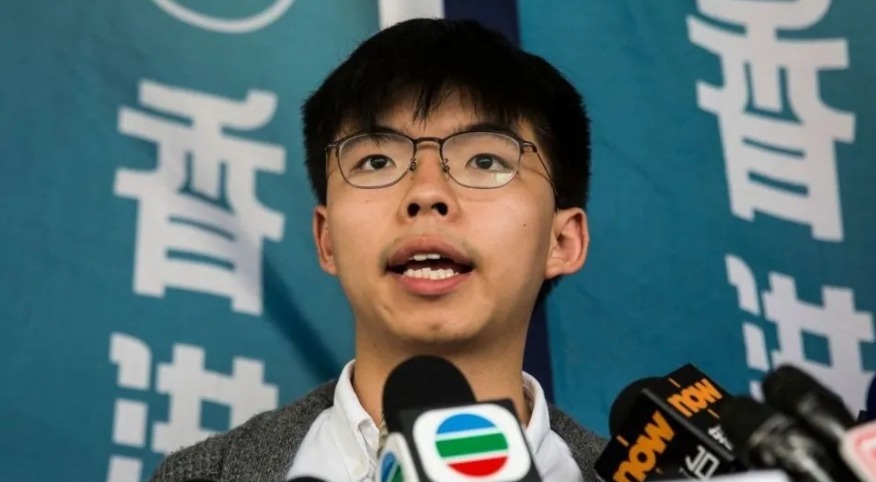
Hong Kong pro-democracy activist Joshua Wong has pleaded guilty to foreign collusion charges in a national security case that could result in a life sentence, marking another major development in the city’s ongoing crackdown on political opposition.
Wong, one of the most recognizable figures of Hong Kong’s democracy movement, entered his guilty plea during court proceedings on Wednesday. The 29-year-old activist is already serving a prison sentence for a separate national security conviction and was expected to be released next year before the new case emerged.
The latest charges accuse Wong of seeking support from foreign governments, organizations, and individuals to impose sanctions and other measures against Hong Kong and China after the national security law was introduced in 2020.
The case is being closely watched by governments, human rights groups, and political observers around the world because of Wong’s prominent role in Hong Kong’s pro-democracy movement over the past decade.
During the hearing, Wong stood in the courtroom as prosecutors outlined the allegations against him. When asked about the charges, he confirmed his guilty plea before the court.
Observers in the courtroom reported that Wong remained calm throughout the proceedings. At one point, he acknowledged support from members of the public gallery after a supporter shouted words of encouragement.
Prosecutors argued that Wong used various platforms to attract international attention to developments in Hong Kong following the implementation of the national security law. They said he communicated with foreign media outlets, wrote opinion pieces, and engaged with international political figures to encourage pressure on Chinese and Hong Kong authorities.
According to the prosecution, Wong sought support from overseas governments and policymakers after Beijing introduced the law in response to widespread anti-government protests and political unrest in Hong Kong.
The charges center on activities that authorities claim amounted to requests for sanctions and other actions against Hong Kong and China. Under the national security framework, such conduct can be prosecuted as foreign collusion, one of the most serious offenses covered by the legislation.
The guilty plea places Wong in a position where he could face a significant additional prison sentence. The offense carries severe penalties, including the possibility of life imprisonment in the most serious cases.
Rights advocates have expressed concern about the prosecution, arguing that it represents another step in the broader campaign against political dissent in the city. Several organizations have claimed that the new case could keep Wong behind bars long after his current sentence would have ended.
Wong is already serving a prison term following his conviction in Hong Kong’s largest national security trial. That case involved dozens of pro-democracy figures connected to an unofficial primary election held in 2020.
Authorities argued that the primary election was part of a broader effort to challenge government authority. Prosecutors successfully secured convictions against many of the individuals involved.
For supporters of the democracy movement, Wong has become one of the most recognizable symbols of political activism in Hong Kong. He first gained international attention during the 2014 Umbrella Movement, a major protest campaign that called for greater democratic reforms in the city.
As a student activist, Wong played a central role in organizing demonstrations and became a prominent voice for political change. His profile continued to grow during the large-scale protests that took place in 2019.
Those demonstrations attracted worldwide attention and often drew hundreds of thousands of participants. While many protests were peaceful, some turned violent as tensions between demonstrators and authorities escalated.
The unrest ultimately led Beijing to introduce the national security law in 2020. Chinese officials argued that the legislation was necessary to restore stability and protect national security. Critics, however, said the law significantly reduced political freedoms and limited opposition activity in the city.
Since its introduction, numerous activists, politicians, and campaigners have been arrested, prosecuted, or imprisoned under its provisions. The law has reshaped Hong Kong’s political landscape and remains a source of international debate.
Wong’s guilty plea marks another significant chapter in that transformation. The court is expected to determine his sentence at a later stage, with the outcome likely to draw continued global attention as questions about Hong Kong’s political future remain at the center of international discussion.
