

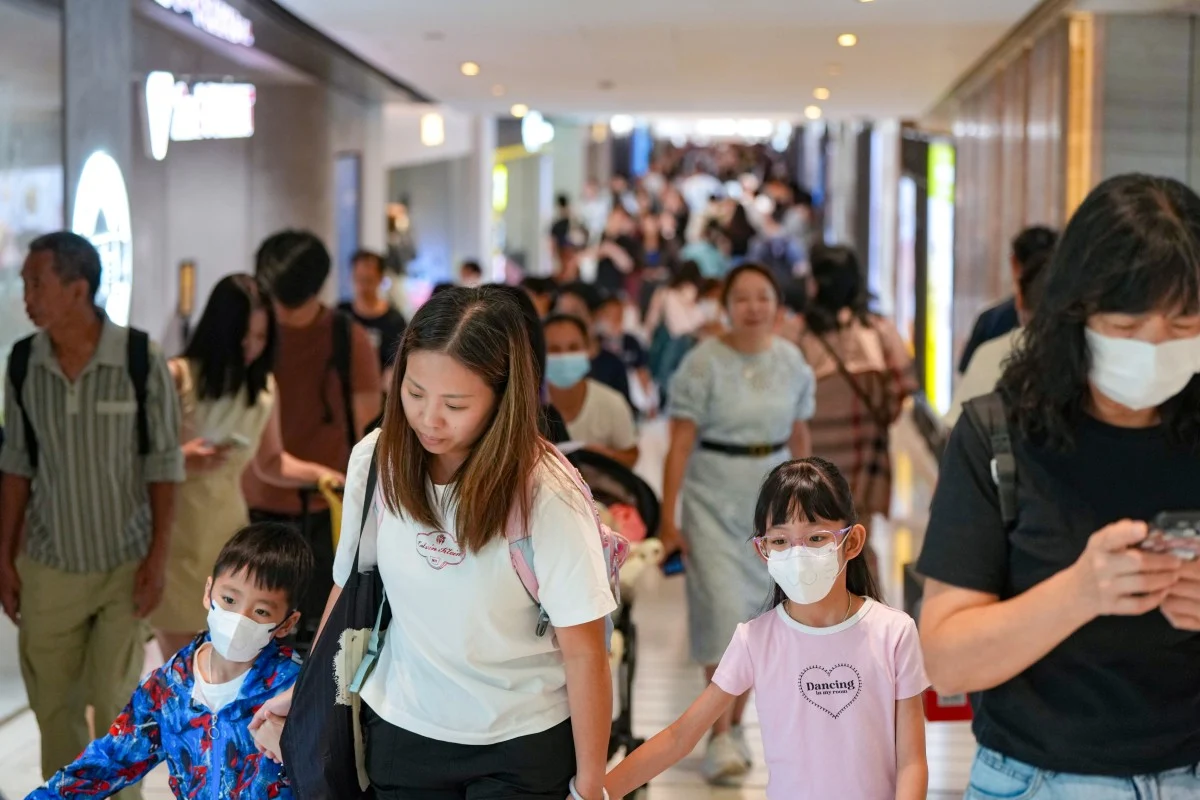
A new survey has found that many parents in Hong Kong do not know enough about invasive meningococcal disease, with nearly 60 percent believing the serious infection is no different from a common cold. Doctors are now calling for better public education as families prepare for the busy summer travel season.
The findings come from a survey of 300 parents and teachers conducted by the Hong Kong Early Childhood Educators Association. The results showed that parents had limited knowledge of the disease, raising concerns about how quickly they may recognize its warning signs.
Parents scored an average of 3.84 out of 10 on questions about invasive meningococcal disease. Teachers performed slightly better, with an average score of 4.8 out of 10. Even so, the results suggest that awareness remains low among both groups.
The survey also found that 78 percent of parents had not vaccinated their children against meningococcal disease. More than one-third of those surveyed did not know that a vaccine is available to help protect against the infection.
Doctors said the results highlight the need for stronger public health education. They warned that invasive meningococcal disease can develop very quickly and become life-threatening if it is not treated early. Because the first symptoms can look similar to those of a common cold or flu, many people may not realize the seriousness of the illness until it becomes more severe.
Early symptoms may include fever, headache, tiredness, muscle pain, nausea, or a sore throat. As the disease progresses, patients may develop a stiff neck, confusion, sensitivity to light, severe rash, or difficulty breathing. Health experts advise anyone with rapidly worsening symptoms to seek medical care without delay.
Invasive meningococcal disease is caused by bacteria that can infect the bloodstream or the lining around the brain and spinal cord. The illness can spread through close contact, including coughing, sneezing, kissing, or sharing eating utensils and drinks with an infected person.
Young children, teenagers, older adults, and people with weakened immune systems are among those considered to have a higher risk of severe illness. Crowded places and international travel may also increase the chance of exposure to the bacteria.
Health experts say vaccination remains one of the most effective ways to reduce the risk of meningococcal disease. They encourage parents to speak with healthcare professionals about whether vaccination is appropriate for their children, especially before overseas travel or visits to areas where the disease is more common.
Doctors also recommend practicing good hygiene, washing hands regularly, covering coughs and sneezes, and avoiding close contact with people who are unwell. These simple measures can help reduce the spread of many infectious diseases.
The survey results have renewed calls for stronger public awareness campaigns to help families better understand the disease and recognize its symptoms. Medical professionals believe that improved education, combined with timely vaccination and early medical attention, can help reduce the risk of serious illness and save lives.
As the summer holiday season begins, doctors are urging parents not to ignore symptoms that appear to be a simple cold if they become worse quickly. Greater awareness of invasive meningococcal disease could help ensure that children receive prompt treatment when it is needed most.
