

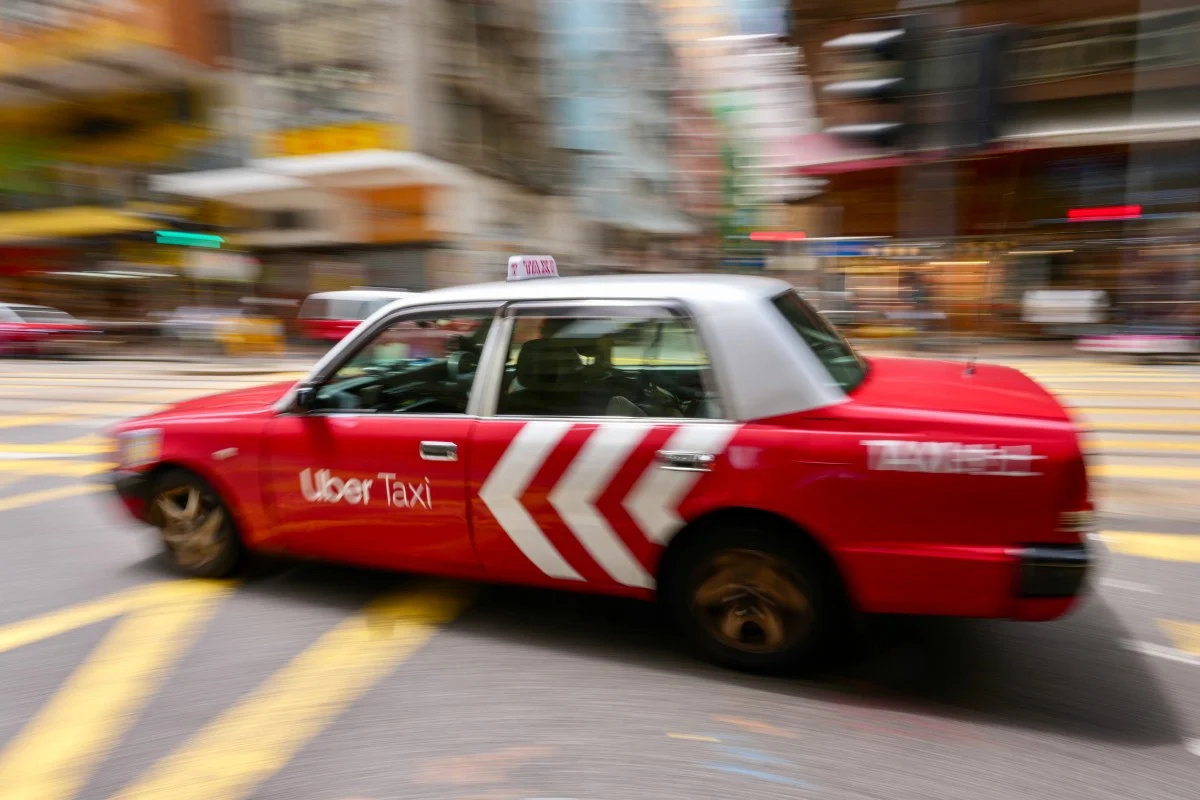
Uber has criticized a proposed limit on ride-hailing vehicle licences in Hong Kong, calling the plan “unusual” as authorities move closer to finalizing new rules for the sector.
The comments come as Hong Kong prepares to introduce its long-awaited regulatory framework for ride-hailing services, a move that could reshape how companies like Uber operate in the city.
Andrew Byrne, Uber’s global head of public policy, visited Hong Kong on Thursday to meet officials and discuss the proposal. He urged policymakers to base any licence cap on actual passenger demand rather than strict numerical limits.
The government is currently considering how many ride-hailing vehicle licences should be issued under the new system. According to discussions among lawmakers, the proposed range could fall between 10,000 and 15,000 licences.
However, the proposal has already sparked debate among different groups. Taxi operators argue that even a small number of ride-hailing licences could negatively impact traditional taxi drivers and reduce their income.
Taxi associations have long expressed concern about competition from app-based transport services, saying that ride-hailing platforms operate under different cost structures and regulatory requirements.
On the other hand, supporters of ride-hailing services argue that regulated platforms like Uber can improve transport options, reduce waiting times, and provide more flexible travel choices for residents and visitors.
Uber has maintained that any cap should reflect the real demand for transport services in Hong Kong, one of the world’s most densely populated urban centers with high daily commuter traffic.
The company said overly restrictive limits could reduce availability for passengers and limit innovation in the city’s transport sector.
Hong Kong has been working on formal regulations for ride-hailing services for several years. Currently, services operate in a legal grey area while policymakers design a structured licensing system.
The planned framework is expected to introduce clearer rules on driver qualifications, insurance requirements, and vehicle standards. It is also likely to define how ride-hailing platforms operate alongside traditional taxis.
Industry observers say the new system could bring greater stability and legitimacy to ride-hailing services, which have become increasingly popular in recent years.
However, the debate over licence caps highlights ongoing tensions between innovation in transport technology and the protection of existing industries.
Uber has stated that it intends to remain in Hong Kong regardless of the final outcome of the regulatory process.
The company emphasized its long-term commitment to the city, saying it will continue engaging with local authorities to ensure a workable framework for both drivers and passengers.
Hong Kong’s transport system is already one of the most tightly regulated in Asia, with strict rules governing taxis, private hire vehicles, and public transport operators.
The introduction of ride-hailing regulations is seen as a major policy shift that could modernize parts of the city’s transport network while also preserving existing services.
As discussions continue, lawmakers are expected to weigh economic competition, consumer demand, and labour concerns before finalizing the number of licences allowed under the new system.
The final decision on the cap is expected to play a key role in shaping the future of urban mobility in Hong Kong for years to come.
