

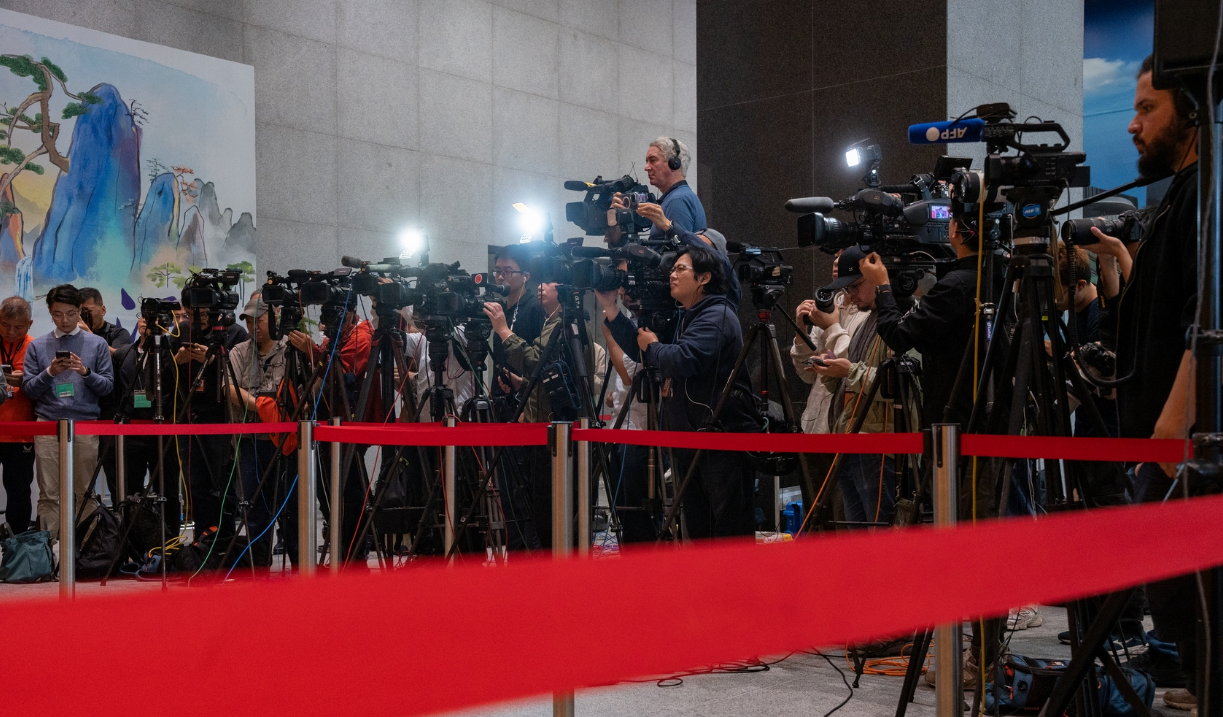
Hong Kong Press Freedom has remained unchanged at 140th place out of 180 countries and territories in the latest global index released by Reporters Without Borders (RSF). The ranking highlights continued concerns about media conditions in the city, including the imprisonment of media tycoon Jimmy Lai. The report was published ahead of World Press Freedom Day.
RSF said Hong Kong continues to sit in the “red zone,” which indicates a very serious situation for press freedom. The city is ranked between Rwanda and Syria. Its position has not improved from last year, reflecting ongoing concerns about media independence and safety for journalists.
The report specifically highlighted the 20-year prison sentence given to Apple Daily founder Jimmy Lai earlier this year. Lai, a well-known pro-democracy figure and media owner, was convicted under the national security law. RSF said his case reflects wider restrictions affecting independent journalism in Hong Kong.
Hong Kong Press Freedom has declined sharply over the past several years. In 2019, the city ranked 73rd. After the national security law was introduced in 2020, the ranking fell further. Between 2021 and 2022, it dropped from 80th to 148th place. Some independent media outlets, including Apple Daily, Stand News, and Citizen News, shut down during this period.
RSF noted that although Hong Kong’s ranking has slightly changed in recent years, this is largely due to shifts in other countries rather than major local improvements. The city’s press freedom score has continued to decline, falling from 41.64 in 2022 to 39.49 this year.
The global report also shows that press freedom is at a 25-year low worldwide. RSF said the average global score has reached its lowest level since the index began. Several countries across different regions have seen declines, including the United States, Ecuador, and Peru.
In contrast, Norway remains at the top of the list for the tenth consecutive year. The Netherlands, Estonia, Denmark, and Sweden also rank among the highest. In Asia, Taiwan is the highest-ranked region at 28th place. China is placed 178th, followed by Iran, while North Korea and Eritrea remain at the bottom.
RSF’s Asia Pacific advocacy manager, Aleksandra Bielakowska, described Hong Kong’s situation as a “systemic collapse” in press freedom. She said the city was once considered a global center for free media but has changed significantly over the past two decades.
According to RSF, Hong Kong Press Freedom has been affected by several developments, including visa restrictions for journalists and reports of harassment. Some journalists have also reported being followed or receiving threatening messages. Media groups have raised concerns about increasing pressure on independent reporting.
Authorities in Hong Kong have denied targeting journalists and have rejected claims of harassment as speculation. They maintain that the city still enjoys a high level of press freedom and argue that national security laws are necessary for stability. Government statements have also dismissed claims that Jimmy Lai’s case is politically motivated.
The RSF report also referenced Lai’s 20-year sentence, which is the longest under the national security law so far. He was convicted of conspiring to collude with foreign forces and publishing seditious materials. Several former employees of Apple Daily also received prison sentences.
The situation has drawn international attention, with press freedom groups warning of long-term consequences for media independence in Hong Kong. RSF says the continued decline in Hong Kong Press Freedom reflects broader global challenges facing journalism.
Despite government assurances, concerns remain over the future of independent reporting in the city. Observers say the next few years will be critical in determining whether press freedom stabilizes or continues to decline further.
