

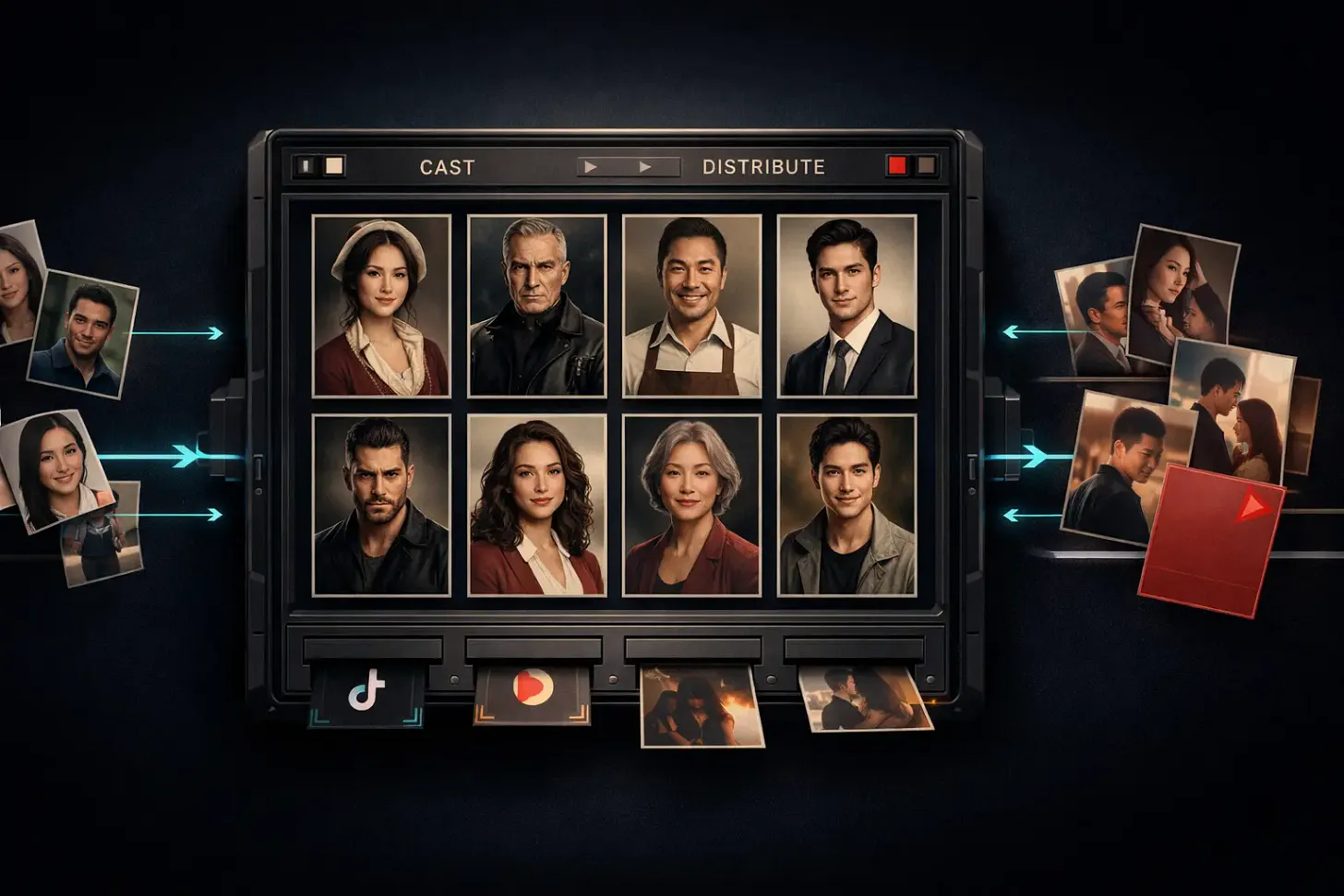
Chinese filmmakers are increasingly using artificial intelligence tools to create films and short dramas. The trend is growing fast in 2026 and is gaining strong attention across the entertainment industry. Many new projects made with AI support are now trending online.
The shift is changing how films are planned, produced, and edited. AI tools are helping creators with script ideas, visual effects, editing, and scene design. This is reducing production time while improving visual quality in many cases.
Short dramas made with AI assistance are becoming especially popular. These productions are often released on digital platforms, where they quickly gain large audiences. Many of them are going viral due to their fast production cycles and creative visuals.
Industry experts say this trend marks a major step in entertainment innovation. China is becoming one of the leading regions exploring AI-driven filmmaking at scale. The technology is being used both in independent projects and larger studio productions.
Filmmakers are using AI to generate backgrounds, enhance visuals, and even assist with storytelling development. This allows smaller teams to produce content that looks more advanced and polished.
The rise of AI tools is also helping new creators enter the industry. People without large budgets can now produce high-quality content with the help of digital systems. This is expanding opportunities for young filmmakers.
Online platforms are playing a big role in the trend’s success. AI-assisted films and short dramas are spreading quickly on social media and streaming apps. Viewer engagement has been strong, especially among younger audiences.
Many of these projects are designed for short-form viewing. This format fits well with mobile-first audiences who prefer quick and engaging content. The combination of AI production and short storytelling is proving effective.
Traditional filmmakers are also paying attention to the trend. Some studios are experimenting with hybrid production models that combine human creativity with AI tools. This is creating new workflows in the industry.
Concerns about creativity and originality are also being discussed. Some critics question how much creative control should be given to AI systems. However, supporters say AI is only a tool that enhances human storytelling.
Despite debate, the adoption of AI in film production continues to grow. More production teams are testing AI-based workflows for efficiency and cost savings. This is expected to expand further in the coming years.
The visual quality of AI-supported films has improved significantly. Advanced tools can now generate realistic environments and detailed effects. This helps smaller productions compete with larger studios in appearance.
China’s strong digital ecosystem is helping accelerate this growth. Large audiences are already used to streaming short dramas and online series. This makes it easier for AI-generated content to reach viewers quickly.
Experts believe the trend could reshape global entertainment production in the long term. As AI tools continue to evolve, more countries may adopt similar approaches. This could lead to a new era of hybrid filmmaking.
For now, China remains at the center of this development. The growing popularity of AI-assisted films and dramas highlights a major shift in how entertainment content is created and consumed in 2026
