

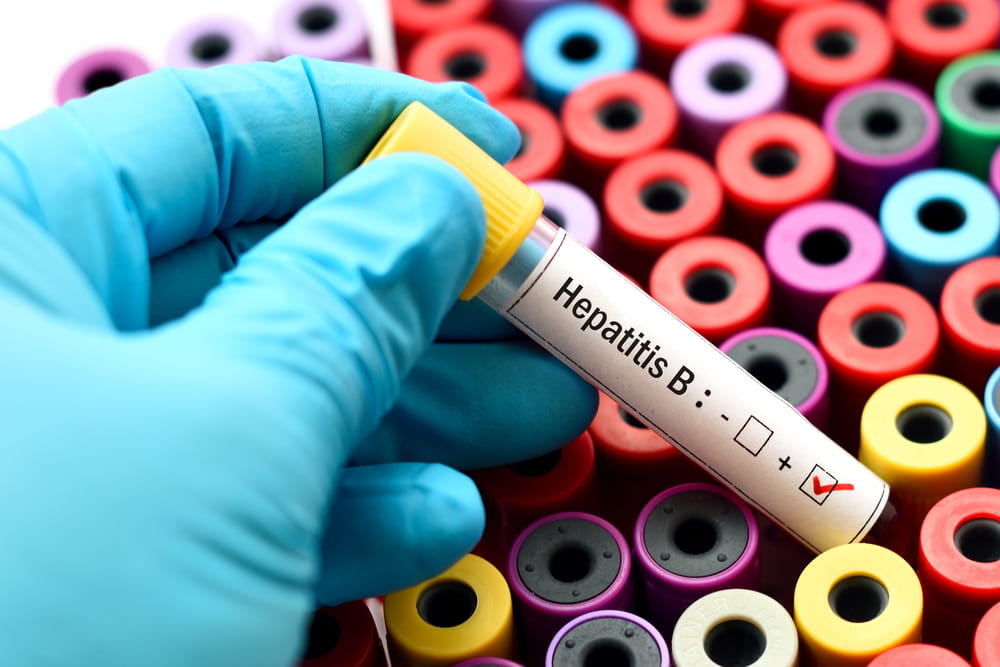
A controversial US-backed study on hepatitis B vaccination in newborns in Guinea-Bissau has been cancelled following widespread ethical concerns. The decision was confirmed by Yap Boum, a senior official at the Africa Centres for Disease Control and Prevention, who said the trial’s design failed to meet acceptable ethical standards.
The $1.6m study, overseen by the US Department of Health and Human Services under Robert F Kennedy Jr, drew criticism for potentially withholding a proven hepatitis B vaccine from thousands of newborns in a country with a high disease burden. Although US officials initially said the protocol would be revised, a senior official in Guinea-Bissau later confirmed the trial had been cancelled outright due to ethical issues.
Medical ethicists and public health experts welcomed the decision. Paul Offit of the Children’s Hospital of Philadelphia described the cancellation as “extremely heartening,” while Emory University’s Boghuma Titanji called it a victory for ethical research in Africa. Guinea-Bissau will continue its existing vaccination schedule until a universal birth-dose programme begins in 2027.
The case has intensified scrutiny of how clinical trials are designed and conducted in low-income countries, with critics warning against studies that exploit vaccine scarcity rather than addressing it.
