

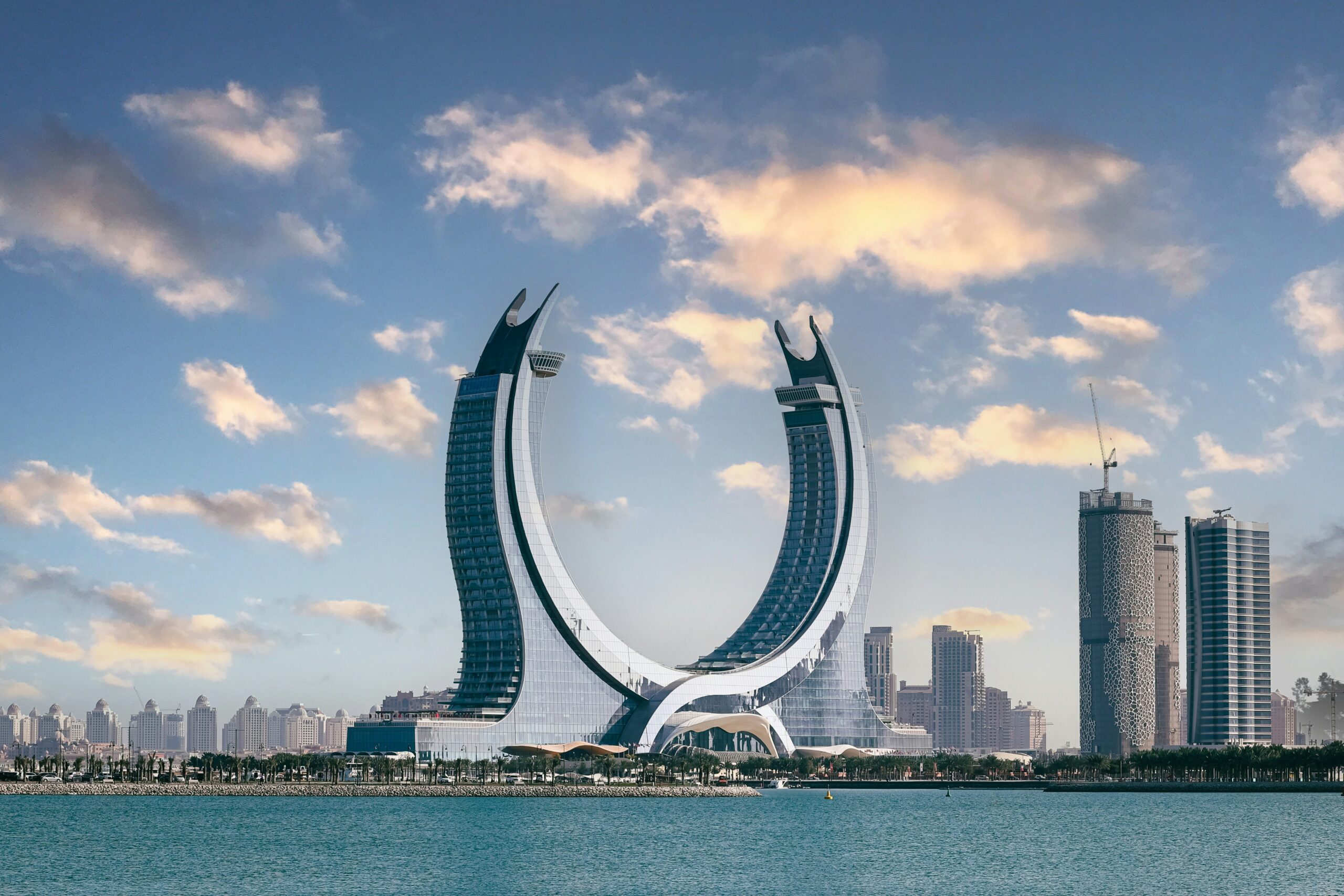
Afghanistan and Pakistan began new peace efforts in Qatar, seeking conditions for lasting stability. They agreed to follow-up meetings in Doha to build a solid peace framework. Both nations accepted an immediate ceasefire through Qatari mediation, the Qatari Foreign Ministry confirmed. Turkish negotiators also played a part in reaching the agreement.
The accord ended a week of intense border clashes that killed dozens and injured hundreds. The nations promised to create systems that will support long-term peace and maintain the truce. Violence had escalated since early October, with both sides blaming each other for aggression.
Escalation and Regional Threats
Pakistan accused Afghanistan of sheltering militants who attack its border regions, a long-standing security concern for Islamabad. Afghanistan firmly rejected those claims. Since 2021, Pakistan has faced a rising wave of militancy along its western border after the Taliban’s return to power. The fighting risked further destabilising an already fragile region where al-Qaeda and the Islamic State group are trying to re-emerge.
Hours after a temporary truce expired on Friday, Pakistan launched cross-border strikes in Paktika province. The operation targeted fighters from the Hafiz Gul Bahadur group. Islamabad said the strikes neutralised dozens of militants and caused no civilian casualties. Officials explained that the attack answered a suicide bombing on a security compound in Mir Ali a day earlier.
Civilian Losses and Political Fallout
Taliban officials claimed the raids killed at least ten civilians, including women, children, and young cricket players near the strike zones. The tragedy led Afghanistan’s cricket board to withdraw from an upcoming event in Pakistan. The International Cricket Council expressed sorrow over the deaths of the three promising Afghan athletes.
Taliban spokesman Zabihullah Mujahid condemned Pakistan’s repeated violations of Afghan sovereignty. He accused Islamabad of deliberately trying to prolong the conflict. Pakistan’s army chief, Asim Munir, urged Afghanistan to prioritise mutual security and progress over extremist ideology. He demanded the Taliban restrain armed proxies operating inside Afghanistan.
The nations share a 2,600-kilometre frontier known as the Durand Line. Afghanistan refuses to recognise it, calling it an unfair colonial-era boundary imposed in 1893. Kabul instead accepts the 1947 borders, which overlap large parts of Pakistani territory. The unresolved dispute continues to fuel cross-border clashes led by tribal and militant factions.
