

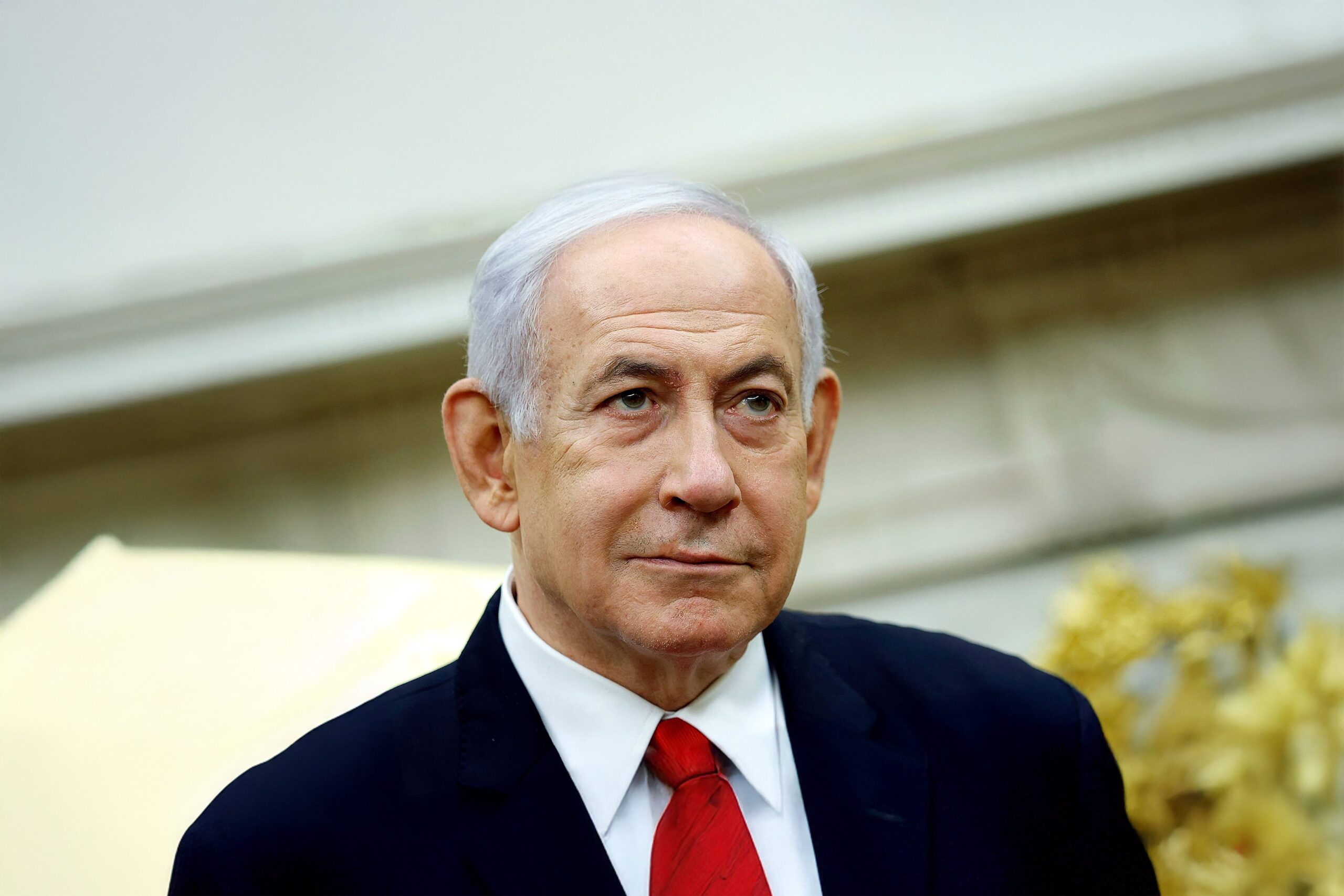
US President Donald Trump and Israeli Prime Minister Benjamin Netanyahu unveiled a far-reaching plan on 29 September to end the prolonged Gaza conflict. The agreement, known as Trump’s 20-point plan, represents the most ambitious diplomatic effort to resolve hostilities between Israel and Hamas. Negotiated with input from regional powers including Egypt, Qatar, and Turkey, the plan outlines a phased approach toward peace, disarmament, and reconstruction.
According to officials, Trump pushed for an immediate end to the war following Israel’s strike on Doha, which violated Qatar’s sovereignty during a failed attempt to eliminate Hamas negotiators. The incident drew strong international condemnation and prompted Trump to pressure Israel for a ceasefire. By this stage, Israel had already achieved its major military objectives in Iran, Lebanon, and Gaza, creating a political opening for negotiations. On 8 October, Trump confirmed that both sides had signed the first phase of the agreement, marking a significant shift in the region’s trajectory.
Phase One: Ceasefire and Immediate Humanitarian Relief
The first stage of the plan enforces an immediate and complete halt to hostilities. All military operations must stop, and frontlines across Gaza are frozen under international supervision. Within 72 hours, Hamas must release all Israeli hostages, both alive and deceased, while Israel must free 250 prisoners serving life sentences and 1,700 detainees captured since the conflict began.
The deal calls for rapid humanitarian intervention to address Gaza’s urgent needs. Aid convoys will deliver food, clean water, and medical supplies under the monitoring of international organisations such as the UN and the Red Crescent. Key border crossings will reopen for humanitarian purposes, allowing thousands of displaced civilians to return to their homes.
Officials in Gaza have reported that over 5,000 public service operations have already begun since the ceasefire took effect. Engineers are working to restore water and sewage systems, hospitals are resuming basic services, and relief teams are clearing rubble to allow for safe civilian movement.
Phase Two: Disarmament and Regional Security Stabilisation
The second phase focuses on demilitarisation and the creation of a secure, stable Gaza. Negotiations will start immediately after all hostages are released. The plan requires the dismantling of Hamas’s offensive weapons infrastructure, including rocket systems, tunnels, and command facilities.
Trump’s administration insists that Gaza must become a “terror-free zone” where militant groups can no longer threaten neighbouring states. Hamas members who agree to peaceful reintegration will receive amnesty, while those refusing will face exile with safe passage guaranteed by the international community.
An international stabilisation force, consisting of US, Arab, and European troops, will deploy along Gaza’s borders to enforce the ceasefire and supervise disarmament. This coalition will also assist in training a new Palestinian security force capable of maintaining order and protecting civilians. Officials expect the deployment to last at least one year, with the aim of preventing a resurgence of hostilities.
The plan also includes intelligence-sharing initiatives between Israel, Egypt, and Jordan to track and prevent arms smuggling. The joint command centre will operate under US oversight to ensure transparency and accountability.
Phase Three: Governance, Reconstruction, and Path to Statehood
The third phase of the agreement addresses long-term governance and rebuilding efforts. A temporary administrative body, composed of Palestinian technocrats and international advisors, will manage Gaza’s civil affairs. This administration will operate under the supervision of a newly formed international organisation called the “Board of Peace.” The board, chaired by Trump, will include global leaders and diplomats, among them former British Prime Minister Tony Blair.
This transitional body will prioritise rebuilding infrastructure destroyed during the conflict—restoring electricity grids, healthcare facilities, housing, and schools. International donors, led by the US, European Union, and Gulf countries, will finance these reconstruction projects. The plan also includes guarantees for transparent fund allocation, monitored by independent auditors to prevent corruption.
Humanitarian agencies will coordinate large-scale aid delivery, ensuring food and medical security for Gaza’s two million residents. Palestinians will receive incentives to rebuild their homes and remain in Gaza rather than emigrate.
The framework envisions recognising Palestine as a state once the Palestinian Authority enacts reforms and demonstrates administrative stability. However, the United States stops short of formally committing to recognition at this stage. Instead, it positions this goal as “the aspiration of the Palestinian people.”
Trump’s plan encourages direct dialogue between Israel and Palestinian representatives to negotiate permanent borders and mutual recognition. The final stage seeks to establish Gaza as a self-governing, demilitarised region under a stable political system that ensures peace with its neighbours.
Netanyahu, while supporting the ceasefire, reiterated on 30 September that Israel would not permit the establishment of a formal Palestinian state under this plan. Despite this, international mediators view the framework as the most detailed roadmap for peace in Gaza since the Oslo Accords, offering cautious optimism for the region’s future.
