

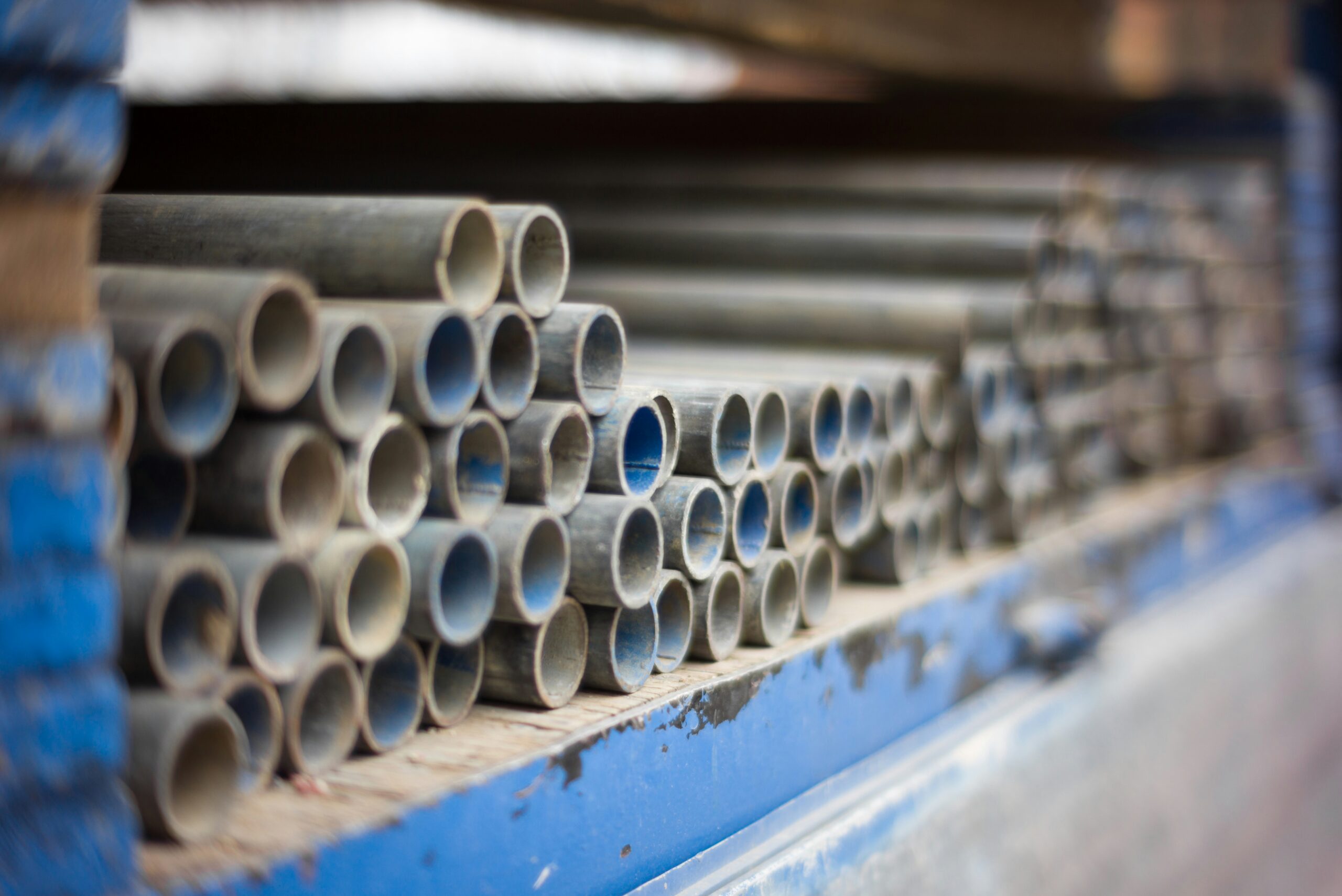
The US imposed 50% tariffs on EU steel and aluminium in June, raising serious concerns across European industries.
Washington now requires importers to prove the origin of steel and aluminium used in finished products.
European companies say this new rule adds costs on top of already punishing baseline tariffs.
Industry Struggles With Complex Origin Rules
The European Automobile Manufacturers’ Association warned that verifying the “melt and pour” origin rule is extremely complex.
Suppliers often lack the necessary data, forcing manufacturers to coordinate across multiple tiers.
The problem grows when a single part fits several tariff categories, such as steel, aluminium, and copper.
In August, the US expanded the tariffs to 407 product categories, including turbines, construction materials, and fire extinguishers.
Financial Pressure Hits Key Sectors
The ACEA reported that many carmakers already feel a “substantial” financial impact, despite some automotive parts being excluded.
Under the August EU-US deal, EU vehicles entering America already face 15% tariffs.
The machine tool sector also reported rising costs, uncertainty, and heavy paperwork linked to origin requirements.
CECIMO, representing European manufacturing technologies, warned these tariffs increase export pressure and weaken competitiveness.
The EU failed to secure exemptions for steel and aluminium in July’s deal but still seeks tariff rate quotas.
