

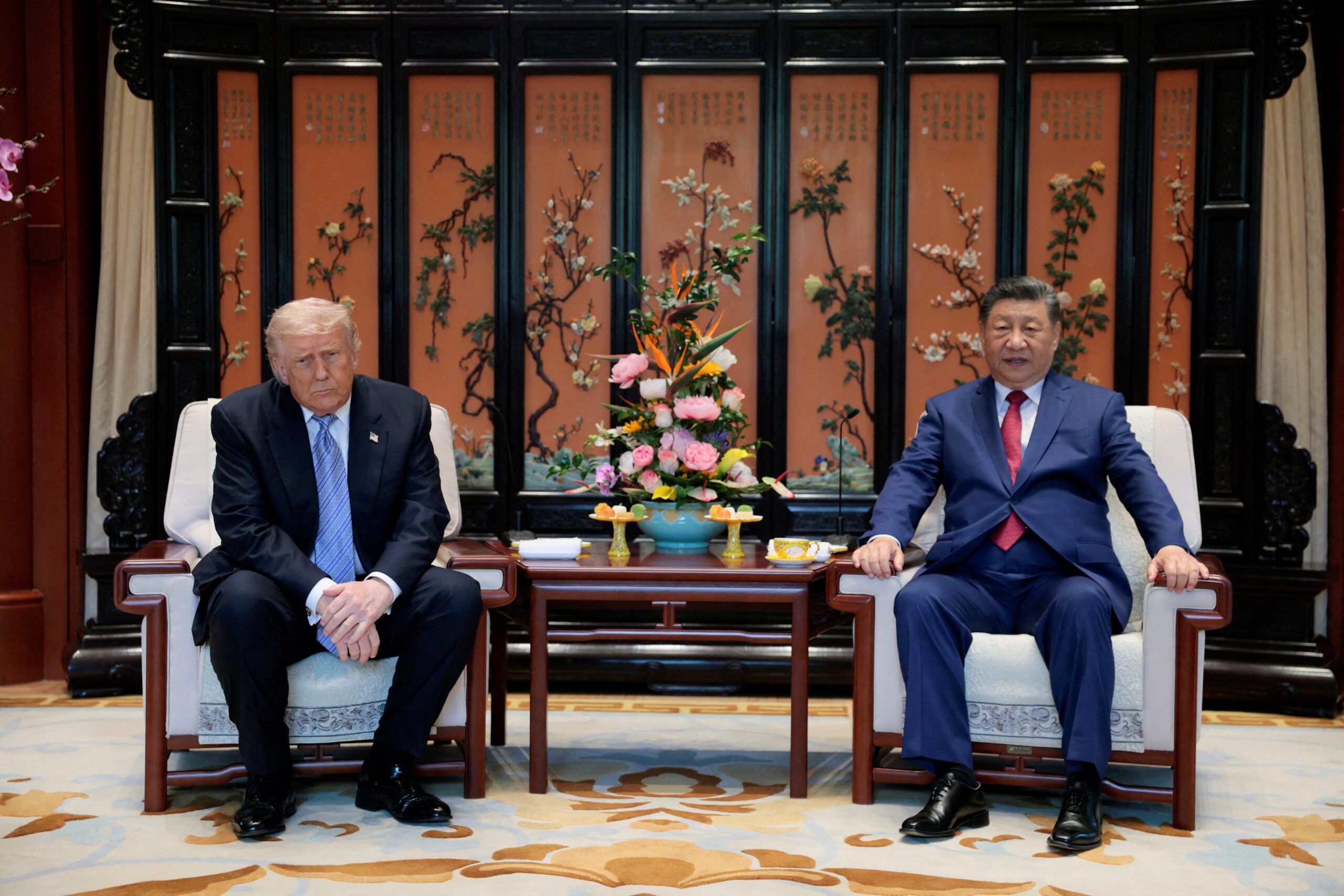
Progress on a new bilateral economic body has ground to a sudden halt ahead of an upcoming leader meeting. The proposed investment initiative was meant to be a primary success coming out of earlier high-level talks. However, recent business feedback indicates the framework will not feature prominently during the next bilateral summit in Washington.
Sean Stein, president of the US-China Business Council, shared these commercial observations publicly. He noted that neither government has actively launched preliminary consultation steps yet. Both sides appear unprepared to engage directly with private sector leaders on specific parameters. Without active dialogue between officials and company executives, quick progress remains unlikely.
The proposed entity aimed to address key investment friction points and promote clearer cross-border rules. Early plans called for routine economic discussions to resolve commercial grievances before they escalated into full trade disputes. Business communities in both nations originally welcomed the idea as a practical tool for market stability. However, official momentum slowed rapidly as wider geopolitical concerns took priority.
Industry observers point to persistent strategic tensions as a main reason for current delays. Both national administrations face internal pressures that complicate quick economic concessions. Western trade officials continue focusing on supply chain security and technology access rules. Meanwhile, eastern policymakers remain cautious about foreign capital requirements and domestic economic protections. These competing national priorities make establishing shared corporate guidelines difficult.
The upcoming summit was widely expected to showcase new economic deliverables to global markets. Business leaders hoped the formal investment board would receive official endorsement and start immediate operations. The current stall suggests that upcoming summit conversations may focus instead on broader stability rather than new commercial mechanisms. Executives now worry that long-standing regulatory hurdles will remain unaddressed for the near future.
Despite current delays, corporate leaders continue pushing both capitals toward open communication channels. Private enterprise associations argue that direct dialogue is essential for global economic growth. Business leaders emphasize that clear investment frameworks benefit both global economies by reducing regulatory confusion. They hope political leaders will revive structured working groups after main summit talks conclude.
For now, the investment board remains stalled in early planning stages. Company executives must wait to see if leaders can overcome diplomatic delays when they meet next month. Until official consultations resume, commercial cross-border operations will continue under current regulatory conditions.
