

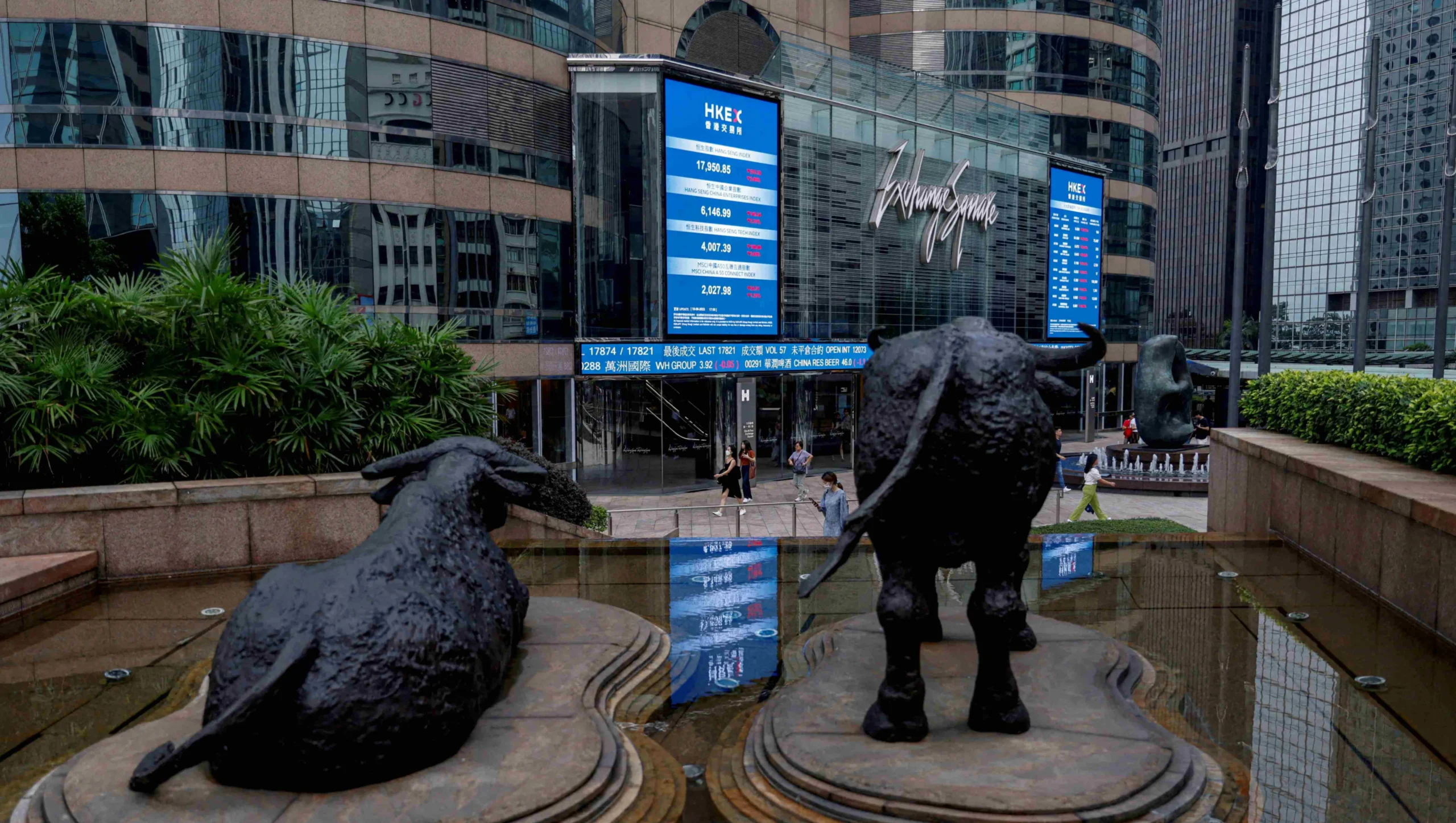
Hong Kong Exchanges and Clearing is leaning towards keeping the stock market’s traditional lunchtime break while considering changes to the opening and closing times. People familiar with the discussions told the South China Morning Post that the exchange does not currently see a clear benefit in removing the one-hour pause in the middle of the trading day. Instead, officials are expected to consider whether the market should begin trading earlier, remain open later or make adjustments at both ends of the day.
The exchange is expected to release a discussion paper as early as next week. The document would invite views on the overall direction of possible changes before a more detailed consultation takes place. The discussions come as international financial markets examine longer trading schedules and the demand for access to shares across different time zones. Hong Kong’s market structure is therefore being reviewed as the city competes with other major financial centres.
The debate is taking place ahead of Nasdaq’s planned move towards 23-hour trading on December 6. Longer trading hours could give investors more opportunities to react to international news and company announcements, but they may also create operational challenges for brokers, banks and market participants. Extending the opening or closing session could affect staffing, settlement arrangements and the way investors manage their positions throughout the day.
Keeping the midday break would preserve a familiar part of Hong Kong’s trading routine while allowing the exchange to explore other ways of increasing market access. The proposal has not yet been finalised, and the expected discussion paper is intended to collect feedback rather than announce an immediate policy change. Any final decision would likely require further consultation with brokers, investors and other market participants. The debate reflects the pressure on global exchanges to modernise their schedules while balancing trading activity, operational costs and the needs of the financial industry.
