

A growing dispute has emerged between the U.S. Department of Transportation and Ford Motor Company after federal officials criticized the automaker’s continued use of Chinese technology and manufacturing partnerships.
The disagreement became public after Transportation Secretary Sean Duffy sent a letter to Ford Chief Executive Officer Jim Farley on September 3, expressing concerns about the company’s business relationships with Chinese firms and their potential impact on American jobs and industrial competitiveness.
In the letter, Duffy said the department remains concerned about Ford’s dependence on technology from China and questioned whether the company is doing enough to support long-term American manufacturing and technological independence.
While acknowledging the intense competition facing automakers in the global market, Duffy argued that Ford’s partnerships with Chinese companies raise broader questions about the future direction of one of America’s most recognizable automotive brands.
According to the letter, federal officials are particularly focused on Ford’s relationship with Contemporary Amperex Technology Co. Limited, commonly known as CATL, one of the world’s largest battery manufacturers.
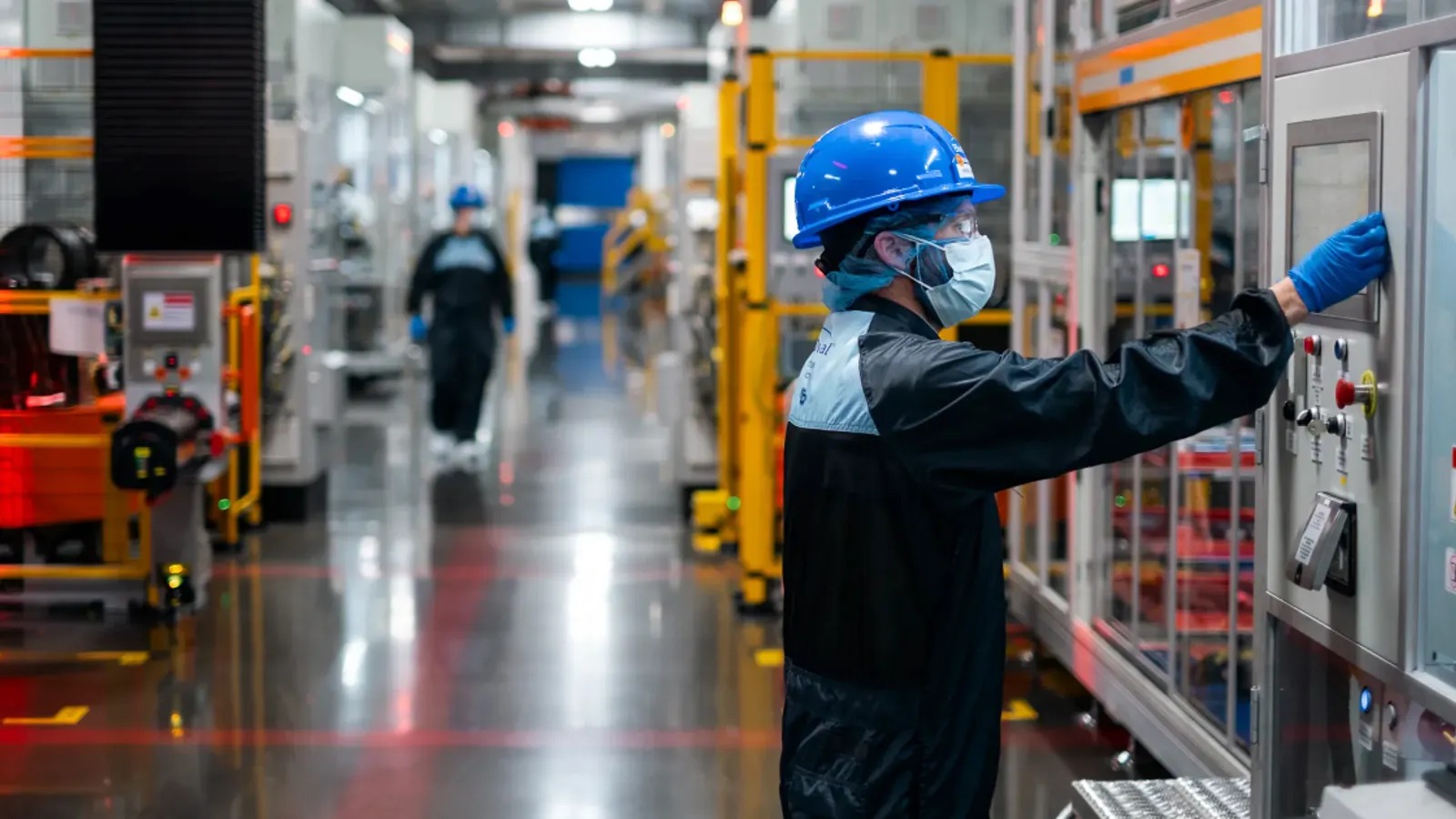
Ford announced in 2023 that it would invest $3.5 billion in BlueOval Battery Park Michigan, a battery production facility located in Marshall, Michigan. The plant is fully owned by Ford, but the company entered into a licensing agreement with CATL to access lithium iron phosphate battery technology and technical services.
The facility is expected to play an important role in Ford’s electric vehicle strategy. Company officials have said battery production is scheduled to begin soon, with the first battery cells expected to be shipped before the end of the year.
Duffy argued that relying on technology from a Chinese company could increase operational dependence on a strategic competitor. He stated that major American companies should focus on strengthening domestic innovation and reducing reliance on foreign technology wherever possible.
The transportation secretary said American automakers are expected to develop clear pathways toward technological self-reliance while supporting domestic jobs and industrial growth.
Ford quickly rejected the criticism and defended its business strategy. The company said it strongly supports efforts to expand American manufacturing and remains committed to investing in the United States.
In its response, Ford emphasized that the agreement with CATL is a limited technology licensing arrangement rather than a joint venture or foreign-owned manufacturing operation. Company representatives said the Michigan facility remains wholly owned and operated by Ford.
The automaker also accused the department of misrepresenting certain aspects of its business relationships. Ford stated that some claims in the letter contained factual inaccuracies and failed to properly distinguish between different partnerships.
One point of disagreement involves Ford’s recently announced cooperation with Chinese automaker Geely. That partnership relates to vehicle production at Ford’s assembly facility in Valencia, Spain.
Duffy argued that the arrangement could help Chinese companies strengthen their position in Western markets. Ford countered that the transportation secretary incorrectly linked the Geely partnership to concerns raised about battery production in Michigan.
The debate also extends to Ford’s Lincoln luxury vehicle division. Currently, some Lincoln models sold in the United States are manufactured in China.
In August, Ford announced plans to gradually end imports of Lincoln vehicles from China by 2030. The move comes as imported vehicles from China face significant tariffs in the American market.
However, Duffy criticized the timeline, arguing that waiting until 2030 leaves the company dependent on Chinese manufacturing for too long. He said the delay could limit opportunities for American workers and reduce the benefits of domestic production.
Ford rejected that criticism as well, describing the department’s position as misguided. Company officials maintain that their strategy balances business realities, global competition, and long-term investment planning.
The dispute reflects a broader debate taking place across the U.S. automotive industry. As automakers race to expand electric vehicle production, many companies face difficult decisions about sourcing batteries, technology, and critical components.
China currently plays a dominant role in global battery production and supply chains. As a result, many manufacturers rely on Chinese expertise and technology while simultaneously seeking ways to increase domestic production capacity.
Government officials have increasingly encouraged companies to reduce dependence on foreign suppliers and strengthen American manufacturing capabilities. Industry leaders, however, argue that global supply chains remain essential during the transition to advanced vehicle technologies.
The disagreement between Ford and the Department of Transportation highlights the challenges facing automakers as they navigate economic competition, national security concerns, and rapidly evolving technology markets.
As electric vehicle production continues to expand, the debate over technology partnerships, supply chain security, and domestic manufacturing is likely to remain a central issue for both policymakers and the automotive industry.
