

China has launched a major financial support initiative aimed at strengthening the capital positions of key state-owned insurers and banks, as authorities move to reinforce stability across the country’s financial system and support long-term economic growth.
The Ministry of Finance will lead a broad recapitalization effort involving approximately 300 billion yuan, equivalent to about $54 billion. The program is designed to improve the financial strength of major institutions and enhance their ability to support economic activity during a period of slower growth and ongoing market challenges.
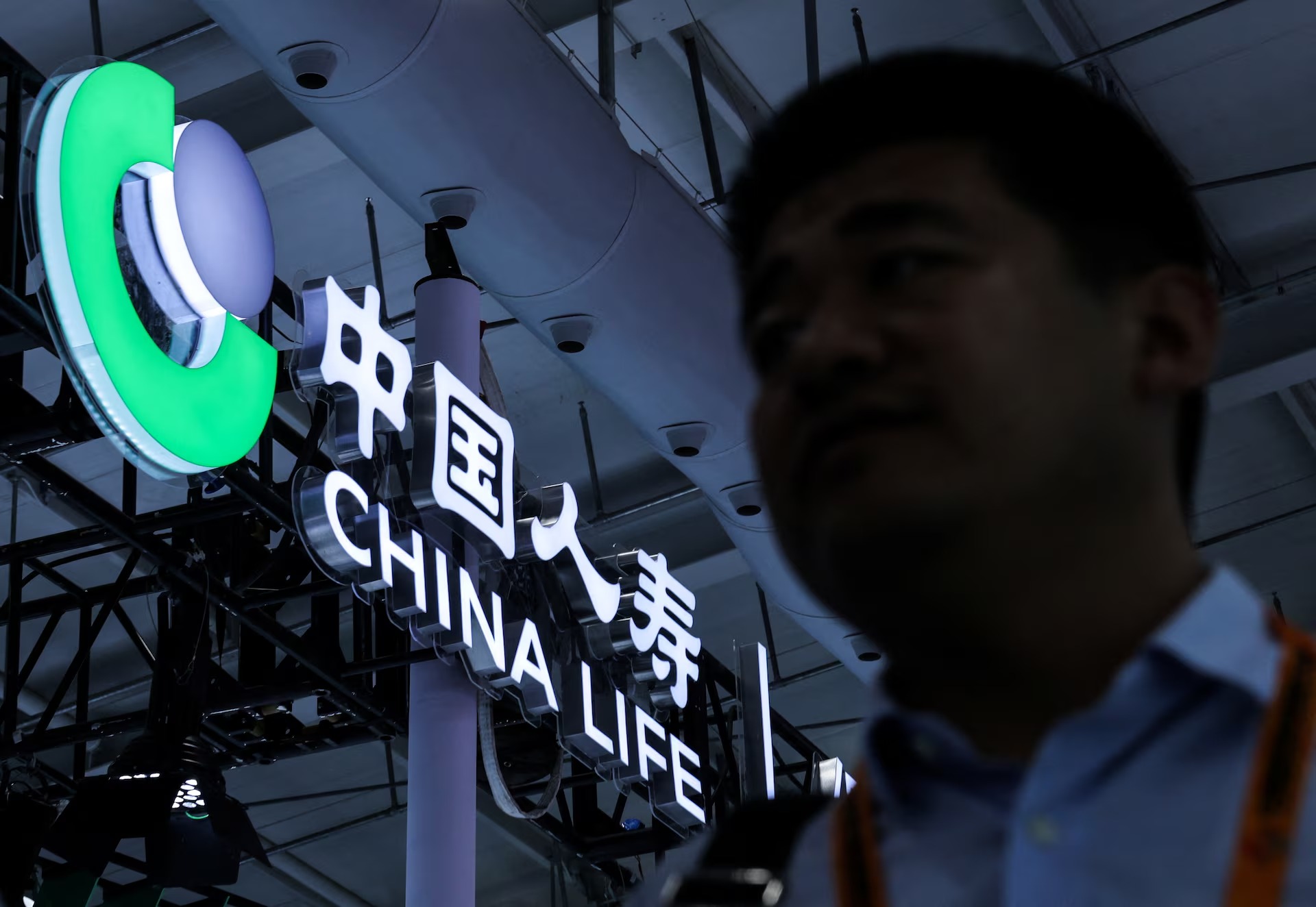
Several of China’s largest insurance companies are among the beneficiaries of the plan. China Life Insurance Group, the country’s biggest life insurer, is set to receive a significant capital injection. Other major insurers, including China Taiping Insurance Group, People’s Insurance Company of China, China Export and Credit Insurance Corporation, and China Reinsurance Group, will also receive support to strengthen their capital bases.
The initiative comes as China’s insurance sector faces increasing pressure from a prolonged low-interest-rate environment. Lower investment returns have affected profitability across the industry, while some smaller insurers have experienced weakening solvency levels and increased financial strain.
Officials believe the capital support will help improve resilience within the sector and provide insurers with greater capacity to manage future risks. It will also enable major state-owned insurance groups to continue playing a role in supporting broader financial and economic objectives.
China Life described the funding as an important measure to strengthen the financial sector’s ability to support the real economy. The company said the additional capital would improve its ability to withstand risks and maintain long-term stability.
China Taiping also stated that the injection would strengthen its solvency position and improve key financial indicators, enhancing its overall operating capacity.
In addition to supporting insurers, Beijing is directing substantial resources toward the banking sector. Three major financial institutions are expected to receive a combined 290 billion yuan in new capital.
Agricultural Bank of China and Industrial and Commercial Bank of China, two of the country’s largest state lenders, announced plans to raise significant funds through private share placements. The proceeds will be used entirely to replenish core Tier 1 capital, a key measure of financial strength used by regulators worldwide.
The recapitalization effort is intended to ensure that large state-owned banks maintain sufficient capital to support lending activities and economic growth. Chinese authorities have increasingly relied on major lenders to provide financing support for businesses, infrastructure projects, and other development priorities.
However, banks have faced challenges from weaker loan demand as economic growth moderates. Lower demand for borrowing has placed pressure on profitability across the banking sector, making capital reinforcement an important policy objective.
The Export-Import Bank of China, one of the country’s leading policy banks, will also receive additional capital support. The funding is expected to strengthen the bank’s balance sheet and enhance its ability to support trade and development initiatives.
The broader recapitalization strategy was first outlined earlier this year as part of government efforts to strengthen financial institutions and maintain confidence in the banking system. The latest measures expand on previous support programs that helped reinforce the capital positions of several large state-owned banks.
Analysts say the initiative reflects Beijing’s determination to safeguard financial stability while ensuring that key institutions remain capable of supporting economic activity. Stronger capital positions provide banks and insurers with greater flexibility to absorb potential losses, manage risks, and continue serving customers during periods of uncertainty.
The move also highlights concerns about challenges facing the world’s second-largest economy. Slower growth, subdued consumer demand, and pressure on financial sector profitability have prompted policymakers to introduce a series of measures aimed at supporting economic momentum.
By strengthening both insurers and banks at the same time, authorities are seeking to reinforce confidence across multiple parts of the financial system. Officials view healthy financial institutions as essential for maintaining credit flows, supporting investment, and promoting sustainable economic development.
Market observers believe the capital injections will improve the resilience of major state-owned institutions and help prepare them for future challenges. The support is also expected to enhance their ability to contribute to national economic priorities while maintaining financial stability.
As China continues to navigate a complex economic environment, the latest recapitalization program demonstrates the government’s commitment to strengthening key financial institutions and ensuring that the country’s banking and insurance sectors remain well-positioned to support long-term growth.
