

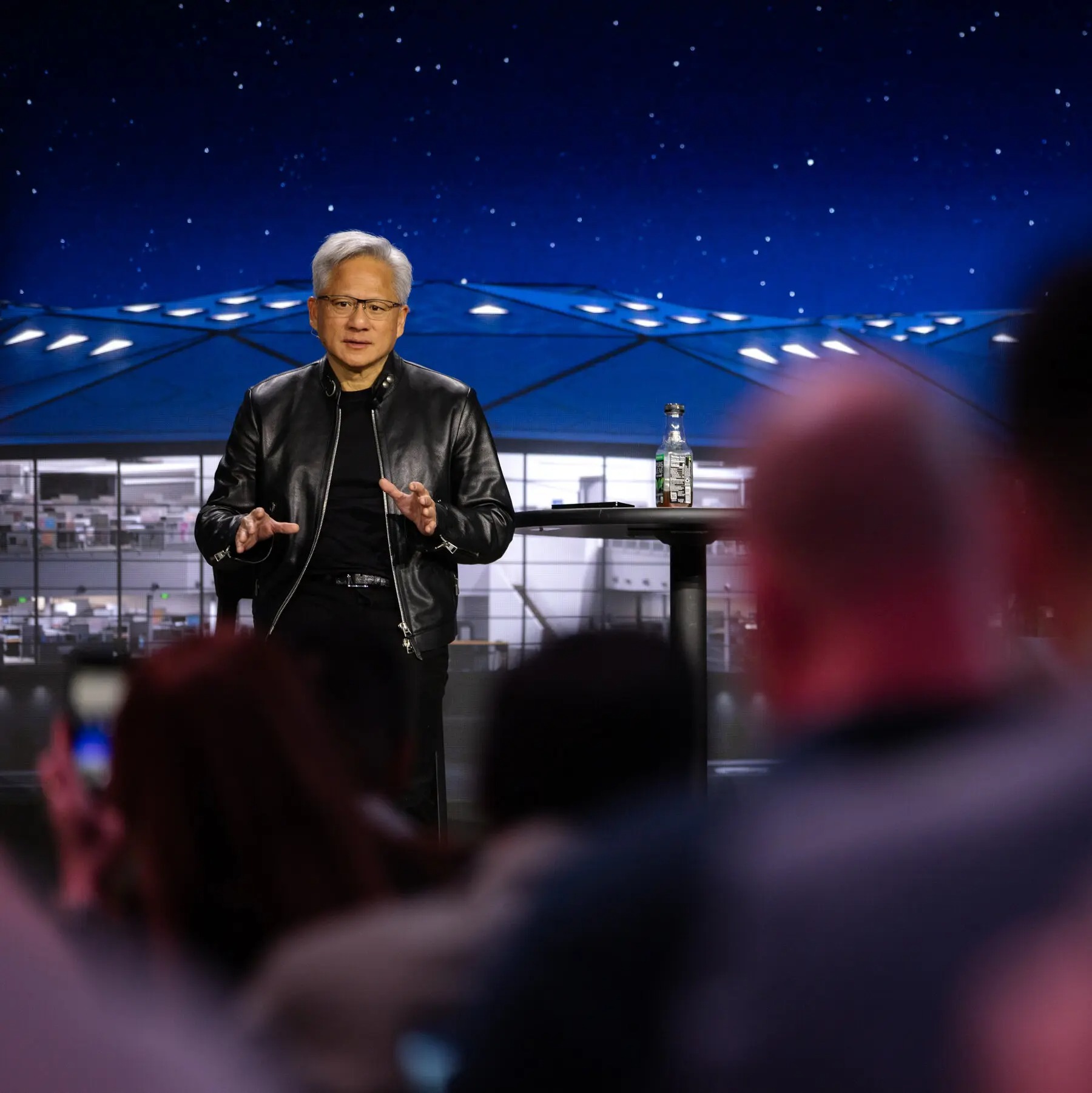
A US intelligence assessment has raised concerns about an alleged Chinese effort to gather information on Nvidia chief executive Jensen Huang. A memo circulated among senior Trump administration officials last spring reportedly identified a Chinese businesswoman, Alice Huang, as an agent working for China’s Ministry of State Security.
According to people briefed on the intelligence, Alice Huang had developed a close relationship with the Nvidia chief. US officials assessed that she had been recruited to collect information about him as part of Beijing’s wider efforts to understand America’s advanced artificial intelligence technology.
The memo and the intelligence assessment have not previously been publicly reported. They provide new details about US concerns over China’s efforts to obtain sensitive business and technology information from American companies.
Nvidia is at the centre of the global competition over artificial intelligence. Its advanced processors are widely sought after because they provide the computing power needed to develop and operate complex AI systems. Demand for the company’s products has also helped drive its business growth and contributed to wider stock market gains in recent years.
Jensen Huang has become an influential figure in the technology industry and maintains close ties with President Donald Trump. His position gives him a central role in discussions about AI development, trade restrictions, and the supply of advanced chips to international markets.
The intelligence described in the memo suggests that China’s Ministry of State Security was interested in learning more about Huang and Nvidia’s business activities. People familiar with the assessment said the agency wanted to understand the company’s technology and potentially influence its position on access to advanced chips for Chinese customers.
The alleged operation reflects broader US concerns about industrial espionage. American officials have long warned that Chinese intelligence agencies seek information about important technologies, business decisions, and research developments.
AI chips have become a major focus of this competition. Advanced processors are essential for training large AI models and supporting the computing systems used by technology companies and governments. Control over access to these products has therefore become an important issue in relations between Washington and Beijing.
The United States has imposed restrictions on exports of some advanced semiconductors to China. These measures aim to limit China’s access to technology that could support its military and strategic capabilities. They have also created pressure on companies such as Nvidia, which must navigate changing rules while serving customers across global markets.
The reported intelligence operation raises questions about whether Beijing sought to influence Nvidia’s approach to these restrictions. According to people briefed on the matter, investigators examined what China hoped to achieve through Alice Huang’s alleged relationship with the company’s chief executive.
However, the available information does not establish whether she obtained confidential company information or successfully influenced any business decisions. It also does not provide details about the full scope or duration of the alleged operation.
The issue has now attracted attention in Congress. On Thursday, Republican leaders of three influential House committees asked Jensen Huang to appear for a closed-door briefing later this month.
The proposed meeting is expected to focus on his interactions with Alice Huang and the circumstances surrounding the intelligence assessment. The request signals that lawmakers want more information about the reported relationship and any possible national security implications.
The two individuals are not related, despite sharing the same surname. The distinction is relevant as lawmakers examine the reported contacts and the claims made by US intelligence officials.
Nvidia has become a major part of the wider debate over technology security. Its products are important to the development of AI systems, while its decisions on exports can have consequences for both American policy and international markets.
The case also highlights the growing importance of personal relationships in national security investigations involving major technology companies. Intelligence agencies are increasingly focused not only on attempts to steal technical information but also on efforts that could provide access to business leaders and influence corporate decisions.
For US officials, the central questions now concern the purpose of the alleged operation, the information Alice Huang may have collected, and whether any effort was made to affect Nvidia’s approach to selling advanced chips to China.
The requested congressional briefing could provide lawmakers with further details. Until then, the intelligence assessment remains an allegation described by people familiar with the memo, rather than a publicly established account of what information may have been obtained.
