

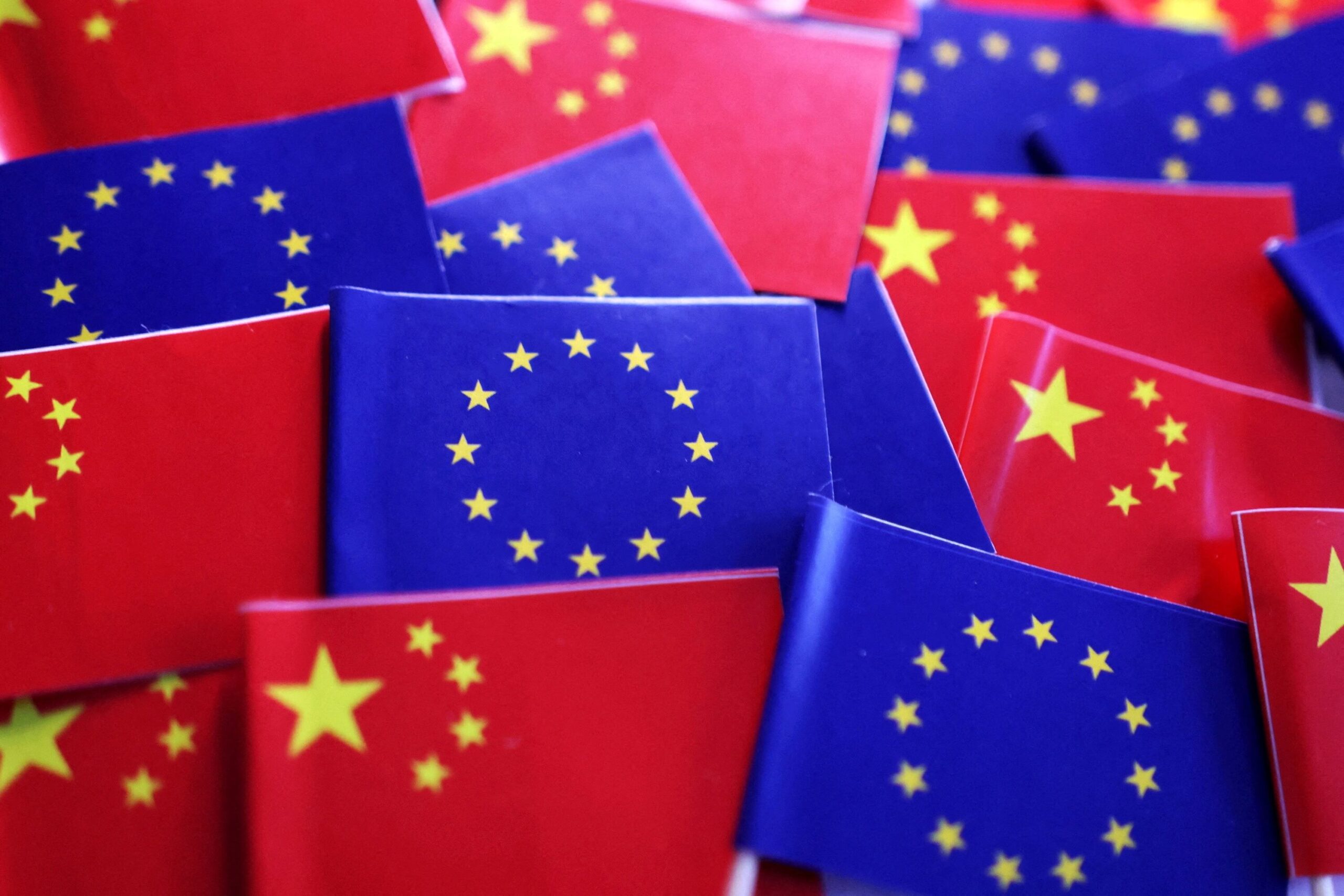
European Union ministers want more talks with China to reduce the bloc’s growing trade deficit. They say dialogue should be the first step in addressing imports of goods such as chemicals and machinery. The EU is also considering measures to protect its plastics industry from rising foreign competition.
The issue was discussed at a meeting of EU trade ministers in Dublin on Friday. Officials said the European Commission should keep working with Beijing to address trade imbalances across several industries.
Irish Foreign Minister Helen McEntee said EU members shared a clear desire to continue talks with China. She said the discussions should now move beyond hybrid vehicles and cover other sectors.
“There’s a very clear desire for us to move beyond that and to look at other areas, chemicals, machinery,” McEntee said. She also mentioned agriculture and food products as areas of concern.
McEntee added that dialogue remained the main priority. However, she said the Commission could also use existing trade defence tools to address some market imbalances.
The comments show how the EU is trying to balance trade with China against pressure to protect European industries. Cheap imports can help consumers manage living costs. At the same time, European producers face challenges when competing with goods that may benefit from state support.
EU Looks Beyond Hybrid Cars
European Trade Commissioner Maros Sefcovic said he had listened to ministers’ views on which industries should receive attention next.
Earlier in October, Sefcovic reached an understanding with Beijing on trade in hybrid vehicles. Under the arrangement, the EU agreed to reduce imports of Chinese hybrid vehicles by more than half. The move was intended to address concerns about the trade gap and support Europe’s struggling car industry.
The EU’s trade deficit with China has become a major concern for European leaders. The bloc imports far more goods from China than it exports to the country.
The daily gap has exceeded €1 billion, according to figures cited in the trade discussions. The wider imbalance has also raised questions about the future of European manufacturing and the bloc’s reliance on imported products.
Ministers now want the Commission to consider other sectors where imports may be putting pressure on local businesses. Chemicals and machinery were among the industries named during Friday’s meeting.
Agriculture and food products may also be included in future discussions. However, officials have not announced a full list of sectors that will face new trade measures.
Plastics May Face New Trade Measures
Plastics appear to be the next sector under review. Sefcovic said the Commission was examining whether the conditions were in place to begin a safeguard investigation.
He described plastics as the sector closest to a possible investigation. Such a process could lead to measures designed to limit the impact of rising imports on European producers.
The review appears to relate to polyethylene terephthalate, commonly known as PET. This plastic is widely used in bottles, food containers and other packaging products.
Earlier in October, lawyers said several EU countries had submitted a request for measures to curb PET imports. The Commission is now assessing whether the request meets the requirements for an investigation.
Any decision will depend on the evidence and the applicable EU trade rules. Officials have not yet confirmed that new restrictions will be introduced.
China’s Cheap Exports Add to Pressure
China has a large supply of manufactured goods that its domestic consumers may not be able to absorb. Export markets therefore remain important for Chinese producers, including companies that sell goods at relatively low prices.
For the EU, these imports present both benefits and risks. Lower prices can reduce costs for households and businesses. But European manufacturers may struggle to compete if imported goods are significantly cheaper.
The EU’s goods trade deficit with China exceeded €370 billion in 2025. It is expected to rise beyond €400 billion this year if current trends continue.
European Commission President Ursula von der Leyen has described the situation as “unsustainable.” Her comments reflect growing concern among EU leaders about the long-term effects of the trade imbalance.
The bloc now faces the challenge of responding without damaging its wider economic ties with China. Continued dialogue could help both sides address disputes, while trade defence measures remain an option if negotiations do not resolve specific concerns.
For now, EU ministers have backed further talks with Beijing. The next steps may focus on plastics, while chemicals, machinery and other industries remain under discussion.
