

Hong Kong’s life insurance market reached a new record in the first half of 2026. New policy sales rose 58 per cent to HK$275.16 billion, up from HK$173.7 billion in the same period last year. Strong demand from local residents and wealthy overseas customers helped drive the rise. However, tighter tax rules in mainland China may slow sales in the second half.
Data released by Hong Kong’s Insurance Authority on Friday showed that first-half sales had reached a record for the fourth year in a row. Buyers have continued to use Hong Kong insurance products for health cover, financial protection and wealth planning. Some also use these policies to plan how their assets will pass to family members.
Hong Kong has built a strong role as an international insurance and wealth management centre. Its market attracts customers from mainland China and other parts of Asia. Many buyers seek products that meet their long-term financial needs, including medical care, retirement and family wealth planning.
However, new tax measures in mainland China may affect demand from some buyers. Beijing has increased its focus on cross-border investments and overseas income. These changes have raised questions about the cost and returns of insurance products bought outside mainland China.
Kenrick Chung Kin-keung, chief executive of Hong Kong-based insurance broker Equator Asset Protection, said the market could face challenges in the second half of the year. He said stricter tax enforcement on overseas insurance gains may cause some mainland visitors to reconsider buying policies in Hong Kong.
Chung added that some customers may still choose Hong Kong products because they believe these can offer better returns than insurance policies available on the mainland, even after taxes. The final choice will depend on each buyer’s financial goals, policy terms and tax obligations.
The tax changes come as Chinese authorities seek closer control over money moving across borders. Tighter checks on overseas investments and financial accounts may make it harder for some people to move funds abroad. These measures could affect the flow of private wealth into Hong Kong’s insurance market.
Despite these concerns, major insurers remain focused on customer demand. Wilton Kee Wing-tao, chief executive of Manulife Hong Kong and Macau, said the city’s position as an international insurance and wealth management hub continued to support market growth.
Kee said customers have a wide range of needs, including health protection, retirement planning and wealth management. He said insurers can help people protect their finances and prepare for different stages of life.
Manulife has expanded its medical specialist network sixfold to more than 1,200 experts, according to Kee. The company has also agreed to work with Ant Health to develop healthcare and wellness services. These efforts show how insurers are expanding beyond traditional policies to offer more support for customers.
HSBC Life held the largest share of new life insurance sales in Hong Kong during the first half. Insurance Authority data put its market share at 24 per cent. The insurer, part of HSBC Holdings, has also led the market over the past four years when measured across full years.
Daisy Tsang, chief executive of HSBC Life Hong Kong and Macau, said demand from local residents and visitors had supported sales growth. The company issued new policies to customers in more than 50 markets, most of them in Asia.
Tsang said overseas customers could become a more important source of future growth. She pointed to rising wealth and an ageing population across Asia as factors that may increase demand for insurance and financial planning.
Insurers are also working more closely with family offices and brokers to reach wealthy customers. These buyers often use insurance to protect assets and plan how wealth will be passed on to future generations.
The Insurance Authority has not released separate figures for mainland visitors since last year. It said it was reviewing how to identify these customers alongside other overseas buyers. This makes it harder to measure the exact role of mainland visitors in current sales growth.
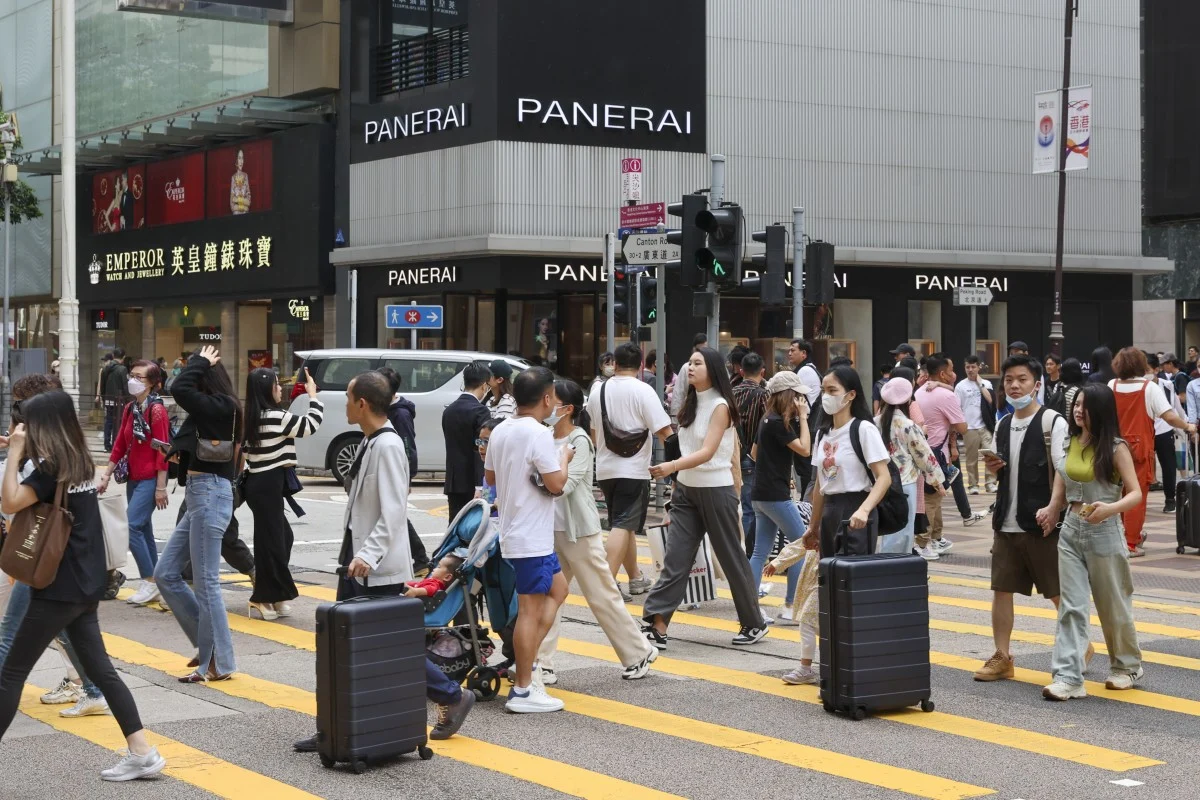
However, industry figures say mainland customers remain important to Hong Kong’s insurance sector. Hong Kong received 26.7 million visitors in the first half of 2026, a 13 per cent increase from the same period a year earlier. The Hong Kong Tourism Board said 77 per cent of these visitors came from mainland China.
The record sales show continued demand for Hong Kong insurance products. Yet tighter tax enforcement could change buying decisions in the months ahead. Insurers will need to respond to changing rules and customer needs as they seek to maintain growth in the second half of 2026.
