

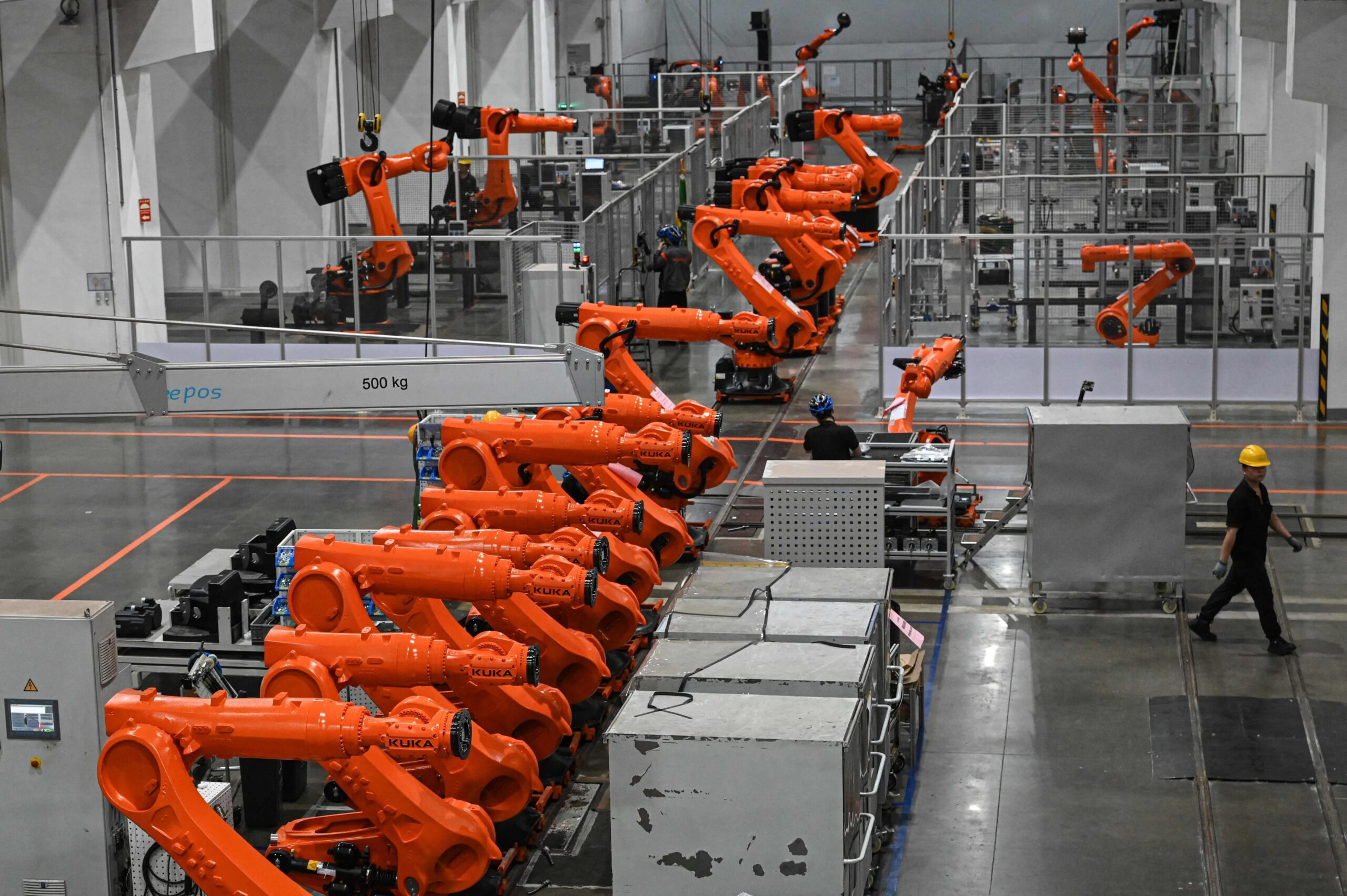
China’s economy is expected to grow at a slower pace over the next two years as weak domestic demand and fading export momentum continue to challenge the world’s second-largest economy, according to a new report from a leading economic research institution.
The latest Global Economic Prospects report forecasts that China’s gross domestic product will expand by 4.6 percent in 2026 and 4.3 percent in 2027. Those figures represent a gradual slowdown from the 5 percent growth recorded in 2025.
The report suggests that while the global economy remains relatively resilient, China is facing a different set of pressures that could limit future expansion.
Economists point to several factors behind the expected slowdown. Among the most significant are weak consumer demand, continued problems in the property sector and excess industrial capacity in parts of the economy.
These challenges have weighed on business confidence and household spending, making it more difficult for growth to regain stronger momentum.
The property market remains a major concern.
For years, real estate activity played a central role in China’s economic expansion. However, the sector has faced a prolonged downturn, affecting developers, investors and consumers.
Lower property investment has reduced economic activity across a range of industries connected to housing construction and development. Analysts believe the effects of the slowdown continue to be felt throughout the broader economy.
At the same time, concerns about overcapacity have increased.
Overcapacity occurs when industries produce more goods than markets can absorb. This can place pressure on prices, reduce profitability and create challenges for manufacturers.
The report notes that these conditions are contributing to weaker domestic demand and limiting the economy’s ability to accelerate growth.
Exports have helped support China’s economy in recent years. Strong overseas demand provided an important source of growth while domestic conditions remained uneven.
However, economists now expect that support to become less significant.
The report predicts that export strength will gradually fade, removing one of the key drivers that helped sustain economic activity. Slower growth in export demand could place additional pressure on businesses that depend heavily on international markets.
Despite concerns about China’s outlook, the report presents a more positive view of the broader global economy.
Global growth is expected to remain relatively stable, supported by resilient consumer spending, investment activity and continued economic expansion in several major markets.
This contrast highlights the unique challenges currently facing China as it seeks to balance domestic economic reforms with changing global conditions.
Many policymakers have introduced measures aimed at supporting growth, encouraging investment and stabilizing financial markets. Efforts have also focused on boosting consumer confidence and improving conditions in the property sector.
However, analysts say it may take time before those measures produce stronger results.
Businesses and investors continue to watch closely for additional policy actions that could support economic activity. Market participants are particularly interested in steps designed to strengthen household spending and address structural weaknesses within the economy.
The outlook also reflects growing attention on the long-term drivers of growth.
Economic expansion is increasingly tied to productivity improvements, technological innovation and investment in emerging industries. Policymakers are seeking ways to strengthen these areas while reducing dependence on traditional growth engines such as property development.
Long-term economic growth often depends on expanding productive capacity and improving efficiency across the economy.
The visualization above illustrates how productivity gains and increased economic capacity can support sustainable growth over time by expanding an economy’s potential output.
Economists believe that maintaining growth will require continued progress in these areas as China adapts to changing domestic and international conditions.
The China Economic Growth Outlook suggests that the country will remain an important contributor to global economic activity, but at a slower pace than in recent years. While exports are expected to provide less support and domestic demand remains under pressure, policymakers continue to pursue strategies aimed at strengthening long-term growth.
As investors, businesses and governments monitor economic developments, the focus will remain on whether policy measures can successfully address structural challenges and help stabilize growth in the years ahead.
