

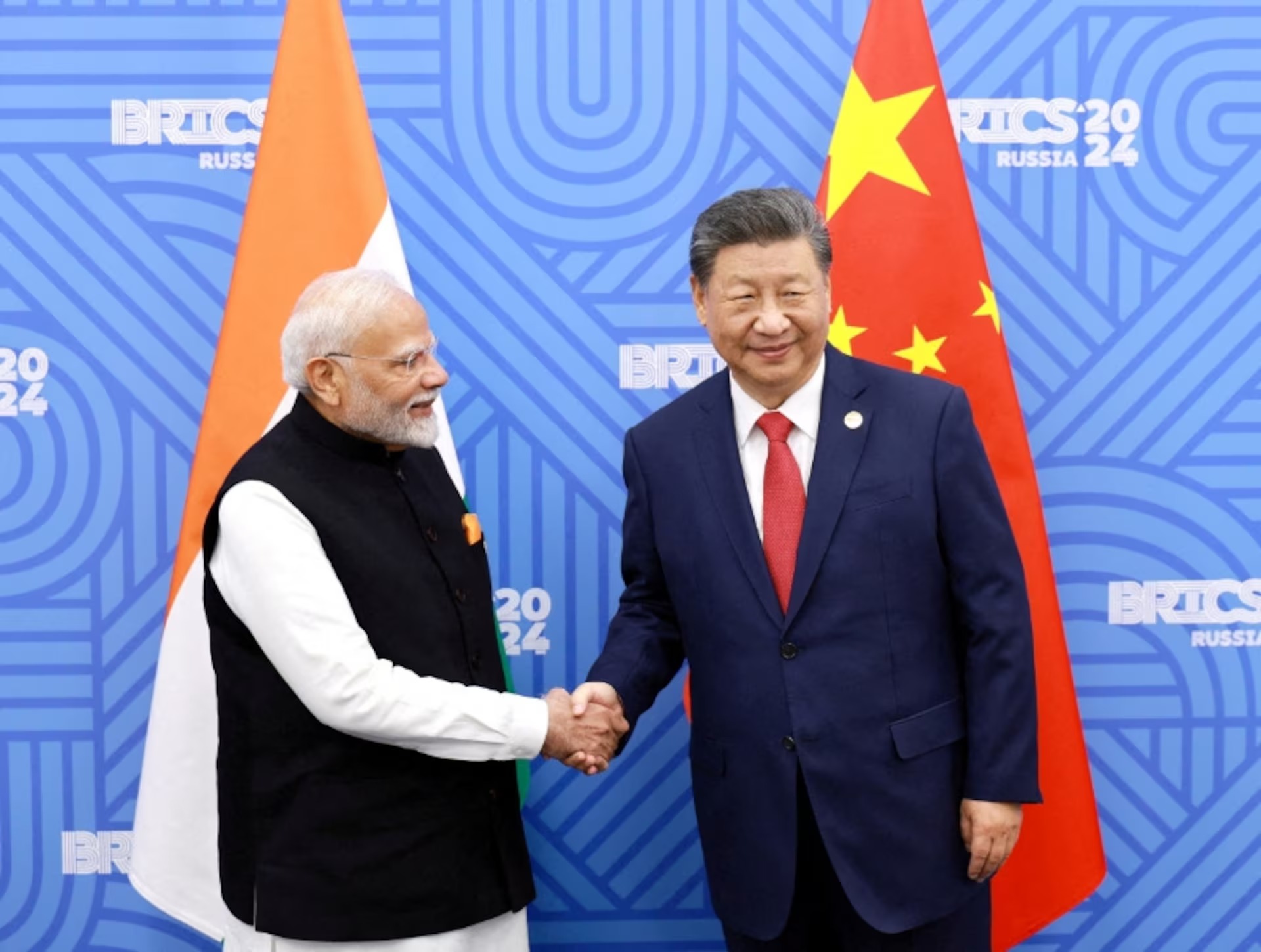
Chinese President Xi Jinping is expected to visit India this week for the first time in seven years, marking a significant moment in the gradual improvement of relations between Asia’s two largest economies. However, despite recent diplomatic progress, major challenges continue to limit deeper economic cooperation.
The anticipated visit comes as India prepares to host the annual BRICS summit in New Delhi. Although Chinese authorities have not formally confirmed Xi’s attendance, expectations remain high that he will participate in the gathering alongside other leaders from the emerging economies group.
Diplomatic observers are closely watching whether Xi and Indian Prime Minister Narendra Modi will hold a bilateral meeting during the summit. Such talks could play a key role in shaping the future direction of relations between the neighboring powers.
India and China share one of the world’s most complex relationships. The two countries fought a brief war in 1962, and tensions remained high for decades. Relations deteriorated further after a deadly border clash in 2020 that resulted in the deaths of 20 Indian soldiers and four Chinese troops.
Despite those tensions, both governments have worked to rebuild communication channels in recent years. Relations improved after Modi visited China last year, while both countries have also adjusted to changing global political and economic conditions.
Analysts say there is growing interest on both sides in stabilizing ties. However, significant trust issues remain, particularly in the economic sector.
Experts note that businesses continue to face numerous obstacles. Investment proposals, visa approvals, technology transfers, and equipment shipments remain subject to restrictions and delays. These barriers have limited the pace of economic recovery despite warmer diplomatic engagement.
Chinese and Indian trade relations remain important because of the size of both economies. Yet business leaders continue to report difficulties in securing approvals and expanding operations across borders.
In March, India eased some restrictions on Chinese investment that had been introduced after the 2020 border clashes. The policy changes focused on sectors such as electronics, capital goods, and solar technology.
New Delhi has also explored faster approvals for selected joint ventures involving Chinese and Indian companies. Some projects have already received approval, including a manufacturing partnership between an Indian electronics company and a major Chinese smartphone producer.
However, several major Chinese firms have not resumed previously planned investments in India. Industry observers say heightened regulatory scrutiny and ongoing uncertainty continue to influence corporate decisions.
At the same time, reports indicate that some Chinese authorities have increased oversight of investments involving advanced manufacturing and high-technology sectors. This has added another layer of complexity to efforts aimed at strengthening business ties.
Indian officials have also maintained a cautious approach toward projects involving sensitive technologies. National security concerns remain an important factor in policy decisions affecting foreign investment and technology partnerships.
Recent reports indicate that some proposals involving digital payment systems and telecommunications companies continue to face regulatory review. These developments highlight the ongoing balancing act between economic cooperation and strategic concerns.
Trade challenges have also emerged in the movement of equipment and industrial components. Business representatives say some products needed for infrastructure, electronics, and renewable energy projects have experienced delays.
Industry sources report that certain machinery shipments have remained stalled for extended periods, creating uncertainty for companies involved in major development projects.
Visa issues have become another concern. Although India and China resumed direct flights and eased some travel procedures last year, business travelers continue to report difficulties obtaining approvals in certain cases.
Analysts believe these obstacles demonstrate that political engagement and commercial cooperation are moving at different speeds. While leaders have shown interest in improving relations, businesses are still waiting for practical changes that would make cross-border operations easier.
Many experts argue that a direct meeting between Xi and Modi could help address some of these concerns. High-level discussions often provide opportunities to resolve long-standing issues and establish new frameworks for cooperation.
Economic specialists say both countries have strong reasons to pursue a more stable relationship. China remains a major manufacturing power, while India continues to grow as one of the world’s fastest-expanding large economies.
Supporters of closer ties believe stronger cooperation could benefit trade, investment, technology development, and regional stability. However, they also acknowledge that rebuilding confidence will take time.
As leaders prepare for the BRICS summit, expectations remain measured. While dramatic breakthroughs appear unlikely, the visit could represent another step in the gradual normalization of relations.
For both nations, the challenge remains clear. Diplomatic engagement has improved, but translating political goodwill into stronger economic cooperation will require sustained effort, greater trust, and practical solutions to the barriers that continue to affect businesses on both sides of the border.
