

China has emerged as a central factor in the latest United States effort to increase economic pressure on Iran, creating a new source of tension between Washington and Beijing ahead of a closely watched meeting between the leaders of the world’s two largest economies.
The issue gained attention after U.S. Treasury Secretary Scott Bessent announced a new sanctions initiative known as Operation Economic Outcast. The program aims to increase pressure on countries and companies that continue doing business with Iran despite existing restrictions.
Although China was not directly named during the announcement, analysts widely view Beijing as one of the most important players in determining whether the initiative can achieve its goals.
China remains one of Iran’s largest economic partners and a major buyer of Iranian oil.
For years, Chinese companies have continued purchasing Iranian crude despite U.S. sanctions. Energy trade between the two countries has provided a vital source of revenue for Tehran and helped support its economy during periods of international pressure.
As a result, any effort to reduce Iran’s economic activity is likely to depend in part on China’s willingness to adjust its trade relationships.
Beijing has responded firmly to the latest U.S. position.
Chinese officials rejected the use of unilateral sanctions and defended the country’s right to maintain normal economic relations with other nations. Government representatives argued that economic pressure and sanctions risk increasing global tensions while disrupting international trade and financial stability.
China also signaled that it would take steps to protect its economic interests if new restrictions affect Chinese businesses.
The disagreement comes at a sensitive moment in U.S.-China relations.
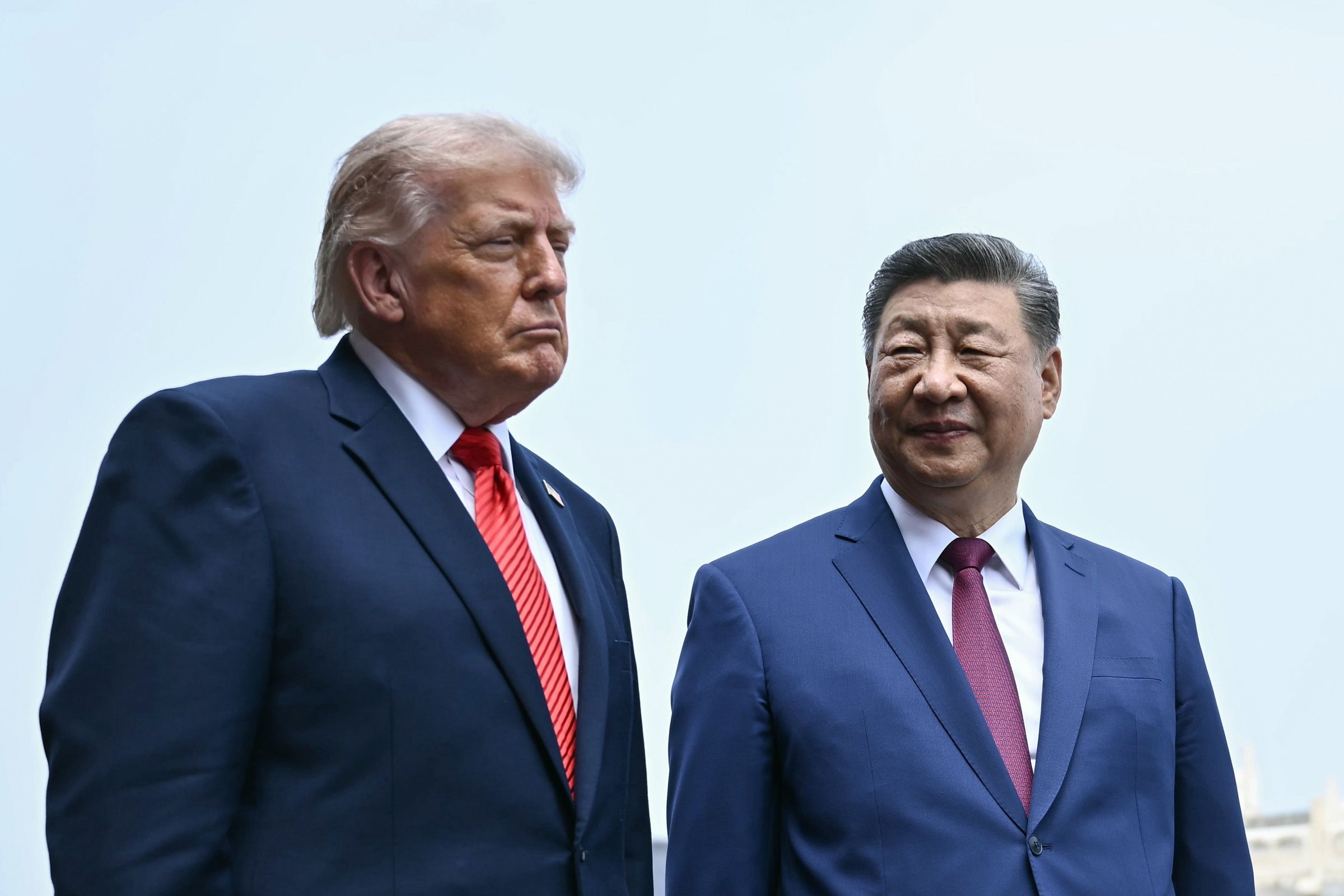
Chinese President Xi Jinping is expected to visit the United States next month for a highly anticipated summit with President Donald Trump. The meeting is expected to address a range of issues, including trade relations, economic cooperation, and regional security concerns.
Both governments are also working to preserve a trade truce that is scheduled to expire later this year.
Because of these broader diplomatic priorities, analysts believe both sides may seek to avoid actions that could trigger a major escalation before the summit takes place.
Even so, Washington continues to examine ways to increase pressure on Iranian trade networks.
Experts note that Iranian oil exports to China often move through complex commercial systems involving independent refineries, shipping networks, and financial arrangements designed to reduce exposure to international sanctions.
These structures have made enforcement efforts more difficult.
At the same time, analysts say some businesses involved in these transactions may still maintain indirect links to larger Chinese companies that operate within the global financial system.
This creates potential pressure points that U.S. policymakers could target if they choose to expand sanctions enforcement.
However, such measures carry significant risks.
China remains deeply integrated into the global economy and holds considerable influence in key industries and supply chains. Any major sanctions targeting large Chinese financial institutions could trigger a wider economic dispute between the two countries.
Market observers warn that such a confrontation could affect global trade, investment flows, and economic growth.
Chinese analysts have also argued that allowing another country to dictate commercial relationships with third-party nations would create a precedent Beijing is unlikely to accept.
As a result, there appears to be limited support within China for complying with broad U.S. demands regarding trade with Iran.
Despite the disagreement, some experts believe there may still be room for cooperation.
Both China and the United States have an interest in maintaining stability in the Middle East and ensuring the uninterrupted flow of global trade. Shipping routes, including those linked to the Strait of Hormuz, remain important to international energy markets and economic activity.
Recent disruptions have highlighted the importance of regional stability for both governments.
Analysts suggest that Beijing could take limited steps to encourage restraint or gradually reduce certain trade activities without publicly endorsing U.S. sanctions.
Such an approach could help ease tensions while allowing China to maintain its long-standing position against unilateral restrictions.
The China Iran Trade Tensions issue is expected to remain a key topic in international diplomacy over the coming months. As Washington seeks stronger enforcement measures and Beijing defends its economic interests, the outcome could influence global energy markets, U.S.-China relations, and broader efforts to address instability in the Middle East.
