

Hong Kong shares of Alibaba fell sharply on Monday after the Chinese tech group priced a major share sale to fund its push into artificial intelligence.
Alibaba said the deal will raise HK$80 billion, or about US$10.2 billion. The company priced 710 million new shares at HK$112.70 each. That price was 8.4 percent below Alibaba’s Friday closing price.
The new shares will be used to support AI work and related data and computing systems. Alibaba is seeking to expand its AI products as demand for cloud and AI services grows.
Alibaba shares fell as much as 10 percent in early Hong Kong trading on August 24. The fall showed that some investors are worried about the cost of the plan. New shares also reduce the ownership share of existing investors.
The deal is a major move for Alibaba. It is the largest primary follow-on share sale by a company listed in Hong Kong. It is also among the biggest share offerings in the world this year.
The move comes at a key time for Alibaba. The company has been spending more money on AI as it faces strong competition in China’s fast-growing technology market. It also faces pressure to show that large AI costs can lead to higher sales and profit.
Alibaba recently reported a sharp fall in quarterly net profit. Profit dropped about 75 percent from a year earlier. The company said higher AI-related spending was a major reason for the decline.
The company has also brought forward its expected payback period for AI investment. It now expects to recover the cost in about two and a half years. Earlier, it had expected a three-year period.
Alibaba plans to use the new funds for what it calls full-stack AI work. This includes computing power, data systems, models and other tools needed to build and run AI services.
The company is also growing its cloud business. Alibaba Cloud is a key part of its AI plan because AI services need large amounts of computing power and data storage.
The share sale has raised a wider question for investors. Many technology firms are spending huge sums on AI. Yet it can take years before those investments create strong returns.
Alibaba is betting that demand for AI services will make the cost worthwhile. The company says demand is rising and has used that growth to justify its higher spending plan.
Still, the market reaction shows that investors want proof. A large share sale can give a company more money to invest, but it can also put pressure on the stock in the short term.
Alibaba said the funds will help speed up its AI development. The company is trying to build stronger links between its e-commerce, cloud and AI businesses.
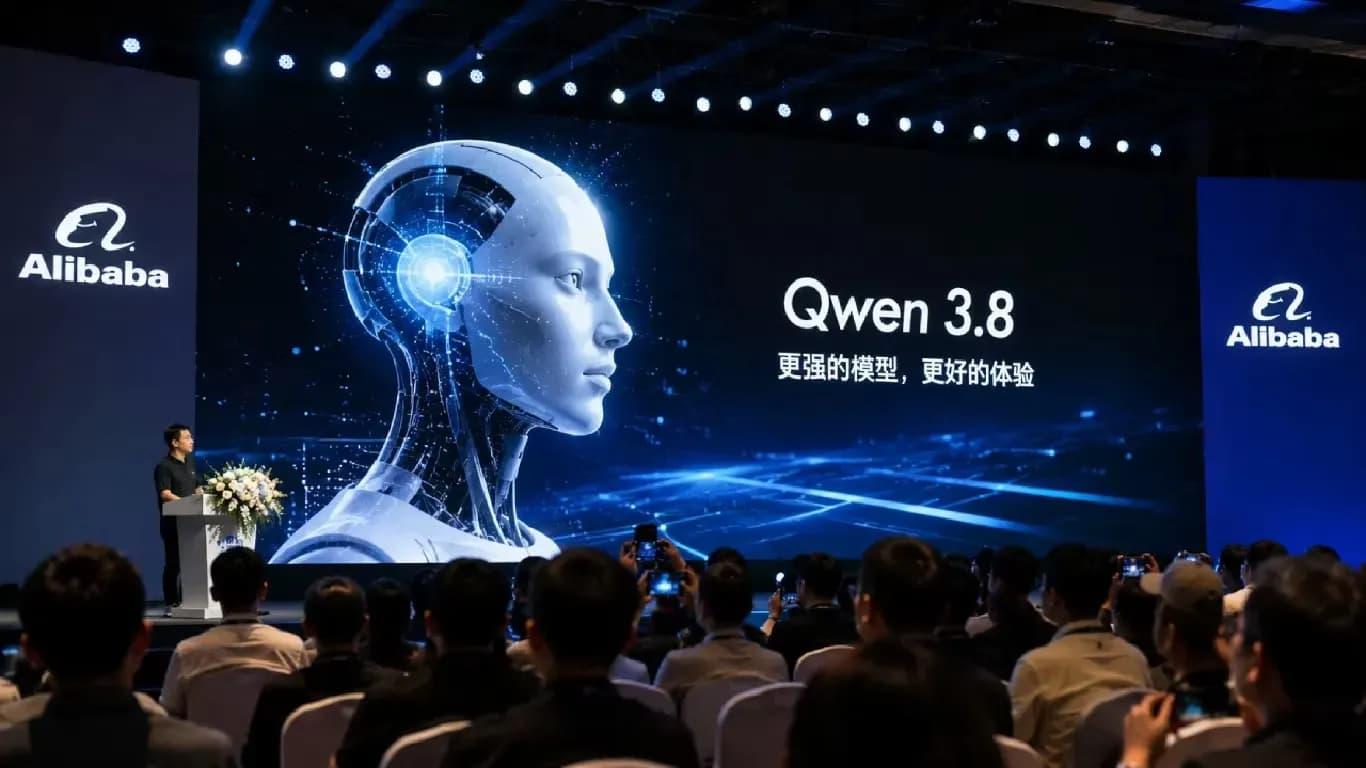
The move also comes as Chinese technology firms compete more closely in AI. Alibaba has developed its Qwen family of AI models and is investing in the systems needed to support them.
For Hong Kong, the deal is also notable because of its size. Large technology fund-raising deals can increase trading activity and help deepen the city’s role as a major market for Chinese companies.
The next test will be whether Alibaba can turn its AI spending into lasting growth. Investors will watch its cloud sales, AI demand, profit and cash flow in the coming quarters.
For now, the sharp share drop shows the market is cautious. Alibaba has secured a large pool of new capital, but it must now show that its AI strategy can deliver value over time.
The scale of the fund raise also matters. It gives Alibaba fresh cash at a time when AI costs are rising across the sector. But the deal means the company must make careful use of that money.
Investors will also look at how fast Alibaba can grow its AI and cloud sales. Strong sales could help ease concern about high costs. Weak growth could keep pressure on the stock.
Alibaba now has a clear task. It must turn a huge AI bet into better products, more users and stronger returns. The coming results will show whether the plan can meet that goal.
