

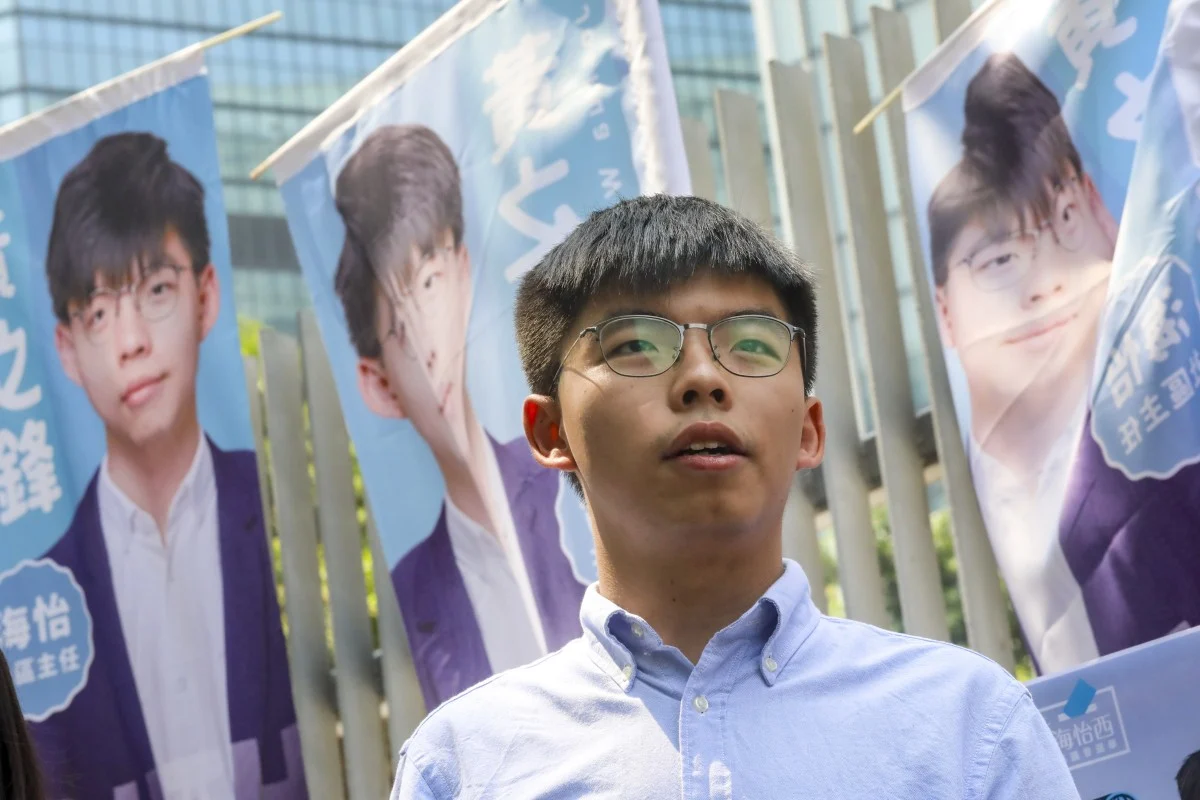
Hong Kong activist Joshua Wong is expected to plead guilty to a national security charge linked to an alleged conspiracy to collude with foreign forces. The High Court has scheduled a plea and sentencing hearing for September 2, according to information published on the judiciary’s website.
The hearing marks the latest development in one of Hong Kong’s most closely watched national security cases. Wong, 29, is currently serving prison sentences in separate legal cases and now faces an additional charge under the national security law introduced in Hong Kong in 2020.
According to court records, Wong is accused of conspiring with a former lawmaker who is now living outside Hong Kong. Prosecutors allege the conspiracy took place in 2019 during a period of large-scale protests and political unrest in the city.
The listing of both a plea and sentencing hearing suggests that Wong intends to admit the charge. However, the court has not yet publicly announced the venue for the hearing or identified the judge who will preside over the case.
The charge falls under Hong Kong’s national security law, which was introduced by Beijing in June 2020. The legislation created new offenses involving secession, subversion, terrorist activities, and collusion with foreign forces. Authorities have said the law is necessary to restore stability and safeguard national security.
Under the law, the offense of conspiracy to collude with foreign forces carries a maximum penalty of life imprisonment. The final sentence in any individual case depends on factors considered by the court, including the circumstances of the offense and any mitigating or aggravating factors presented during the proceedings.
Joshua Wong became internationally known as a student activist during Hong Kong’s pro-democracy movement. He later co-founded political organizations that advocated for greater democratic participation and civil liberties in the city. Over the years, he has been involved in several high-profile legal cases connected to protests and public demonstrations.
Supporters of Wong have argued that the charges against him are politically motivated and have called for his release. Human rights organizations and several foreign governments have also expressed concern over the use of the national security law and its impact on civil liberties in Hong Kong.
Hong Kong and Chinese authorities have consistently rejected those criticisms. Officials maintain that the national security law targets only acts that threaten national security and does not affect the rights and freedoms of residents who comply with the law. They also state that all cases are handled independently by the courts according to Hong Kong’s legal system.
The national security law has remained a major issue in Hong Kong since its introduction. Dozens of activists, politicians, journalists, and former lawmakers have faced investigations or prosecutions under its provisions. The law has also attracted significant international attention and remains a subject of discussion between China and several Western governments.
Legal experts say Wong’s expected guilty plea means the upcoming hearing is likely to focus on sentencing rather than determining guilt. The court will consider submissions from both the prosecution and the defense before deciding on an appropriate sentence.
The High Court is expected to provide further details about the September 2 hearing before the proceedings begin. Until then, the case will continue to draw close attention both in Hong Kong and internationally because of its legal and political significance.
