

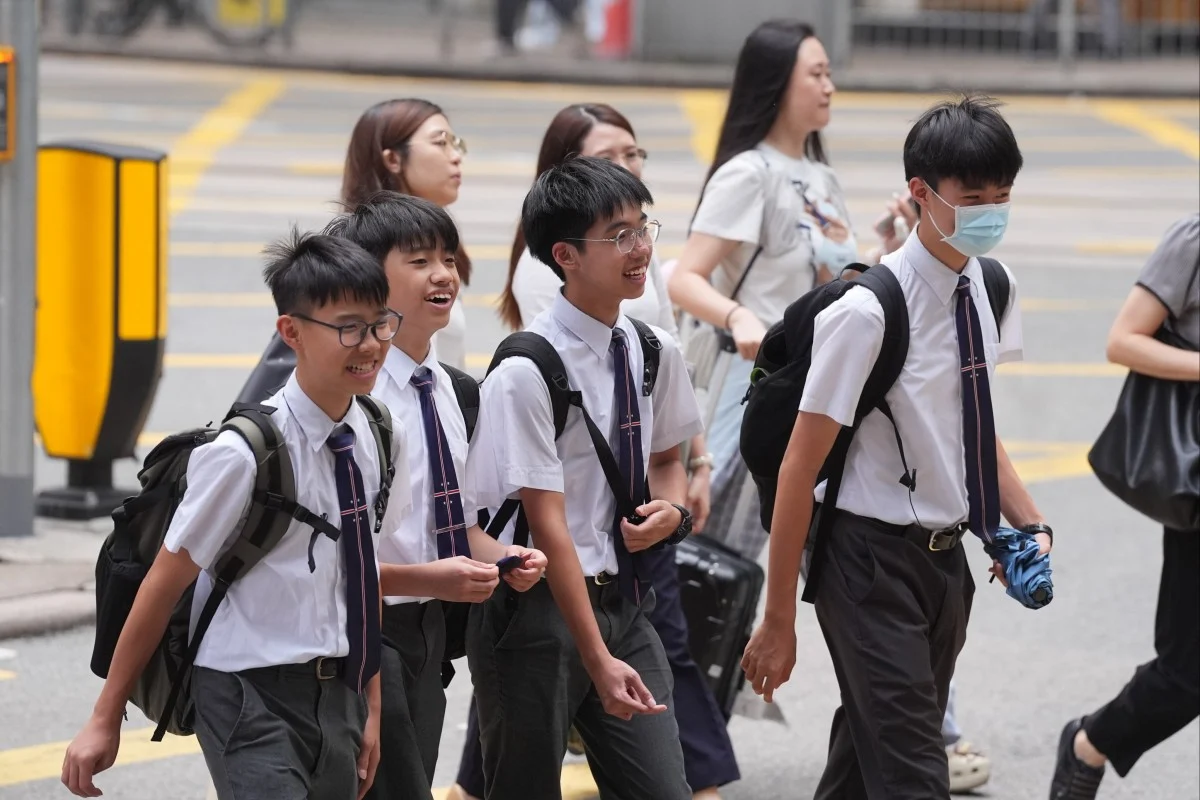
Families in Hong Kong are increasingly choosing summer school programs in Asia instead of traditional destinations in Britain and North America, as rising airfare costs push overseas education plans out of reach for many households.
Education consultants report a sharp drop in applications for UK-based summer schools this year. Demand has fallen by around 35 percent as parents respond to higher travel expenses and overall program costs.
The trend reflects growing financial pressure on families who previously sent children abroad for short-term academic and cultural programs. Many are now reconsidering long-haul travel due to increased airline ticket prices and broader global cost concerns.
According to Samuel Chan Sze-ming, founder of education consultancy Britannia StudyLink, the decline is closely linked to rising airfare prices. He said many parents are now looking for more affordable regional alternatives rather than long-distance destinations.
Chan’s firm works with overseas education programs, particularly in the United Kingdom. He noted that British summer schools have traditionally been popular among Hong Kong families seeking English-language learning environments and international exposure for their children.
However, this year’s cost increases have changed travel decisions significantly. Airfares have risen in part due to global travel disruptions and higher fuel costs linked to geopolitical tensions, including instability in the Middle East.
Education providers have also seen changes in pricing. A typical two-week residential summer camp in the UK now costs around HK$34,800 (US$4,440) in fees alone, with additional travel expenses further increasing the total cost for families.
Industry figures show that this represents an increase of nearly HK$1,960 compared with last year, excluding airfare and living costs. For many households, the combined expense has made overseas programs less accessible.
As a result, more families are shifting their focus to summer school options within Asia. Regional destinations are seen as more cost-effective while still offering structured academic programs and English-language learning opportunities.
Education consultants say Asian programs are becoming increasingly competitive, offering international-style curricula, cultural exchange opportunities, and shorter travel times. These factors make them attractive alternatives for parents seeking value and convenience.
The shift also reflects broader travel trends in the region. Families are becoming more cautious about long-haul travel expenses and are prioritizing programs that reduce both cost and travel time while still providing educational benefits.
Despite the decline in UK applications, education agents say interest in international summer learning remains strong overall. The difference is that families are now more selective about destinations and pricing.
Consultants expect the trend toward Asian-based summer schools to continue if airfare prices remain high. They also suggest that overseas education providers may need to adjust pricing strategies or offer more flexible packages to attract Hong Kong families again.
The change marks a notable shift in long-standing education travel patterns, where Britain and North America were once the dominant destinations for Hong Kong students during the summer break.
