

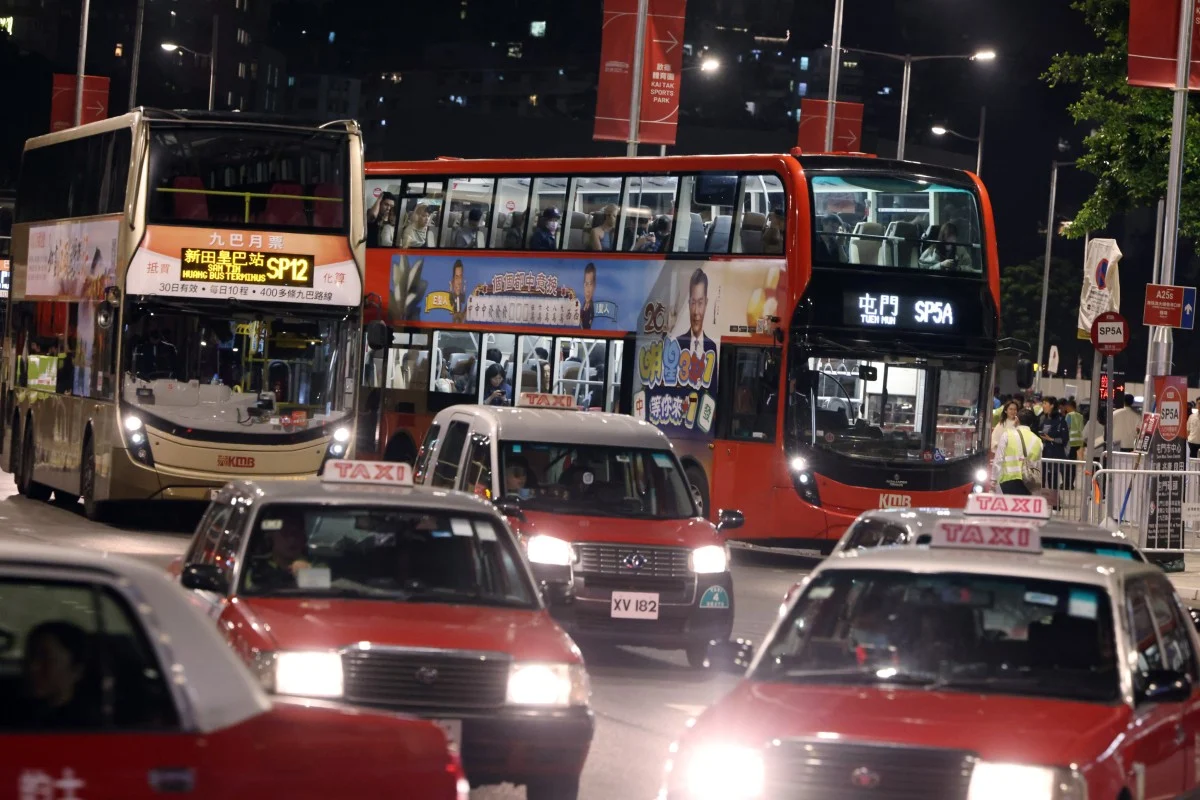
Hong Kong is being urged to expand the use of driver-monitoring technology beyond public buses as part of a wider effort to reduce traffic accidents and improve road safety across the city. The call comes as transport authorities consider new measures to strengthen oversight of driver behavior using advanced technology.
The Hong Kong Driver Monitoring proposal follows a government plan submitted to the Legislative Council, which aims to introduce mandatory monitoring systems in public buses. Officials are also exploring whether the technology could be extended to other types of vehicles in the future.
Industry experts say the initiative could play a key role in reducing road accidents by detecting signs of fatigue, distraction, or unsafe driving behavior in real time. These systems typically use cameras and sensors to track driver attention and alertness, helping prevent potential collisions before they occur.
James Kong, chairman of the Institute of Advanced Motorists Hong Kong, said the government’s current plan is a positive step but should not be limited to public transport. He suggested that driver-monitoring systems could eventually be expanded to include private cars and commercial vehicles as part of a broader road safety strategy.
Transport safety specialists argue that technology alone will not solve all road safety challenges. They say it should be combined with improved road infrastructure, better driver training, and stronger enforcement of traffic regulations to achieve meaningful reductions in accidents.
The Transport Department has confirmed it will conduct a detailed study on the feasibility and cost-effectiveness of expanding driver-monitoring systems. The study will assess how the technology could be integrated into different vehicle categories and how it might be regulated.
Supporters of the initiative say modern driver-assist systems are becoming increasingly important as urban traffic grows more complex. They point out that human error remains one of the leading causes of road accidents, and monitoring systems can help address this issue in real time.
However, some concerns have also been raised about privacy and data use. Critics argue that widespread driver monitoring could raise questions about how personal data is collected, stored, and used, especially if the technology is extended to private vehicles.
Officials have said any expansion of the system would need to balance safety improvements with privacy protections and clear regulatory guidelines. They emphasize that public consultation and further research will be part of the decision-making process.
Hong Kong has been investing in smart transport solutions in recent years as part of its broader push toward digital infrastructure. These efforts include traffic management systems, smart signaling, and vehicle safety technologies designed to improve efficiency and reduce congestion.
Experts say integrating driver-monitoring systems into this wider smart transport framework could significantly improve road safety outcomes. By identifying risky behavior early, authorities hope to reduce accident rates and enhance overall traffic management.
The proposal remains at an early stage, but it reflects a growing global trend toward using artificial intelligence and sensor-based systems in transportation safety. If adopted more widely, Hong Kong’s approach could become a model for other densely populated cities facing similar road safety challenges.
As discussions continue, policymakers will need to weigh the benefits of accident prevention against concerns over cost and privacy. The outcome of the Transport Department’s study is expected to play a key role in shaping the future direction of road safety policy in the city.
