

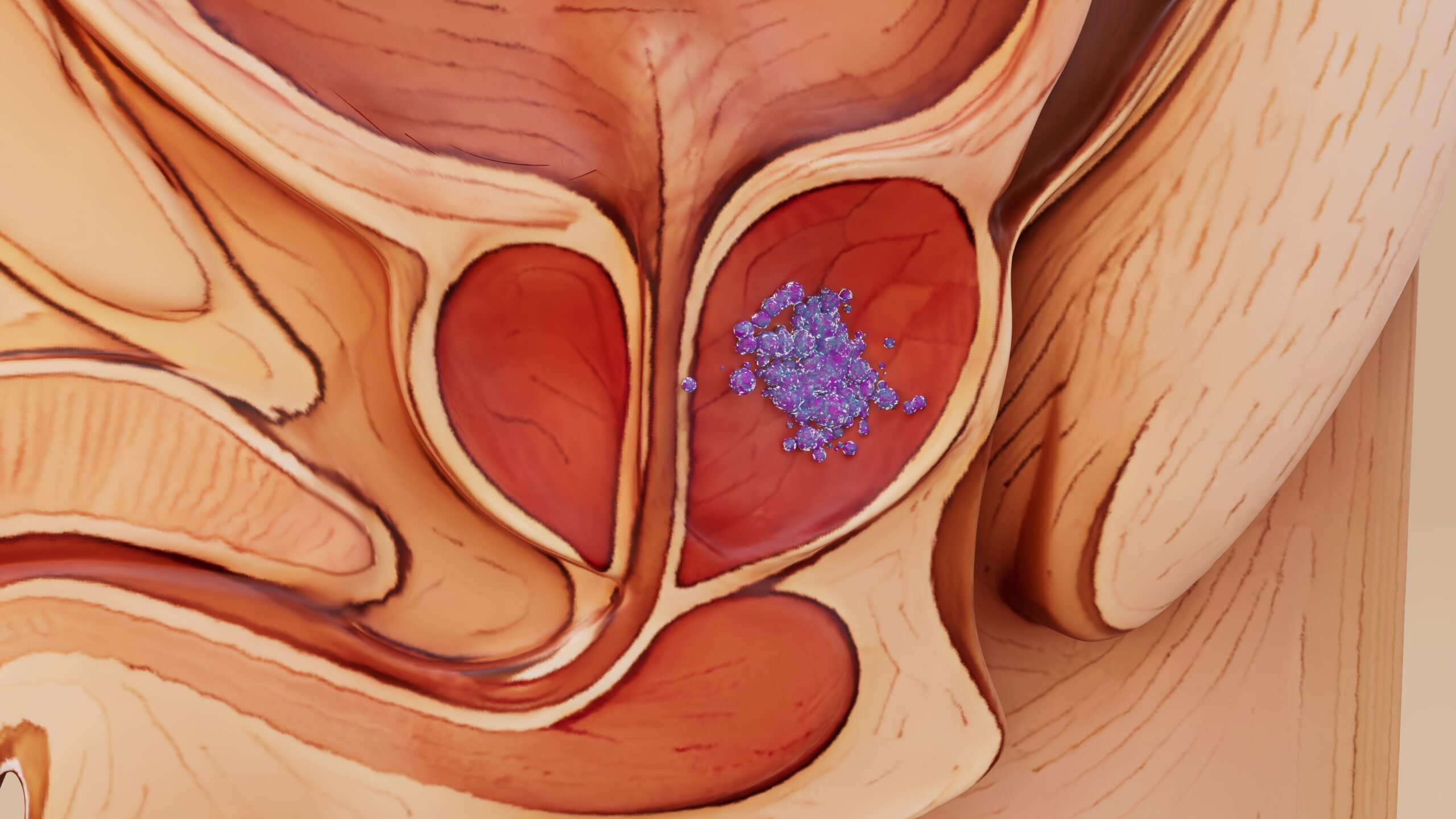
A new immunotherapy drug has produced striking early results in men with advanced prostate cancer.
Researchers say the treatment shrank tumours in several patients and caused mostly mild side effects.
Prostate cancer affects about 1.5 million men worldwide each year.
Many advanced cases stop responding to existing therapies, creating an urgent need for new options.
Scientists tested the experimental drug VIR-5500 in a phase one clinical trial.
The study involved 58 men whose disease had progressed despite other treatments.
Most participants experienced only minor side effects during therapy.
The drug works as a T-cell engager.
It links the body’s killer immune cells directly to cancer cells.
This connection allows the immune system to destroy tumours more effectively.
The treatment activates mainly inside the tumour, which reduces harmful inflammation.
Researchers measured prostate-specific antigen levels to track response.
Among patients receiving the highest dose, most showed major PSA reductions.
Many saw levels fall by at least half, and several recorded drops above ninety percent.
Tumour scans confirmed physical changes in some cases.
Five of eleven men with measurable disease showed clear tumour shrinkage.
One patient with cancer spread to the liver saw multiple lesions disappear completely.
Scientists described the findings as unprecedented for prostate cancer, which usually resists immunotherapy.
They believe this approach could transform treatment if later trials confirm the results.
Independent experts called the data highly encouraging but stressed the need for larger studies.
Future research must also include diverse patient groups to address outcome disparities.
New trials are now being planned.
Researchers hope the therapy will extend survival and improve quality of life for men with advanced disease.
