

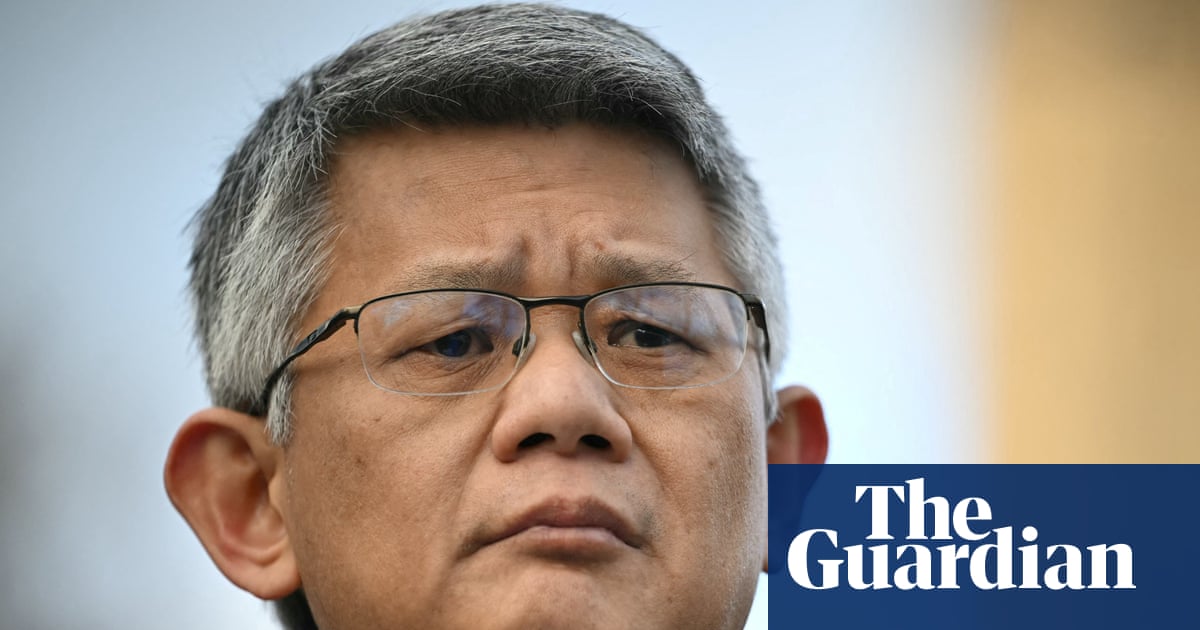
Christopher Mung Siu-tat, a UK-based NGO director, has received multiple retroactive tax bills from Hong Kong authorities after fleeing Beijing’s national security laws. This experience, he states, demonstrates how “The regime can reach me by their long arms wherever I am.” His case exemplifies a worrying trend of transnational repression (TNR) tactics, which now include the weaponisation of financial departments for political ends. Beyond the tax demands, Siu-tat has faced a bounty for his arrest, questioning of relatives, passport cancellation, and even a visit from UK counter-terrorism police concerning his safety, highlighting a multifaceted campaign against dissidents abroad.
These incidents are part of a larger pattern documented in a new report by the China Strategic Risks Institute, which analyses how Beijing employs financial levers to coerce and silence critics overseas. The report emerges amidst reports of a slight thaw in UK-China relations. However, it urges the UK government to formally define economic TNR. This critical step would help prevent politically motivated measures like the freezing of bank accounts, revocation of professional qualifications, and imposition of retrospective tax bills, all designed to materially disadvantage individuals targeted by the Chinese state.
A significant challenge highlighted is the reluctance of financial institutions, both in the UK and Germany, to address economic TNR due to fears of harming their profits in China. This underscores the urgent need for clear legislative definitions. The report also points out potential vulnerabilities within agreements to tackle money laundering, which it warns could be exploited to further economic TNR. A particularly concerning aspect involves Hong Kong’s mandatory provident fund (MPF), where authorities refuse to recognise BNO passports for early pension withdrawals, affecting thousands. Concerns have also been raised regarding HMRC sharing personal details with Chinese authorities. The Chinese embassy dismisses these allegations as “purely unfounded.”
The human cost is exemplified by Xiangui Fang, a former human rights lawyer, compelled to surrender his licence after critically speaking about the decline of rule of law in China. Following an investigation, Fang was informed that failure to cancel his licence would result in the suspension of his entire law firm. He complied, leaving him without work and unable to transfer his qualifications in the UK. Fang states he had “no choice,” arguing such punitive actions are politically motivated. His plight reinforces the urgent call for the UK to implement robust measures to protect dissidents from China’s pervasive economic coercion.
