

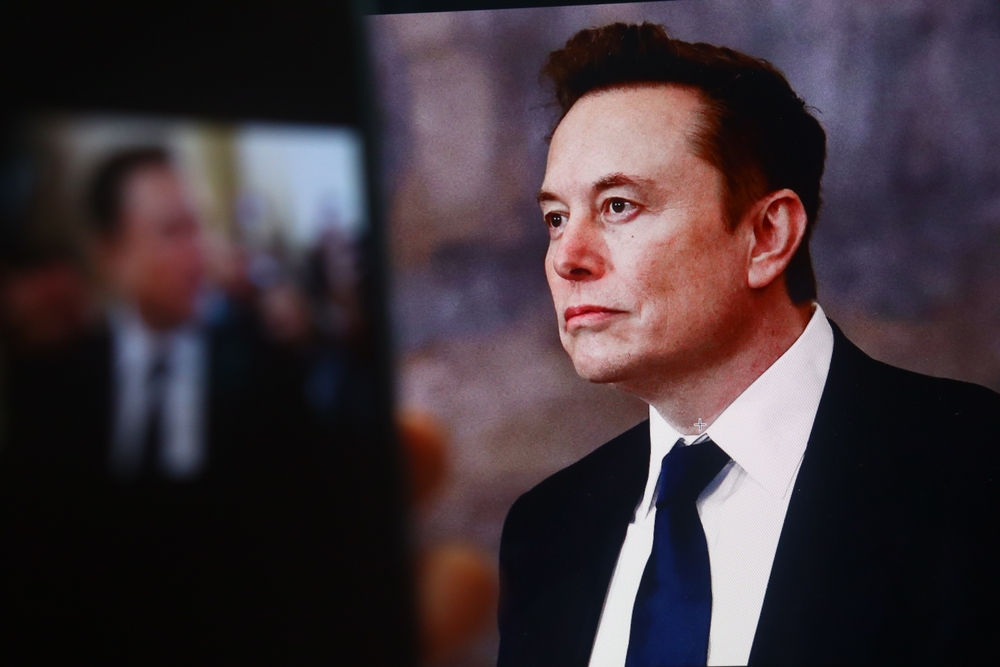
Ahead of Tesla’s annual general meeting on Thursday, the company is delivering one clear message to investors: Elon Musk deserves a $1 trillion reward. The electric carmaker has gone all-in on a campaign to convince shareholders. Digital ads promote the package, and Votetesla.com features board chair Robyn Denholm and director Kathleen Wilson-Thompson praising Musk to the sound of triumphant music. But not everyone agrees. The meeting in Austin, Texas, is shaping up as a vote of confidence—or rejection—of Musk himself. His political statements and controversial decisions have made him one of the most divisive business figures in modern times. Musk has raised the stakes even higher on his own social platform, X, warning that Tesla’s future “could affect the fate of civilization.” He has also shared support from high-profile allies such as Michael Dell, Ark Invest’s Cathie Wood, and his brother Kimbal, who serves on Tesla’s board. “There is no one remotely close to my brother,” Kimbal said admiringly. “Thanks bro ❤️,” Musk replied.
Growing doubts among investors
Many investors see the debate over Musk’s pay as proof Tesla has lost direction. Car sales are slipping, and the firm’s focus seems blurred. “It’s astonishing that a company struggling to sell cars spends money advertising a pay deal,” said Ross Gerber, CEO of Gerber Kawasaki Wealth and Investment Management. He has reduced his Tesla stake and become increasingly critical. “Tesla needs to get back to its roots—selling electric cars,” he said.
The trillion-dollar target
Musk’s proposed deal isn’t a $1tn salary. Instead, it challenges him to lift Tesla’s market value from $1.4tn to $8.5tn. He must also oversee a huge rollout of self-driving “Robotaxi” cars, putting one million into service despite their rocky start. If Musk succeeds, he would earn 423.7 million new shares—worth close to $1tn at the target valuation. Tesla has not responded to media inquiries about its campaign for shareholder support.
This isn’t the first time Musk’s compensation has stirred controversy. Shareholders previously approved a massive package worth tens of billions if he boosted Tesla’s value tenfold. He met that target, but a Delaware judge struck down the deal in 2024, ruling that the board was too close to Musk. The Delaware Supreme Court is now reviewing that decision while Tesla pushes for this even bigger reward.
“Tesla’s strategy is familiar but far from standard,” said Columbia Law professor Dorothy Lund. “They’re hardly a model of corporate governance.” She noted that such intense shareholder campaigns usually appear when activist investors threaten change. “I’ve never seen this kind of mobilization over a compensation package,” she added.
Both Elon and Kimbal Musk will vote this time, increasing the chances of reaching a majority. Musk, already the world’s richest man, became the first half-trillionaire earlier this year.
A board under pressure
Tesla argues it can’t afford to lose Musk. The company says he “uniquely possesses the leadership qualities needed to fulfil its mission.” In a video on Votetesla.com, Wilson-Thompson said the board spent seven months with legal and pay experts designing the package. On a recent earnings call, Musk claimed the real issue wasn’t money but control—he wants enough authority to steer Tesla effectively.
Critics say the board has gone too far. “The board’s role is to protect shareholders, not to campaign for a CEO,” said Yale professor Matthew Kotchen, who co-authored a study measuring damage Musk has done to Tesla’s brand.
Some major institutions share that concern. Proxy advisers Glass Lewis and Institutional Shareholder Services have urged investors to reject the deal, calling it excessive and damaging to shareholder value. Norway’s sovereign wealth fund, the world’s largest, plans to vote no, along with CalPERS, the biggest U.S. public pension fund. New York State Comptroller Thomas DiNapoli has also asked investors to oppose Tesla directors up for re-election, accusing them of failing to ensure “independent oversight and accountability.”
A defining moment for Tesla
With powerful institutions lining up against the deal, Musk may rely on Tesla’s army of small retail investors, who often support him enthusiastically. Morgan Stanley analyst Adam Jonas described Thursday’s vote as one of the “most important moments” in Tesla’s history, warning there’s a “real chance” the package could fail.
Outside the boardroom, Musk faces growing criticism. Protests continue months after his brief and controversial role in Donald Trump’s administration ended in chaos. “It’s hard to imagine Musk quickly repairing the damage to Tesla’s image,” said Kotchen.
Yet supporters still believe in Musk’s unmatched drive. “Musk’s larger-than-life personality has generated more attention for Tesla than almost any other business leader,” said Edmunds’ head of insights, Jessica Caldwell. “He’s more divisive than ever, but many still trust his ability to deliver on bold ideas,” she added.
Now all eyes turn to the shareholders. Will they decide Elon Musk is truly worth one trillion dollars—or say it’s finally too much?
