

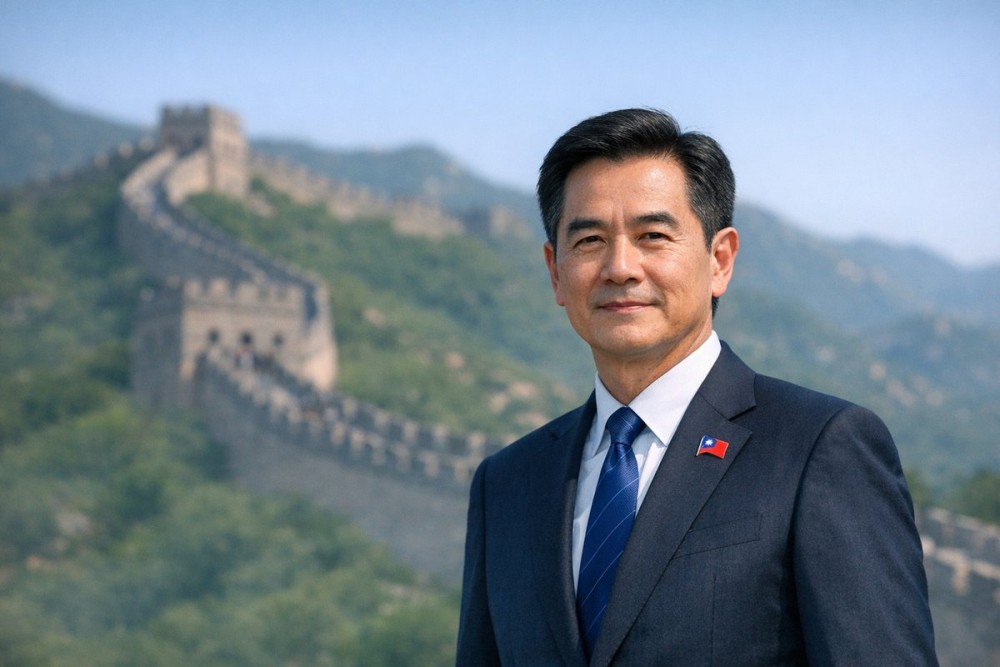
Taiwan’s main opposition leader is set to visit China next month in a move aimed at improving dialogue and cross-strait relations. The Kuomintang (KMT) leader has accepted an invitation from Chinese President Xi Jinping to travel to Beijing and other mainland cities in April.
The visit marks a rare high-level exchange between Taiwan’s opposition and the Chinese government. It comes amid ongoing tensions across the Taiwan Strait, where both sides have sought to balance diplomacy with political differences.
KMT officials said the trip will focus on promoting peaceful communication and reducing misunderstandings. Meetings with Chinese officials are expected to cover economic cooperation, cultural exchange, and strategies to maintain stability in the region.
Political analysts note that Taiwan’s opposition engaging directly with China could influence domestic debates about cross-strait policy. While the KMT has historically favored closer ties with Beijing, its visit will be closely watched in Taipei, where public opinion on China is sensitive.
Experts also say the visit may have broader implications for regional stability. Open communication channels can help prevent miscalculations and encourage diplomatic solutions amid rising security concerns in East Asia.
The planned tour includes stops in major mainland cities. KMT representatives stressed that the goal is not to negotiate formal agreements but to build mutual understanding. They highlighted the importance of dialogue in easing tensions and fostering peaceful interactions.
Taiwan’s government has maintained a cautious stance regarding China, emphasizing sovereignty while encouraging dialogue. The upcoming visit underscores the opposition’s role in exploring alternative diplomatic channels without altering official government policy.
Observers note that previous cross-strait visits by Taiwanese politicians have drawn mixed reactions. Supporters view them as essential for stability and trade, while critics worry about potential political leverage by Beijing. This visit will likely prompt similar discussions across Taiwan’s political landscape.
Internationally, the trip may signal Beijing’s interest in maintaining engagement with Taiwan beyond official government channels. Analysts say such exchanges could influence economic and diplomatic dynamics, as Taiwan plays a key role in global technology and trade networks.
The KMT leader’s visit is expected to last several days, with meetings scheduled to discuss cultural programs, economic initiatives, and shared regional concerns. Organizers emphasize that the trip aims to create constructive dialogue and prevent misunderstandings that could escalate tensions.
China has expressed openness to exchanges that foster stability and peaceful relations with Taiwan. Leaders from both sides hope the visit can strengthen communication and build confidence for future discussions.
This upcoming visit comes at a time when cross-strait relations face multiple challenges. By engaging directly with Chinese officials, Taiwan’s opposition seeks to promote diplomacy, enhance mutual understanding, and support peaceful engagement across the strait.
