

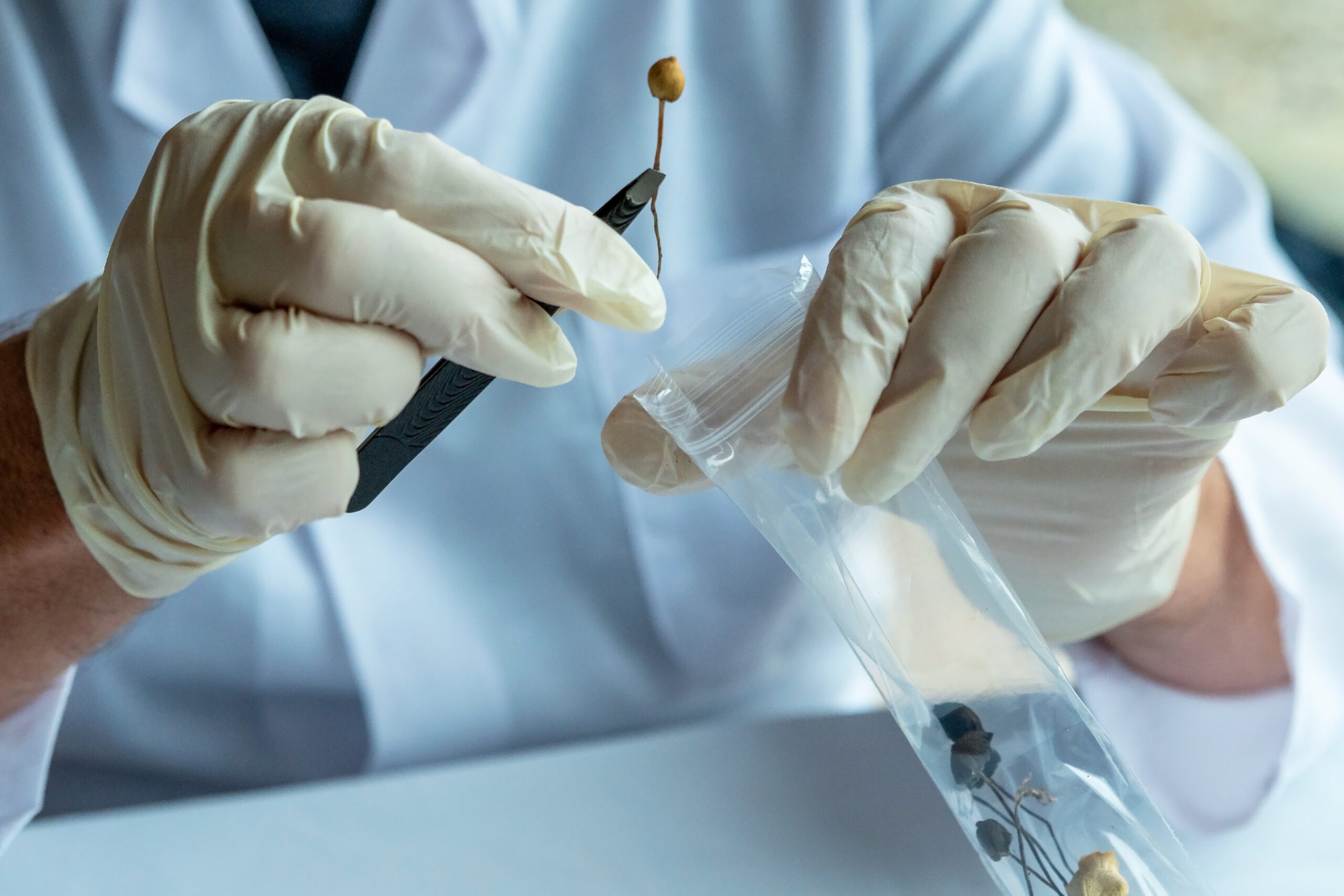
A recent review has highlighted the potential of psychedelic treatments, such as psilocybin, in alleviating obsessive-compulsive disorder (OCD) symptoms, while cannabis, specifically THC and CBD, showed little effectiveness.
Led by Dr. Michael Van Ameringen, psychiatry professor at McMaster University, the review examined alternative treatments for OCD, a condition that often doesn’t respond well to standard therapies like SSRIs and cognitive behavioral therapy. The review, published in The Journal of Psychiatric Research, analyzed available evidence and concluded that psychedelics, especially psilocybin from “magic mushrooms,” offered a more promising treatment option for OCD patients than cannabinoids.
Dr. Van Ameringen speculated that the difference in efficacy stems from how each substance interacts with brain areas involved in OCD. Cannabis activates CB1 receptors, helping manage symptoms like anxiety and compulsions, but it fails to provide lasting relief. Psilocybin, on the other hand, affects the brain’s default mode network, which is overly active in people with OCD and linked to rumination and self-referential thinking.
The review also touched on the methods used in clinical trials for both substances. Psychedelic trials, such as those led by Dr. Mohamed Sherif at Brown University, involve not just the medication but the patient’s therapeutic journey, encouraging them to confront their OCD in a deeper way. This contrasts with cannabis trials, which tend to focus on short-term relief rather than lasting changes in brain activity or perception.
Preliminary results from ongoing trials also suggest that psilocybin helps patients with OCD not only improve symptoms but also gain insights into their compulsive behaviors. Dr. Terrence Ching from Yale School of Medicine, who conducted one such trial, noted that psilocybin induced partial mystical experiences, which helped participants confront their fears and the need for control, a core feature of OCD.
Despite the promise shown in psychedelic treatments, obstacles remain, particularly the legal status of psilocybin, which is still classified as a Schedule I substance in the U.S. This classification hinders research and complicates trial procedures. Additionally, the hype around psychedelics can skew participants’ expectations, highlighting the need for rigorous, controlled studies. Dr. Ching emphasized the importance of approaching psychedelic treatment seriously and ethically, acknowledging the wisdom of traditional Indigenous practices while adhering to modern scientific standards.
While the research is still in its early stages, these findings offer hope for patients with OCD who have struggled with traditional treatments. However, researchers stress that more studies are needed to fully understand the potential of psychedelics in treating this complex disorder.
