

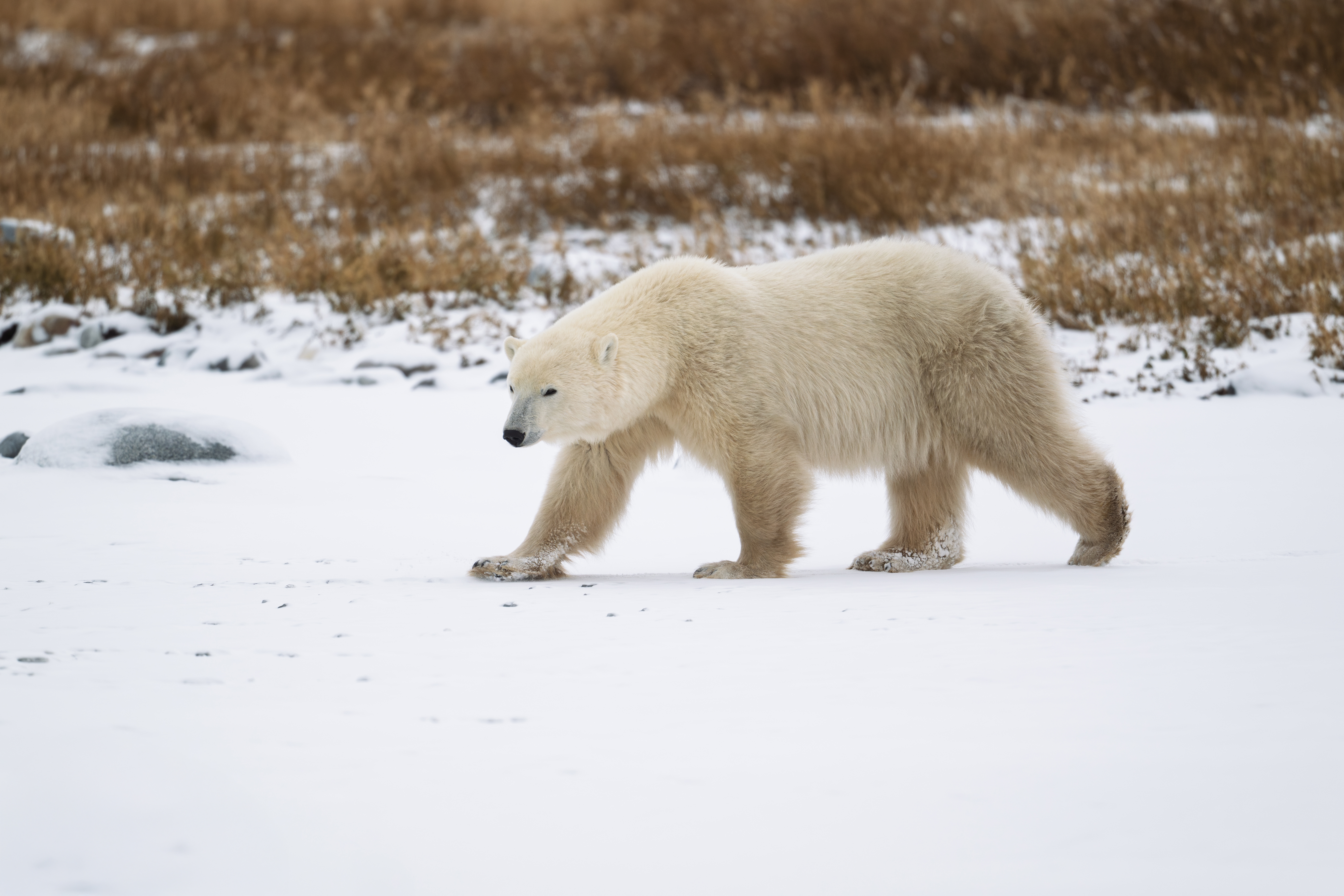
Scientists have identified genetic changes in polar bears that could help them cope with rising temperatures, offering new insight into how the species might respond to climate breakdown.
Researchers from the University of East Anglia found that polar bears in south-east Greenland show different DNA activity compared with bears in colder northern regions. The study focused on so-called “jumping genes” – mobile pieces of DNA that can influence how other genes function. These genes were far more active in bears living in warmer, more variable conditions.
By comparing blood samples from bears in two Greenland regions with local climate data, scientists discovered that higher temperatures were linked to increased activity in genes associated with heat stress, ageing and metabolism. The findings suggest polar bears in warmer areas may be undergoing rapid genetic adjustments as sea ice declines and food sources change.
Bears in south-east Greenland also appear to be adapting to different diets, relying less on fatty seals and more on varied, sometimes plant-based food, with corresponding genetic changes linked to fat processing and energy use.
The study, published in Mobile DNA, is believed to be the first to show a statistically significant link between rising temperatures and DNA changes in a wild mammal. Researchers say the results could help identify which polar bear populations are most at risk and guide conservation efforts.
Despite the findings offering some hope, scientists stressed that polar bears remain under severe threat, with climate action still essential to prevent further habitat loss and population decline.
