

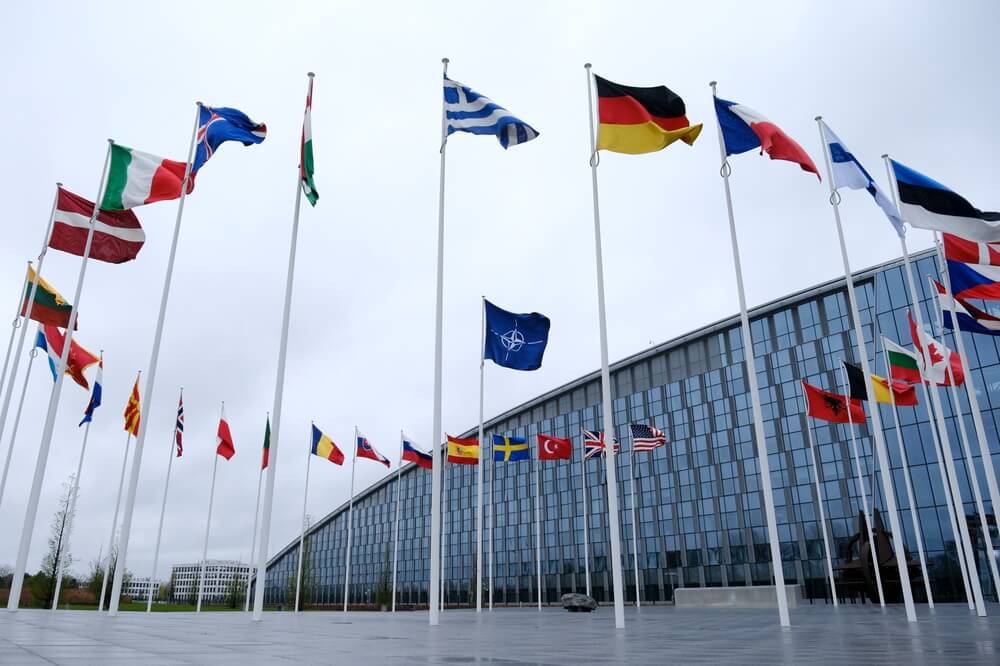
US and European defence ministers signalled agreement this week that NATO must evolve to meet future challenges — but their motivations for doing so may not fully align. While Washington seeks to redirect focus to other global regions, many European leaders see the move as a chance to strengthen their own security amid an unpredictable US administration.
US Under Secretary of War Eldridge Colby described the vision as “NATO 3.0,” calling on European allies to assume primary responsibility for the continent’s conventional defence. “Europe should field the preponderance of forces required to deter and, if necessary, defeat conventional aggression in Europe,” Colby said during the Brussels meeting.
A Shift in Mindset and Spending
The push for greater European responsibility is not new. For years, the US has urged allies to increase defence spending, citing a strategic pivot toward the Indo-Pacific. This time, however, European ministers seemed ready not just to listen but to demonstrate progress.
NATO Secretary General Mark Rutte called the gathering “one of the most pivotal meetings” he has attended, highlighting a “real shift in mindset” and a growing unity of vision. Several countries, including Denmark, Estonia, Latvia, Lithuania, and Poland, have already exceeded the new target of spending 3.5% of GDP on defence annually — a decade ahead of schedule. The benchmark was introduced amid doubts about US commitment to NATO’s collective defence obligations, particularly during the Trump administration.
Europe Steps Up
European leaders emphasized the need to take on more responsibility. German Defence Minister Boris Pistorius said the US has carried the bulk of the burden for European defence, and it is now time for Europeans to gradually assume a larger role. French and Romanian officials echoed the sentiment, calling for increased investment in defence production and stronger European capability to safeguard the continent.
Ruben Brekelmans of the Netherlands stressed a “no-surprise policy” with the US, ensuring any American drawdown is balanced by a European ramp-up. Recent moves, such as the US decision not to replace an infantry brigade in Romania, signal the start of a gradual rebalancing.
Command Structure and the Transatlantic Bond
Europe has also taken on more leadership roles within NATO’s command structure, though the US maintains key positions, including Allied Land, Air, and Maritime Commands. Rutte stressed that the Supreme Allied Commander Europe should remain American, guaranteeing a continued strong US presence while allowing Europe to shoulder more operational responsibility.
The approach reflects a practical division of labour: Europe strengthens its conventional forces, while the US maintains strategic leadership and influence. As NATO adapts to shifting global priorities and political realities, both sides appear committed to keeping the alliance robust and united — even as Europe increasingly steps into the spotlight.
