

Renewed Proposal for a European Deterrent
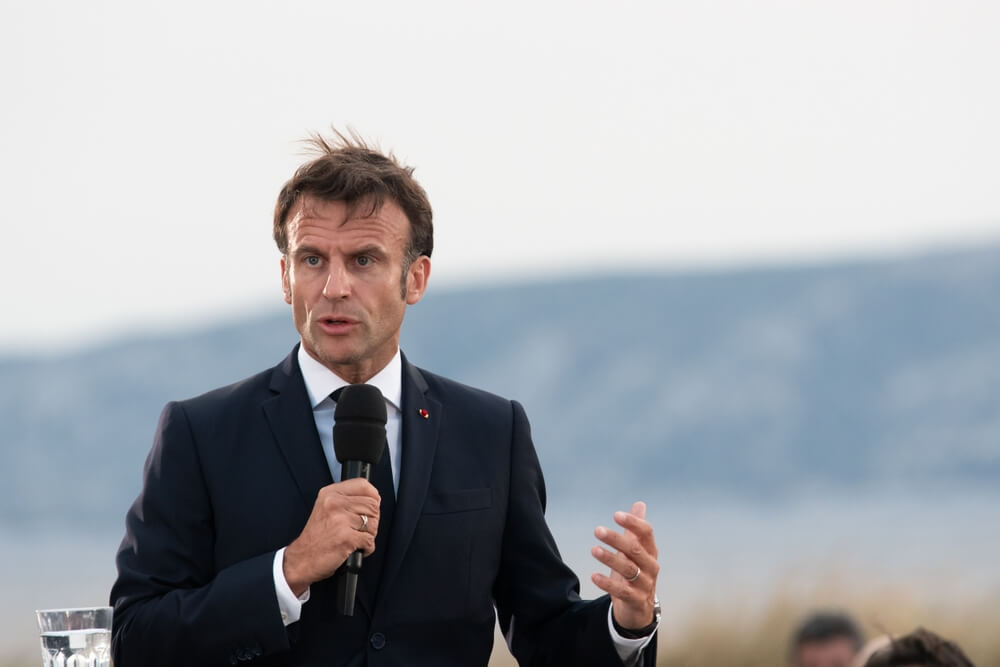
President Emmanuel Macron is set to outline France’s plans to expand its nuclear deterrent to support European partners. While a similar offer in 2020 went largely unnoticed, changing global security dynamics have renewed interest. Speaking from the Île Longue peninsula — home to France’s four nuclear-powered ballistic missile submarines — Macron is expected to stress that France’s initiative would complement, not compete with, the protection provided by the United States.
Since his 2020 address, Macron has engaged in “strategic dialogue” with German Chancellor Friedrich Merz and other EU leaders to explore how France’s nuclear doctrine could integrate with European defense efforts. Sources say the upcoming speech could signal “significant shifts and developments” in France’s role on the continent.
Rising European Interest Amid Global Tensions
European interest in a broader French nuclear role has grown in response to geopolitical upheavals, including Russia’s invasion of Ukraine and the return of Donald Trump to power. The war in Ukraine exposed Europe’s vulnerabilities, while U.S. policy shifts have left some leaders questioning America’s long-term security commitments.
Recent incidents, such as Trump’s threats toward Denmark over Greenland, have intensified those concerns, even as European officials reaffirm NATO’s value. At the same time, the U.S. plans to pivot troops and equipment toward the Indo-Pacific, leaving uncertainty about its future European presence. French officials argue that developments in Russia, China, and the Middle East make this an opportune moment to explore greater nuclear cooperation among European allies.
Strict Sufficiency and Franco-British Cooperation
France’s nuclear policy follows a “strict sufficiency” principle, maintaining roughly 300 warheads — far fewer than the U.S. or Russia — enough to deliver unacceptable damage without fueling an arms race. A French source emphasized that Paris rejects nuclear conflict and is not seeking competition with the larger arsenals of global powers.
Meanwhile, France and the UK have strengthened nuclear collaboration through the Northwood Declaration, establishing a Nuclear Steering Group and participating in joint exercises. Macron’s speech is expected to reaffirm this cooperation while presenting France as a key player in bolstering Europe’s nuclear deterrence.
