

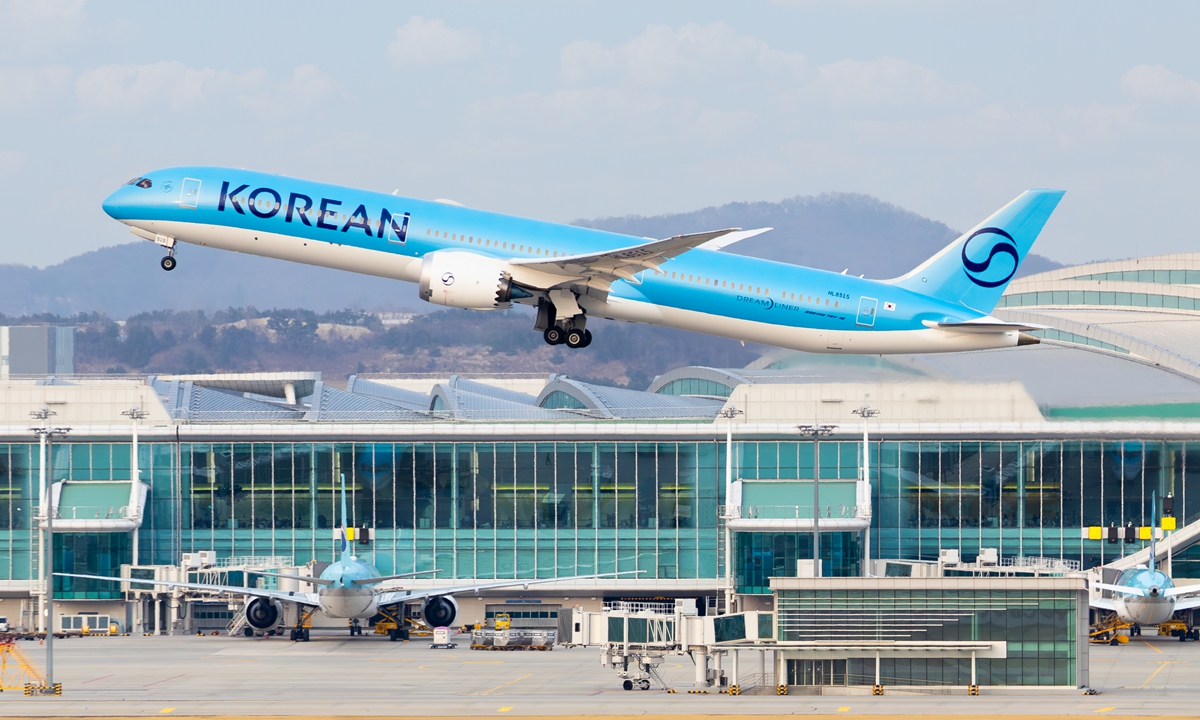
Korean Air is reporting a significant surge in passenger numbers between South Korea and China, marking one of its strongest periods of travel growth in recent years. Government support and easing travel restrictions have helped boost tourism in both directions.
Officials say the increase reflects renewed interest in cultural exchanges, business travel, and leisure tourism. More flights and streamlined travel policies have made it easier for passengers to plan trips between the two countries.
Travel analysts note that the surge benefits local economies on both sides. Hotels, restaurants, transport services, and attractions see higher demand as travelers spend on accommodations, dining, and leisure activities.
Korean Air has expanded its flight schedules to meet growing demand. More frequent services and additional routes provide convenient options for both business and leisure travelers, strengthening connectivity between major cities.
Government initiatives have also supported the rebound. Policies promoting safe travel, visa facilitation, and tourism campaigns have encouraged both inbound Chinese tourists and outbound South Korean travelers.
Industry experts highlight that the China-South Korea travel corridor is a major contributor to regional tourism. As travel confidence returns, passenger numbers are expected to continue growing, especially during peak holiday periods.
Tour operators report strong bookings for cultural tours, shopping trips, and leisure activities. Both countries are capitalizing on historical ties, popular attractions, and scenic destinations to attract travelers.
The increase in travel also helps airline revenues. Higher passenger loads improve profitability while supporting airline jobs, airport services, and related industries.
Social media and digital marketing have amplified the trend. Online travel guides, destination reviews, and promotional campaigns have inspired tourists to explore cities, cultural sites, and shopping districts in both countries.
Korean Air executives say the airline remains committed to expanding its services, ensuring safety, and providing quality travel experiences. The goal is to sustain growth while supporting tourism infrastructure on both sides of the border.
Analysts predict that China-South Korea travel will continue to thrive. Easing restrictions, promotional efforts, and convenient flight options make the region increasingly attractive to international tourists.
The airline’s record performance underscores how strategic partnerships, government support, and improved connectivity can drive international tourism. Travelers benefit from easier access, and local economies gain from increased spending.
Korean Air’s growth in the China-South Korea corridor demonstrates the ongoing recovery and expansion of regional tourism, signaling strong prospects for the travel industry in East Asia.
