

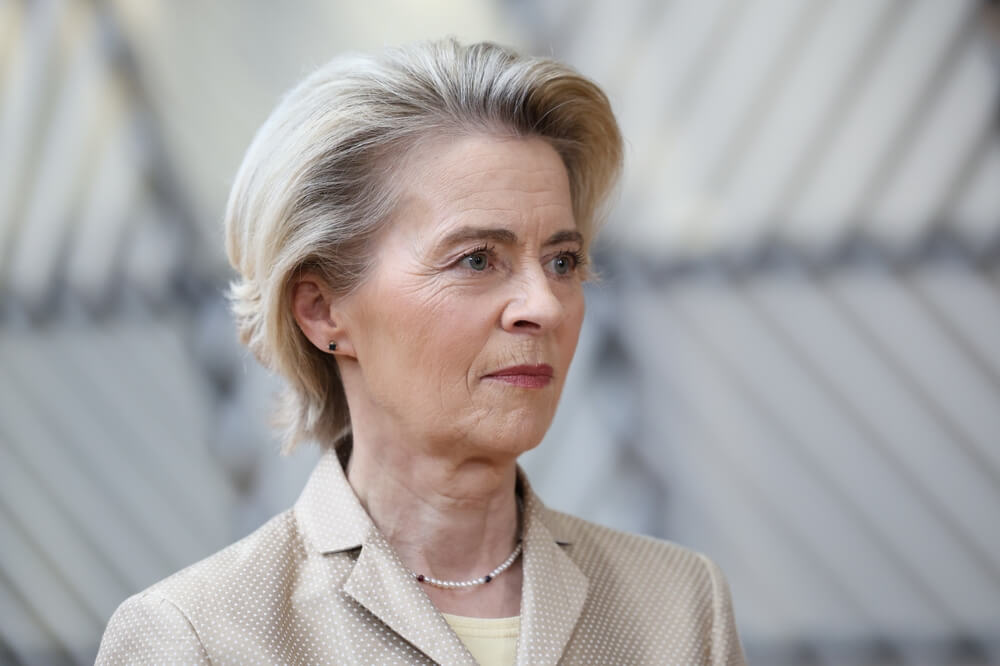
German Chancellor Friedrich Merz is taking a leading role in promoting free trade, backing both the recent Mercosur agreement and a potential EU-India trade deal. His comments come as Europe seeks to diversify its economic partners amid rising global protectionism.
Merz Urges Quick EU-India Agreement
Speaking in India on Monday, Merz said European Commission President Ursula von der Leyen and European Council President Antonio Costa could sign a free trade deal with New Delhi by the end of the month. The remarks follow last week’s approval of the Mercosur agreement by EU member states, a pact Germany strongly supports to reduce dependence on the US and China, both of which have pursued increasingly nationalist trade policies.
Merz described India as “the fastest-growing economy of the G20” and a “pivotal partner in the Indo-Pacific.” He expressed concern about a resurgence of protectionism worldwide and emphasized that EU leaders were ready to take a major step forward to finalize the deal. The idea of an EU-India summit by late January had been discussed in Brussels, though earlier plans to seal a deal by the end of 2025 fell through.
Tough Talks and Sustainability Challenges
Negotiations between India and the EU have faced challenges, particularly over sustainability measures. EU officials told lawmakers last September that disputes remain around green standards and the introduction of a dispute settlement mechanism. India has also expressed concerns about the EU’s Carbon Border Adjustment Mechanism, introduced in 2023, which could affect imports from the country.
Despite these hurdles, Merz said he is confident the talks are in their final stretch, calling a completed agreement “an encouraging sign” for the EU’s broader free trade agenda. India’s Commerce Minister, Piyush Goyal, recently traveled to Brussels for high-level talks with EU trade chief Maroš Šefčovič, who previously described Indian negotiators as “tough.”
French Political Fallout from EU Trade Policy
While Germany pushes forward, the EU’s trade agenda is stirring tensions in France, Europe’s second-largest economy. Paris opposed the Mercosur agreement, citing concerns that Latin American agricultural imports could threaten French farmers’ livelihoods.
With European Commission President von der Leyen scheduled to travel to Paraguay on 17 January to sign the Mercosur deal, political pressure in France is mounting. Both far-left and far-right parties are calling for a no-confidence vote against President Emmanuel Macron, highlighting the domestic fallout from EU trade diversification efforts.
As Europe navigates these complex negotiations, the balancing act between economic expansion, sustainability, and domestic politics remains a major challenge.
